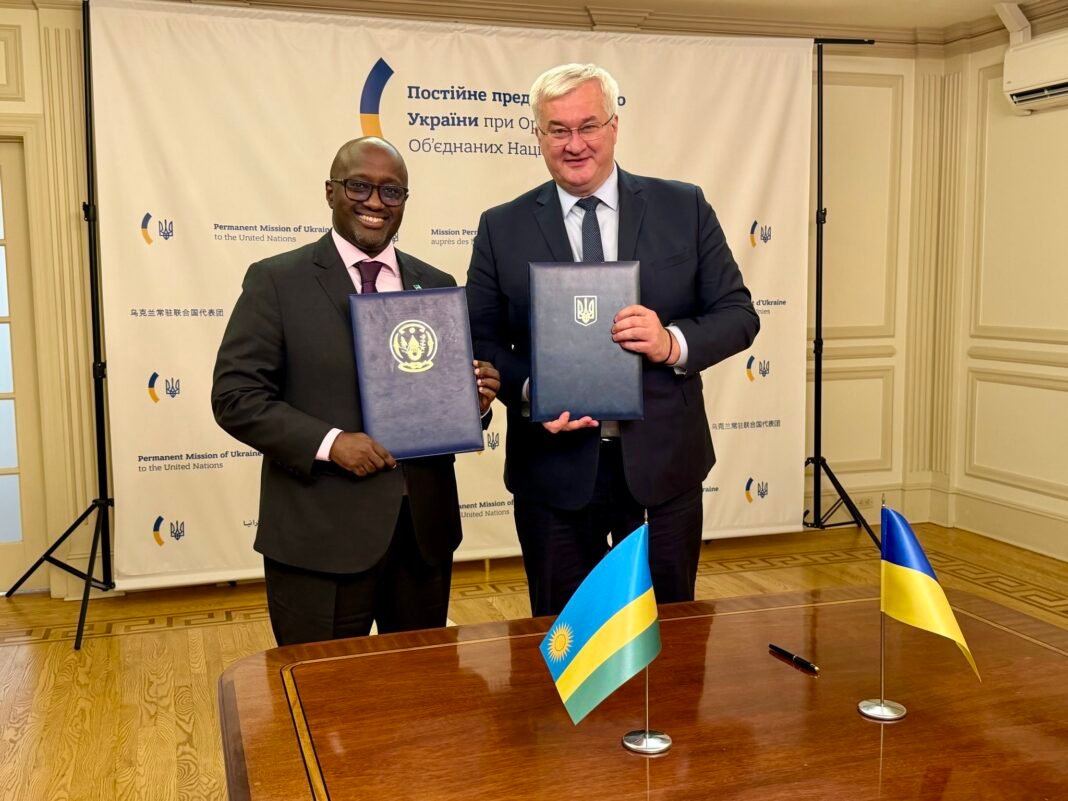
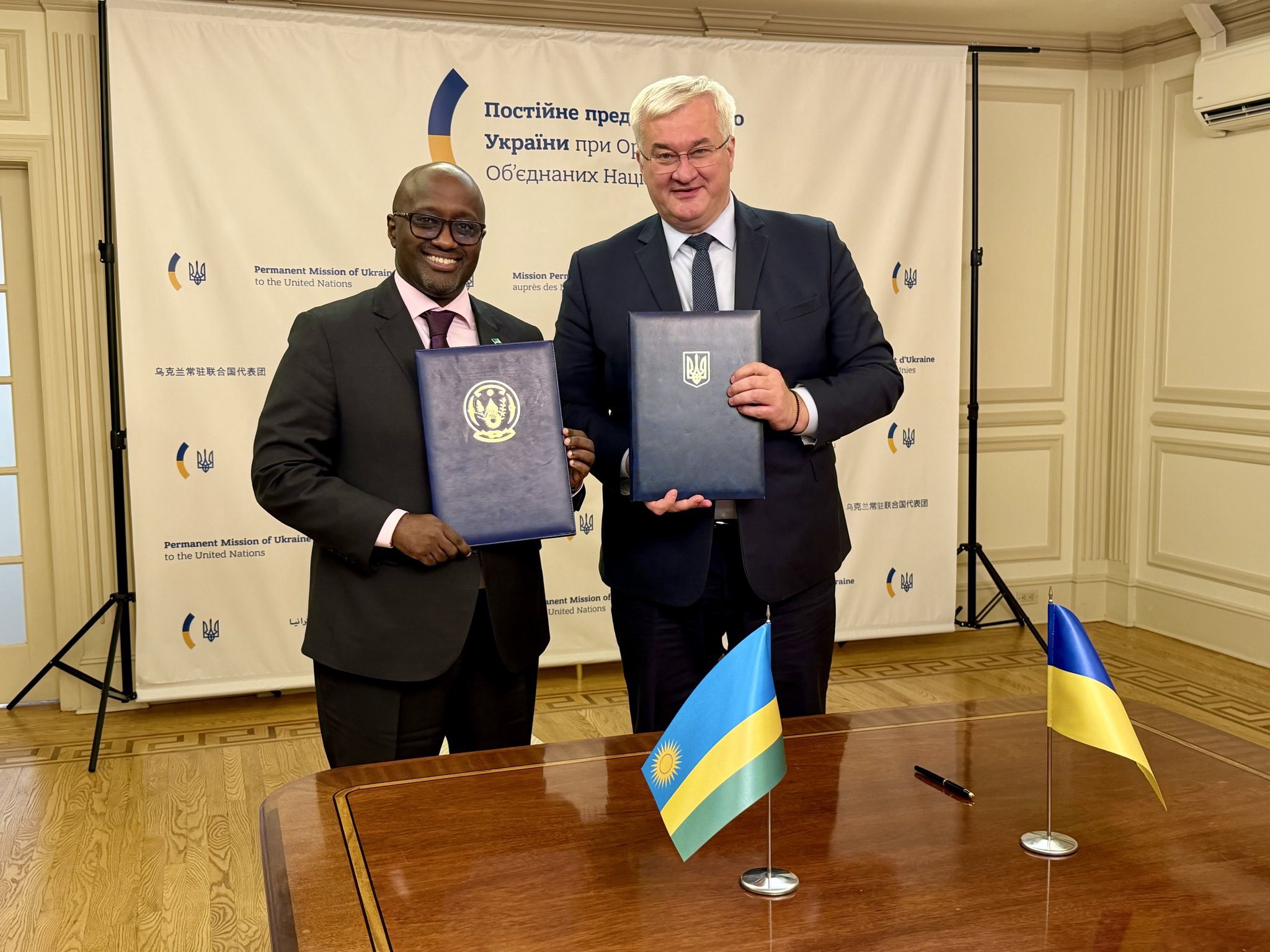
In a published statement ahead of the visit, The signing of an agreement on mutual visa exemption between Rwanda and Ukraine, announced on September 23, 2026, represents a further expansion of diplomatic engagement for the Rwandan government. This agreement, formalized on the margins of the 81st Session of the United Nations General Assembly (UNGA81), highlights a shift in Rwanda’s foreign policy focus, as evidenced by a series of recent agreements signed during the same event. The statement does not mention the specific volume of travel anticipated as a result.
Background
Rwanda’s Minister of Foreign Affairs and International Cooperation, Olivier J.P. Nduhungirehe, has been actively engaged in a series of meetings during UNGA81. These meetings, detailed in a series of press releases issued by the Ministry of Foreign Affairs and International Cooperation, have primarily focused on strengthening bilateral ties with a range of nations. Prior to this agreement, Rwanda had already signed general cooperation agreements with Armenia, Nepal and Uruguay on the same day. The ministry’s activity during the assembly reflects a prioritization of leveraging international forums to advance its diplomatic objectives. The statement does not address the specific motivations driving these engagements.
Analysis
The agreement on mutual visa exemption, while seemingly procedural, signals a deliberate effort by Rwanda to broaden its diplomatic network. The signing occurs alongside other agreements, including those with Armenia, Nepal and Uruguay, suggesting a strategic approach to diversification. This diplomatic activity is consistent with the ministry’s ongoing efforts to foster cooperation across multiple sectors. The agreement further underscores Rwanda’s commitment to engaging with nations across the globe. The statement does not mention any specific conditions or benefits associated with the visa exemption. The pursuit of this agreement, alongside other agreements signed during the same period, indicates a prioritization of diplomatic engagement.
Implications
For Rwanda, the mutual visa exemption agreement potentially facilitates increased trade and investment opportunities with Ukraine, as well as fostering greater cultural and academic exchange. Should the visit yield further opportunities for collaboration, it could strengthen Rwanda’s position within international organizations. The agreement also supports Rwanda’s broader efforts to integrate itself into global trade networks. The statement does not address the potential impact on Ukrainian tourism or the logistical considerations associated with implementing the agreement.
Outlook
If the visit yields further opportunities for collaboration, the agreement on mutual visa exemption could lead to increased diplomatic activity between the two nations. Should the agreement be fully implemented as described, it would simplify travel for government officials and business representatives. The continued engagement with Ukraine, alongside other nations, suggests a long-term strategy for Rwanda’s foreign policy. The statement does not address potential challenges or concerns related to the implementation of the agreement.
Conclusion
The signing of this agreement on mutual visa exemption reflects Rwanda’s ongoing efforts to expand its diplomatic footprint. The question remains as to whether this incremental step will translate into substantive cooperation with Ukraine and other nations with whom it engages.
Sources & Further Reading
- Official press release
- Foreign ministry source
- Rwanda and Armenia sign Agreement on mutual visa exemption (Unknown Da)
- Rwanda and Nepal Sign General Cooperation Agreement (Unknown Da)
- Rwanda and Uruguay Sign General Cooperation Agreement (Unknown Da)
- Oman: Minister meets Egyptian counterpart in New York (Thu, 24 Se)