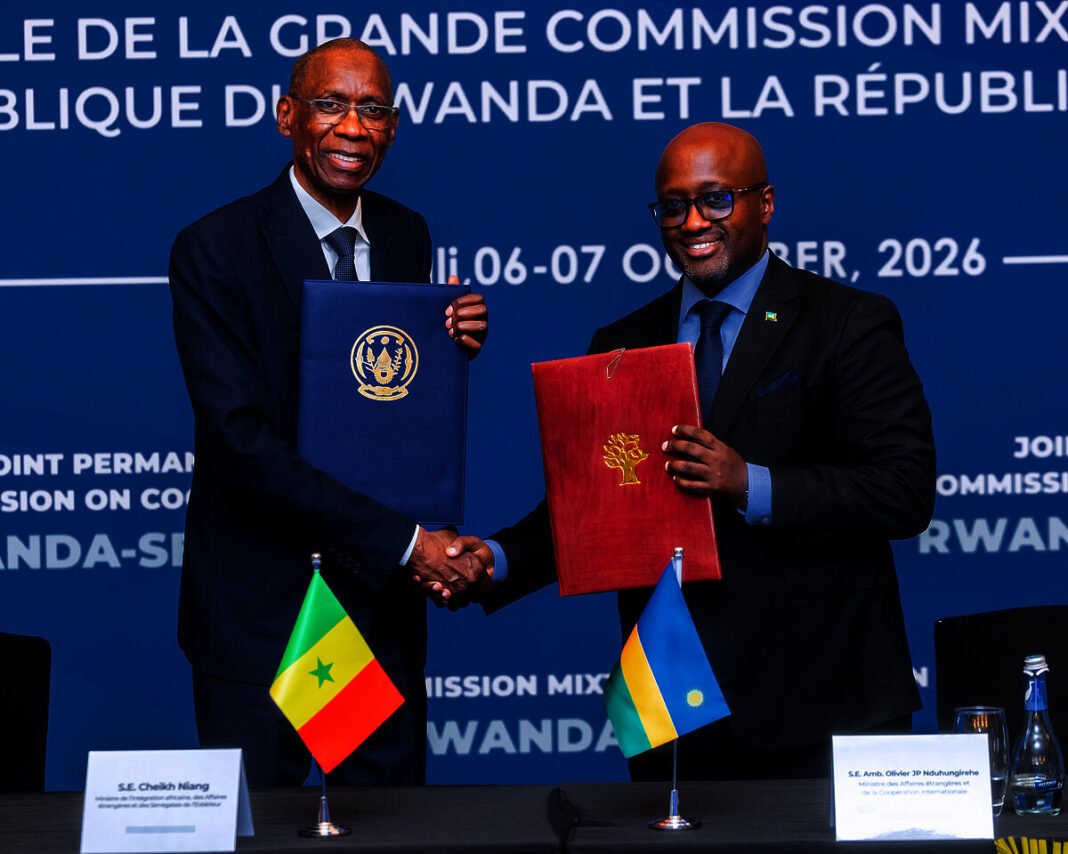
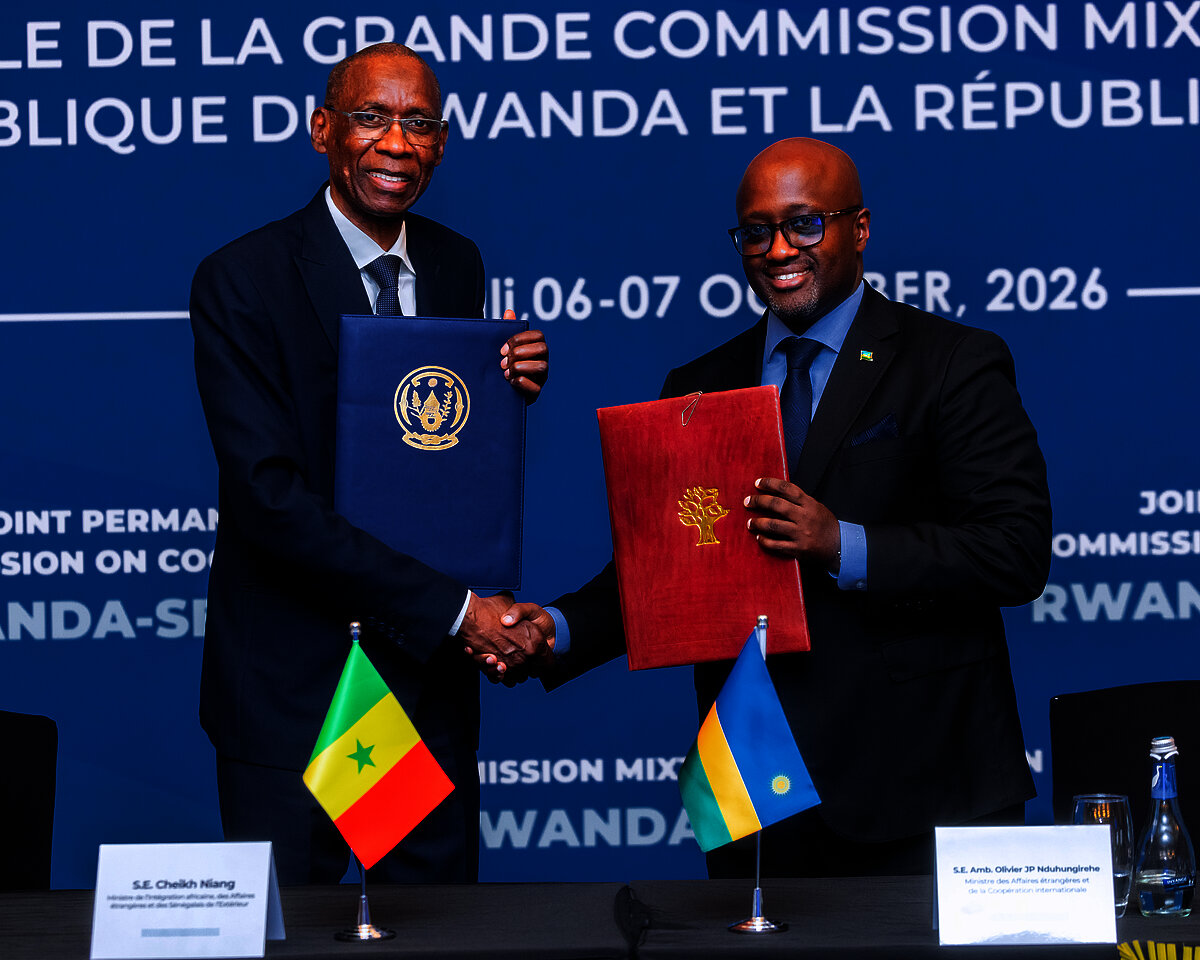
As set out in a formal announcement, The signing of 11 bilateral instruments between Rwanda and Senegal, announced on October 7, 2026, represents a deliberate deepening of diplomatic relations between the two nations. This event, formalized through an inaugural Joint Permanent Commission for Cooperation (JPCC), highlights a strategic prioritization of cooperation across a range of sectors—a move that underscores Rwanda’s ongoing efforts to diversify its partnerships within the African continent. The fact that the statement does not mention the underlying rationale for this intensified engagement – beyond a general commitment to “further strengthening bilateral relations” – suggests a calculated approach to bolstering economic and political influence.
Background
The establishment of the JPCC reflects a trajectory of increased diplomatic activity from the Rwandan Ministry of Foreign Affairs and International Cooperation. Previous statements, including the signing of agreements with Togo and Kenya in September and October 2026 respectively – as detailed in the ministry archive – demonstrate a consistent pattern of engagement with regional and international partners. This initiative follows a technical session co-chaired by Rwandan Ambassador to Senegal, Festus Bizimana, and Senegal’s Ambassador to Rwanda, Doudou Sow, indicating a structured process for reviewing existing cooperation and identifying new opportunities. The statement does not address the specific history of bilateral relations between Rwanda and Senegal prior to 2026.
Analysis
The signing of these 11 instruments suggests a strategic alignment of interests between Rwanda and Senegal. The inclusion of political consultations, ICT, tourism, youth, and culture and arts highlights a broad approach to cooperation – a deliberate attempt to foster interconnectedness across key sectors. The MoU between the Rwanda Development Board (RDB) and Senegal’s investment promotion agency (APIX) is particularly noteworthy, signaling a proactive effort to attract foreign investment. The statement does not mention the potential motivations driving Senegal’s participation, nor does it detail the specific mechanisms for implementing these agreements. The inclusion of mutual legal assistance in criminal matters and extradition procedures indicates a shared commitment to security cooperation, though the statement does not elaborate on the scope of this collaboration. The fact that the ministerial session followed a technical session suggests a pragmatic, step-by-step approach to building a stronger partnership.
Implications
This expanded bilateral cooperation has implications for regional stability, particularly within the Central African region. Increased engagement between Rwanda and Senegal could contribute to greater economic integration and potentially enhance the influence of both nations in regional forums. The agreement to establish a general framework for cooperation between APIX-S.A. and RDB could attract investment in key sectors within Senegal, contributing to economic growth. The statement does not address the potential impact on existing trade relationships or the broader geopolitical landscape. Should the visit yield concrete investment agreements, it would represent a significant step in bolstering Senegal’s economy.
Outlook
If the JPCC proves effective in facilitating tangible outcomes, Rwanda and Senegal could establish a model for regional cooperation. Should the investment MoU between RDB and APIX-S.A. be successfully implemented, it would demonstrate a commitment to economic partnership. However, the success of the JPCC hinges on the willingness of both parties to overcome potential obstacles – the statement does not address the potential challenges related to differing regulatory environments or bureaucratic hurdles. The signing of the instruments, alone, does not guarantee sustained cooperation; ongoing dialogue and commitment are essential.
Conclusion
The signing of these 11 instruments establishes a new framework for Rwanda and Senegal’s relationship, but the true test lies in the subsequent implementation. The focus remains on translating these agreements into concrete outcomes – a process that demands sustained political will and effective collaboration on both sides. The question remains: will this intensified engagement ultimately contribute to a more stable and prosperous Central Africa, or simply reflect a shifting geopolitical calculus?