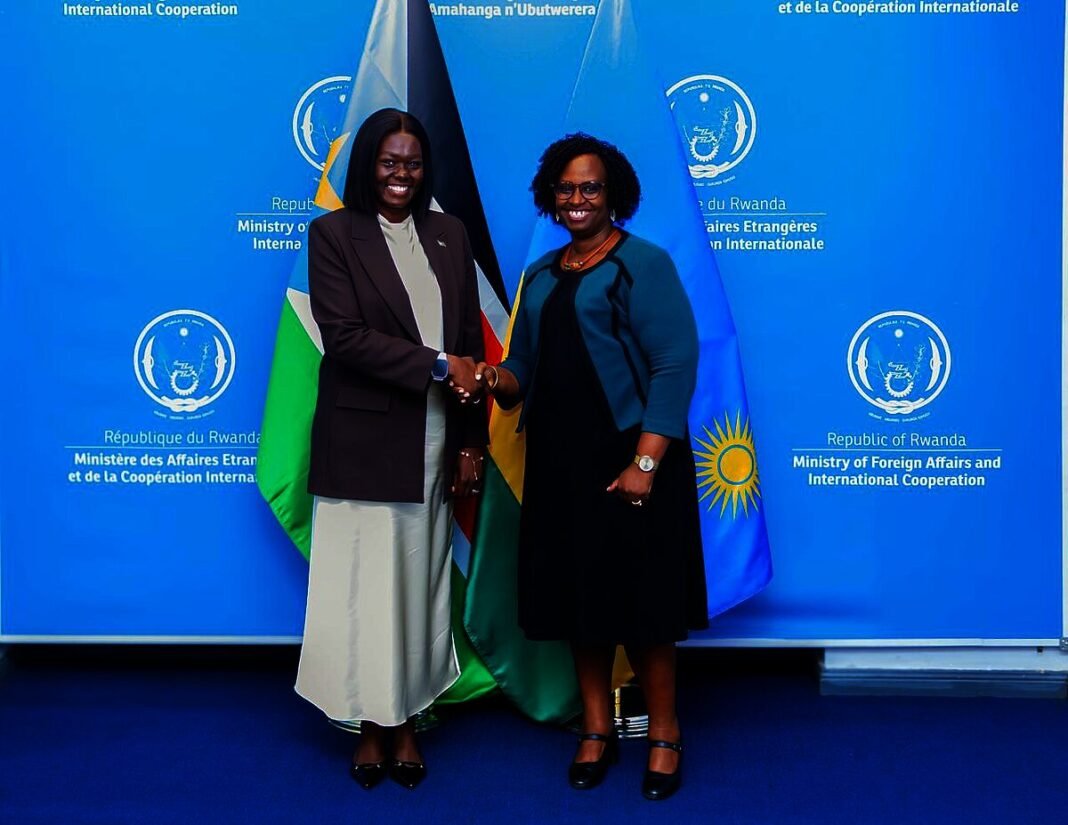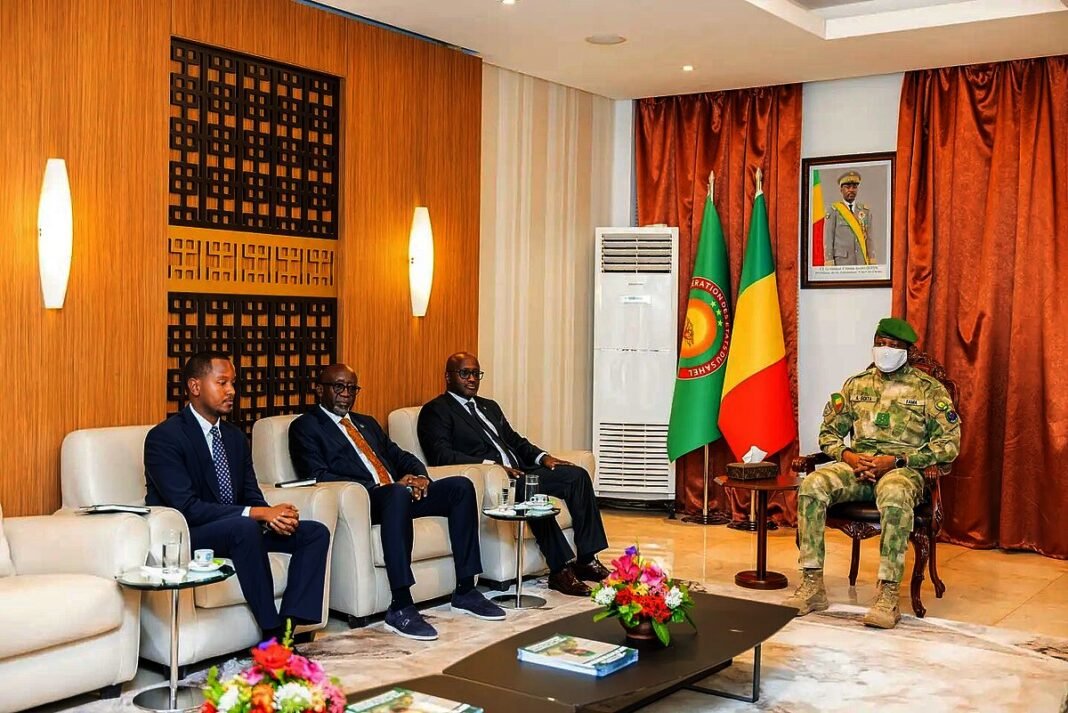
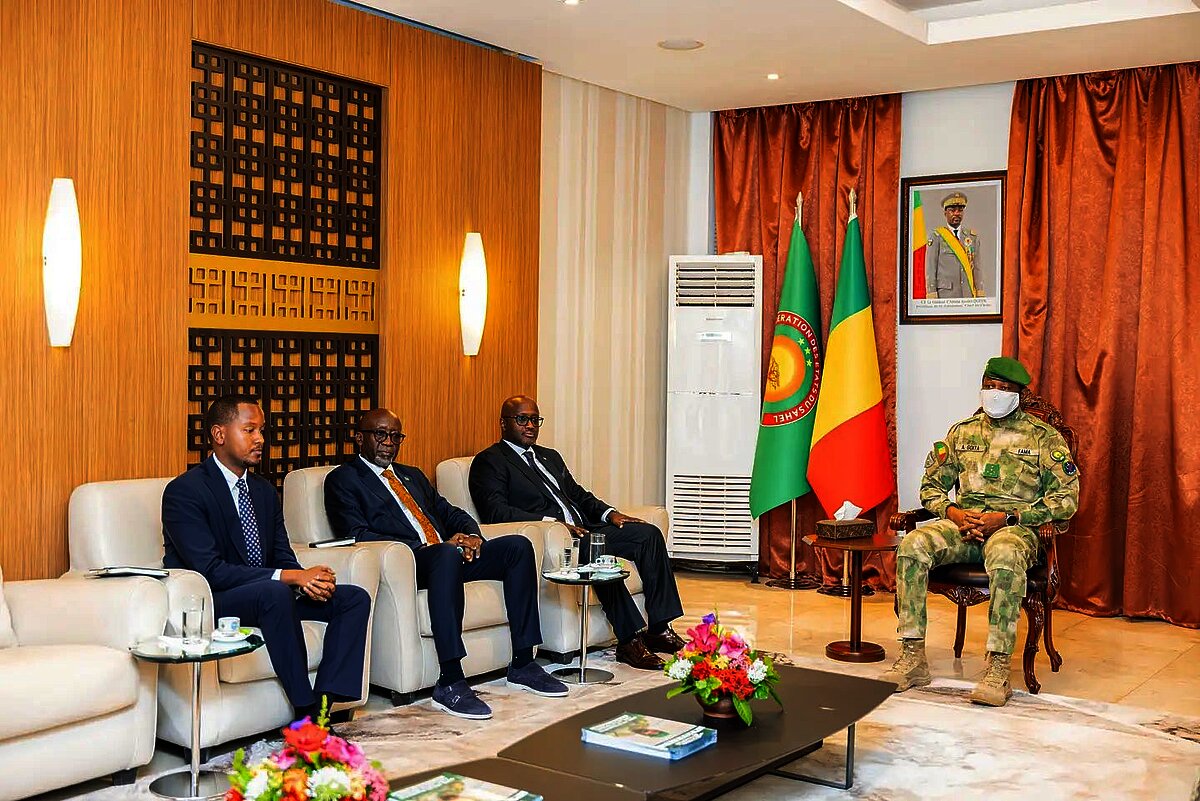
In a published statement ahead of the visit, The visit by Minister Olivier J.P. Nduhungirehe to Bamako, Mali, on October 13th, 2026, represents a deliberate effort to bolster existing bilateral relations between Rwanda and Mali. The significance of this engagement stems from the stated goal of “strengthening bilateral ties,” a phrase repeated throughout the Ministry’s communications. This focus—on African integration and cooperation—is consistent with recent diplomatic activity, including meetings with Kenyan, South Sudanese, and Ukrainian officials, as detailed in subsequent press releases. The visit underscores a prioritization of engagement within the African continent, a continent increasingly viewed by Kigali as vital to its economic and security interests.
Background
The Ministry’s activity in October 2026 demonstrates a sustained diplomatic effort. Prior to the Mali visit, Minister Nduhungirehe received copies of the Letters of Credence of Mr. El Houssein Ould Nagi, the Mauritanian Ambassador-Designate to Rwanda, on October 15th, 2026. Simultaneously, the Ministry issued a statement regarding the Minister’s attendance at the 20th Ordinary Session of the Regional Inter-Ministerial Committee (RIMC) in Zambia on October 19th, 2026. This RIMC meeting, as detailed in a separate release, indicates Rwanda’s continued involvement in regional security initiatives, particularly concerning the situation in the Eastern Democratic Republic of Congo. The Ministry’s actions, as evidenced by these meetings and the Mali visit, highlight a multifaceted approach to diplomatic engagement across multiple African nations. The Ministry’s previous discussions with the AU Facilitator regarding the peace process in Eastern DRC (October 6th, 2026) further demonstrate a commitment to regional stability.
Analysis
The focus on Mali, coupled with the ongoing engagement across the continent, suggests a deliberate strategy on the part of Rwanda. The discussions with General Assimi Goïta, Head of State of Mali, centered on “strengthening bilateral relations,” a phrase repeated across the Ministry’s communications. The meetings with Abdoulaye Diop, Minister of Foreign Affairs and International Cooperation, concerned “the state of bilateral relations and explored prospects for enhancing cooperation in areas of mutual interest.” Furthermore, the visit to the National Museum of Mali and the Modibo Keïta Memorial reveals a desire to understand and promote Mali’s cultural heritage and political evolution. The discussions with Ismaël Wague, Minister of National Reconciliation, Peace and National Cohesion, point to a recognition of the challenges to peace and stability in Mali. The Ministry’s engagement with the UN Envoy in Sudan and its participation in the RIMC demonstrate a wider commitment to regional security issues. The visit, as noted, offers an opportunity to learn more about Mali’s rich cultural and Pan-African heritage, as well as its political and social evolution since independence. The statement does not address the underlying geopolitical dynamics within Mali.
Implications
The increased diplomatic activity has implications for regional stability. Rwanda’s engagement with Mali, a country facing significant security challenges, could contribute to efforts to stabilize the region. Should the visit yield positive results in terms of fostering dialogue and cooperation, it could represent a step toward addressing the root causes of instability. The continued participation in the RIMC and discussions with the UN Envoy demonstrate Rwanda’s commitment to supporting peace processes in conflict-affected regions. The sustained diplomatic efforts also have implications for trade and security, potentially opening avenues for economic cooperation and security partnerships. The Ministry’s engagement with Ukraine, as evidenced by the meeting with Ukrainian Members of Parliament, suggests a broader interest in international collaboration on various issues.
Outlook
If the visit yields a renewed commitment to cooperation between Rwanda and Mali, particularly in the areas of security and stability, it could strengthen bilateral ties. Should the discussions result in concrete agreements on specific projects or initiatives, it would represent a tangible step forward. However, given the ongoing challenges facing Mali, the success of these efforts remains uncertain. The Ministry’s continued engagement in the RIMC and its discussions with the UN Envoy suggest a long-term commitment to regional stability, but the effectiveness of these initiatives will depend on the willingness of all stakeholders to engage in constructive dialogue.