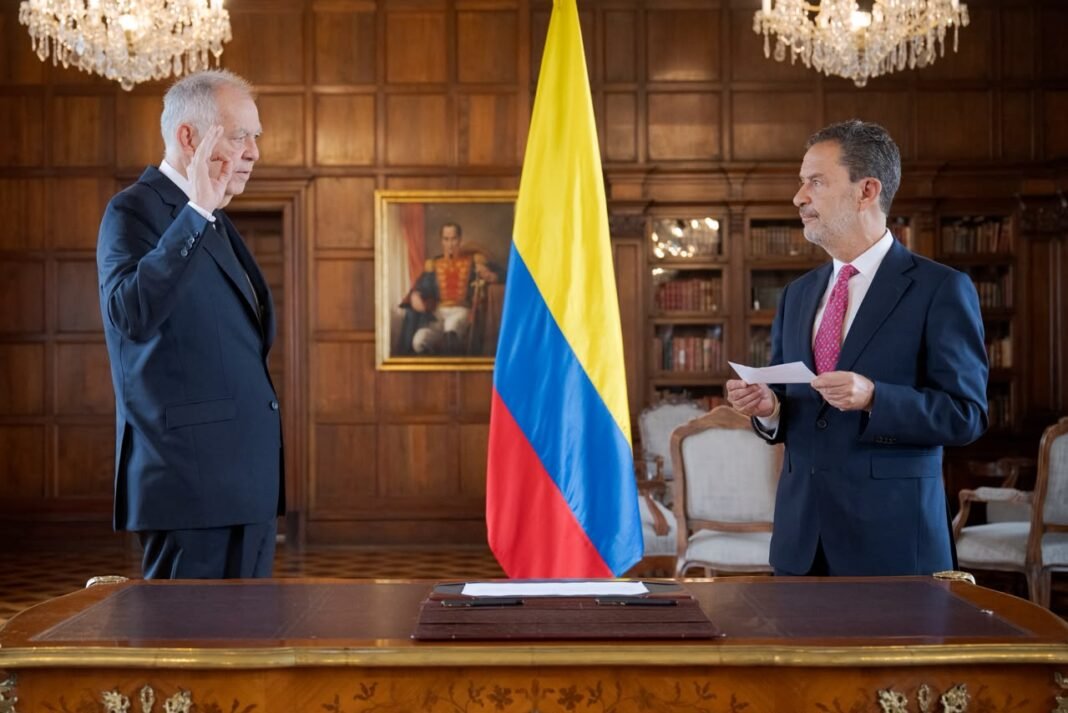
As set out in a formal announcement, Kigali, 11 September 2026 – Minister Olivier J.P. Nduhungirehe received copies of the letters of credence from H.E. Henrik Nilsson, Ambassador-designate of Sweden to Rwanda. The statement does not mention the date of the meeting. The Minister congratulated Amb. Nilsson on his appointment and reaffirmed Rwanda’s commitment to further strengthening and deepening bilateral cooperation between the two countries. This exchange of credentials, a standard diplomatic formality, underscores Rwanda’s ongoing efforts to cultivate relationships with key international partners. The statement does not mention the specific areas of cooperation to be pursued.

Context
The presentation of credentials is a traditional diplomatic procedure. The event highlights Rwanda’s continued engagement with the European Union through its diplomatic corps. The statement does not mention any particular discussions that took place during the meeting. Rwanda has been actively pursuing partnerships with nations across the globe, reflecting a strategic approach to economic development and regional stability. The visit follows recent agreements between Rwanda and Oman, and ongoing political consultations with Switzerland, as outlined in separate press releases. This ceremony further cements Rwanda’s position as a key player in international relations, particularly within the African continent.
What to Watch
Should the visit yield further discussions on trade and investment opportunities, it would align with Rwanda’s broader economic development strategy. If implemented as described, the appointment of the Swedish Ambassador-designate suggests a continued commitment to strengthening ties within the European Union diplomatic sphere. The statement does not mention any immediate plans for joint projects or collaborative initiatives. Further details regarding the Ambassador’s mandate and areas of focus will likely emerge in the coming weeks. The Ministry of Foreign Affairs and International Cooperation will continue to manage relationships with international partners, as evidenced by ongoing engagements with the UN, SADC, and other key stakeholders.