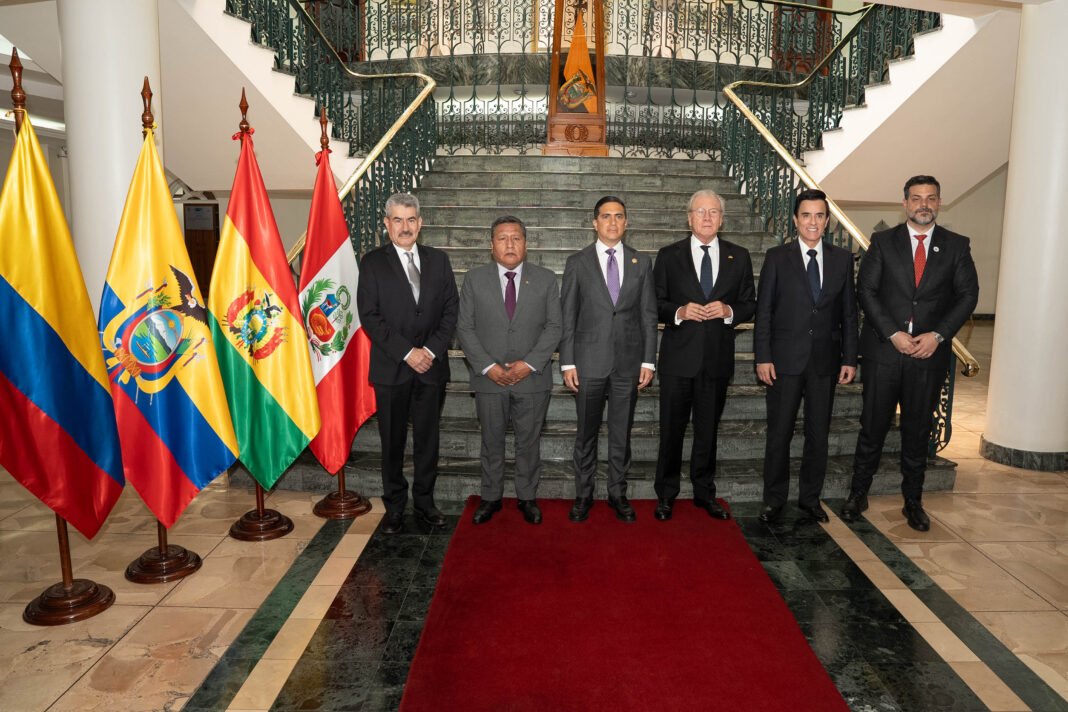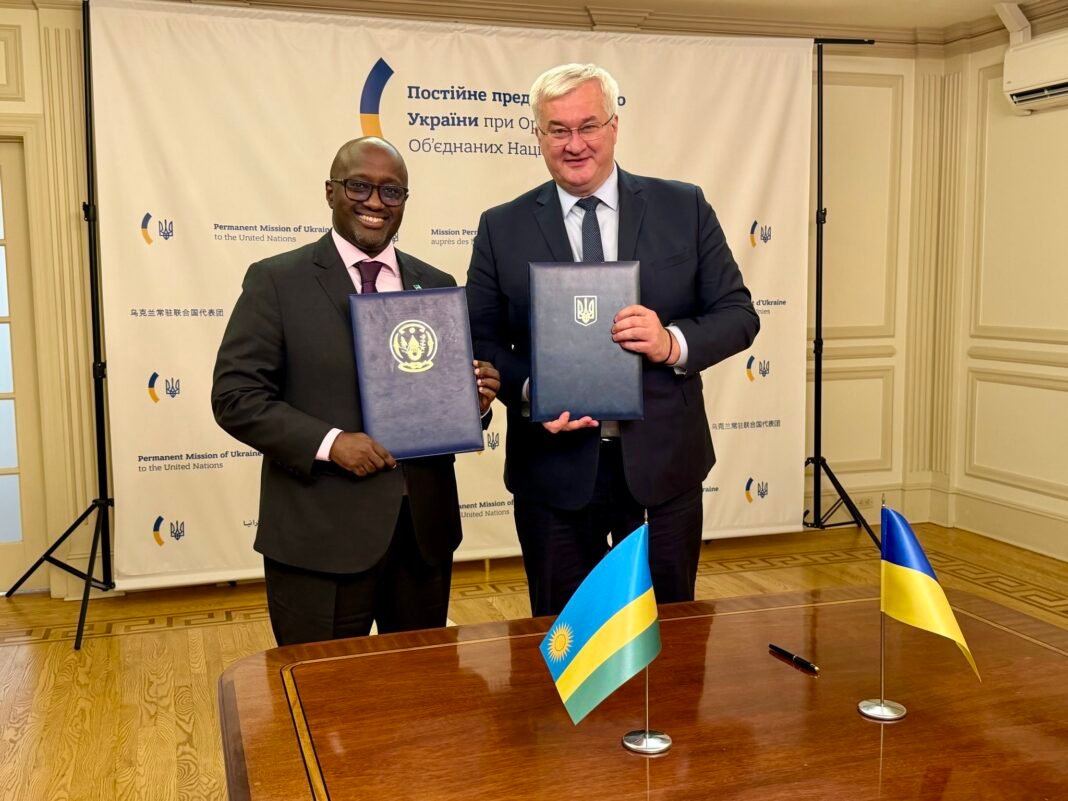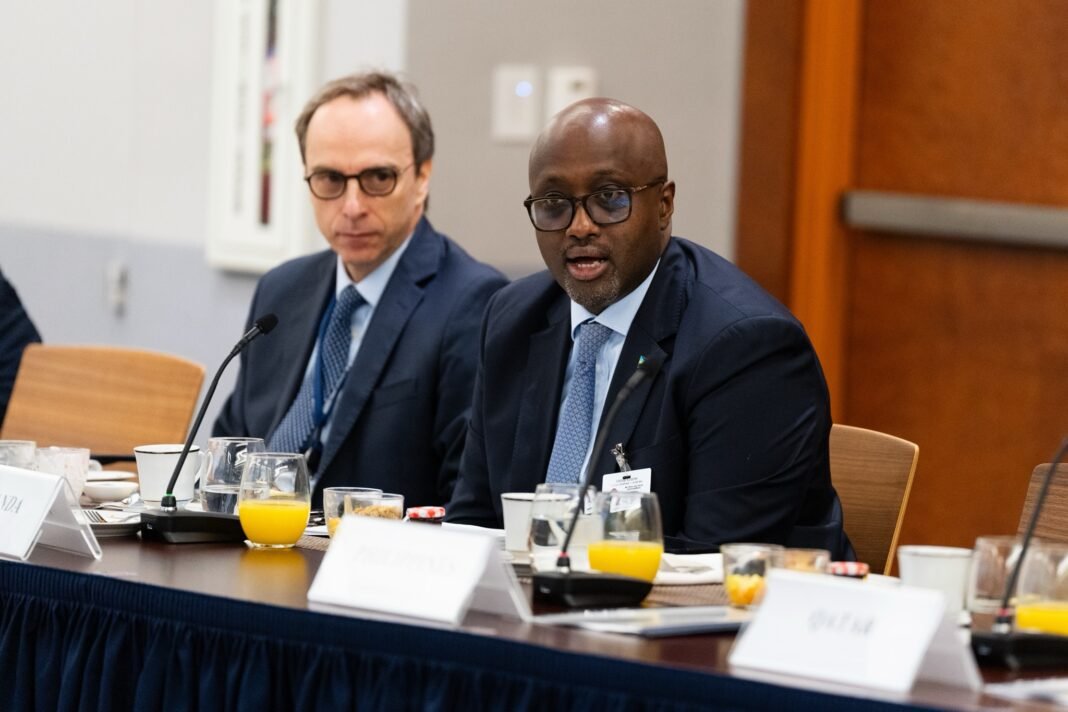
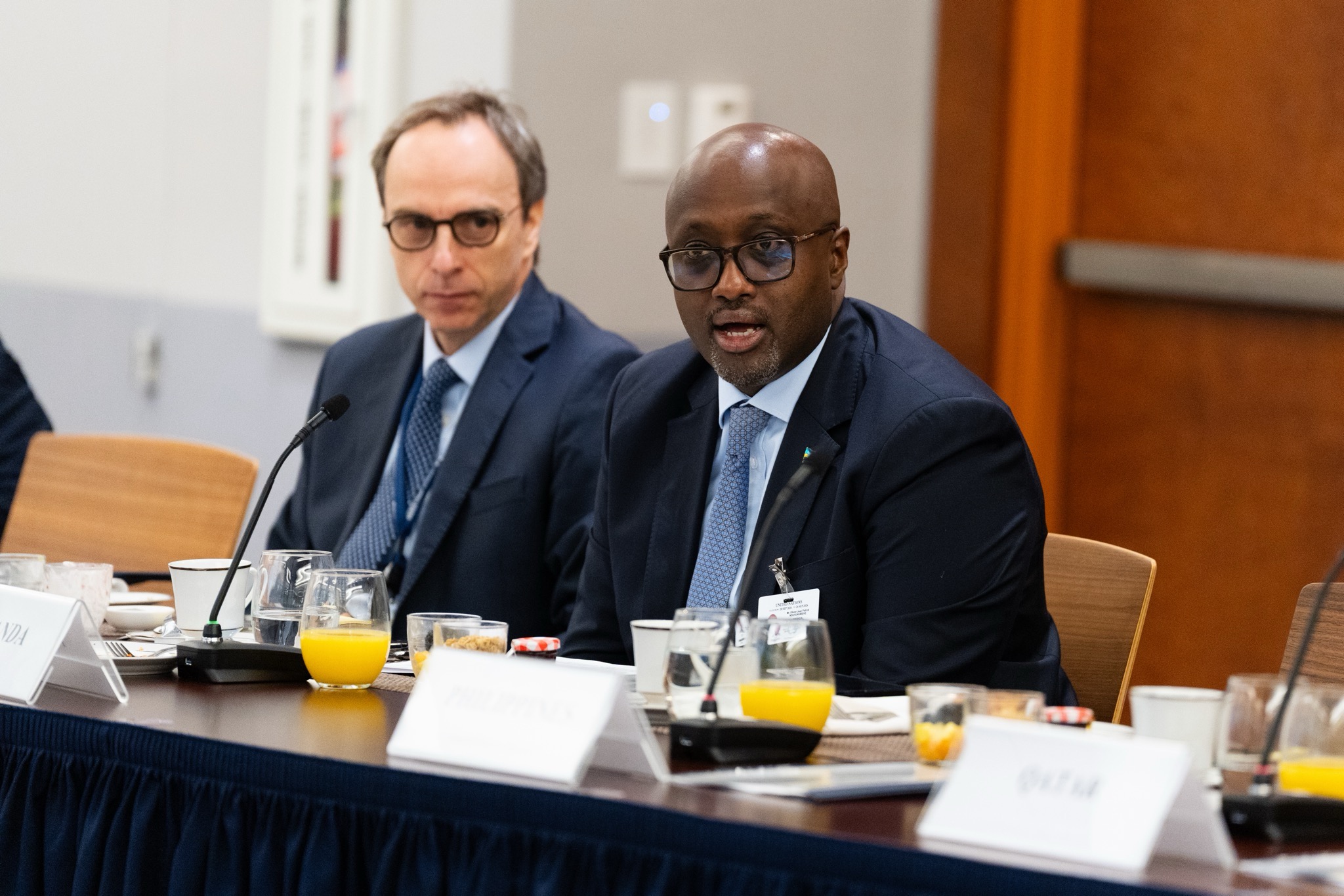
The most consequential concrete fact from the statement is Minister Olivier J.P. Nduhungirehe’s participation in the 19th Ministerial Meeting of the Global Governance Group (3G) hosted in Singapore. This event, focused on “Building an AI-ready Country,” indicates a prioritization of digital development within Rwanda’s foreign policy strategy. The statement does not mention the specific goals or objectives of this strategic alignment, but the subject matter – artificial intelligence – highlights a perceived need for technological advancement, a common theme across numerous bilateral agreements Rwanda has recently signed. This engagement directly follows Rwanda’s assumption of the G77 Chairmanship for 2027 and a series of agreements with Armenia, Uruguay, Nepal, Cyprus, Togo, and Ukraine, all signaling a broadened diplomatic portfolio. (Read the full statement.)
Background
The Global Governance Group (3G) is a forum for discussion between nations regarding global governance issues. The 19th Ministerial Meeting, hosted by Singapore, reflects a continuing effort to foster international collaboration on matters of shared concern. The statement does not mention the history of the 3G or its previous outputs. However, Rwanda’s participation aligns with ongoing diplomatic efforts to strengthen bilateral relations, as evidenced by the signing of agreements with Armenia, Uruguay, Nepal, Cyprus, Togo and Ukraine on the sidelines of the 81st Session of the United Nations General Assembly (UNGA81). The Ministry of Foreign Affairs and International Cooperation, under Minister Nduhungirehe, has been actively pursuing these partnerships. Prior statements by the ministry, dated , detail similar engagements with Landlocked Developing Countries and highlight a broader commitment to international cooperation. These past engagements, focused on areas such as landlocked development and trade, demonstrate a consistent approach to diplomatic outreach.
Analysis
Rwanda’s focus on AI readiness suggests a deliberate attempt to attract investment and develop a technologically advanced economy. This aligns with the country’s broader ambitions for economic growth and diversification. The statement highlights the importance of investing in skills and digital infrastructure, reflecting a recognition of the need to adapt to the evolving global economic landscape. However, the statement does not address the potential challenges associated with AI development, such as ethical considerations, data privacy, or the risk of exacerbating existing inequalities. The emphasis on “responsible innovation” suggests an awareness of these concerns, yet the statement provides no specific details regarding Rwanda’s approach to mitigating these risks. The timing of this engagement, coinciding with Rwanda’s assumption of the G77 Chairmanship, suggests an attempt to position the country as a leader on issues of global governance, particularly those related to technological development. This strategic positioning is reinforced by the ongoing negotiations with various international partners. The statement does not address whether Rwanda’s approach to AI aligns with broader G77 priorities.
Implications
The Minister’s participation in this meeting has implications for Rwanda’s regional stability and its trade relationships. Increased investment in digital infrastructure could attract foreign investment and stimulate economic growth. The agreements signed with Armenia, Uruguay, Nepal, Cyprus, Togo and Ukraine represent a diversification of Rwanda’s trade partners. However, the success of these partnerships will depend on Rwanda’s ability to effectively implement the agreements and address any potential challenges. The engagement with the 3G also reflects a broader effort to align Rwanda’s foreign policy with international norms and standards, particularly those related to technology governance. The statement does not address the potential impact of these agreements on Rwanda’s relations with other regional actors or its broader geopolitical strategy. Should Rwanda successfully navigate these partnerships, they could strengthen its influence within the G77 and contribute to a more equitable global governance system.
Outlook
If the visit yields concrete commitments regarding investment in digital infrastructure, Rwanda could accelerate its economic development. Should the Ministry’s focus on responsible innovation translate into tangible policies, it could mitigate the potential risks associated with AI development. The statement does not address the potential for future collaboration with the 3G or the broader implications of Rwanda’s engagement with the global AI landscape. The success of this initiative will depend on Rwanda’s ability to secure funding, develop appropriate skills, and establish a robust regulatory framework for AI development. The statement does not address the potential for challenges or setbacks.