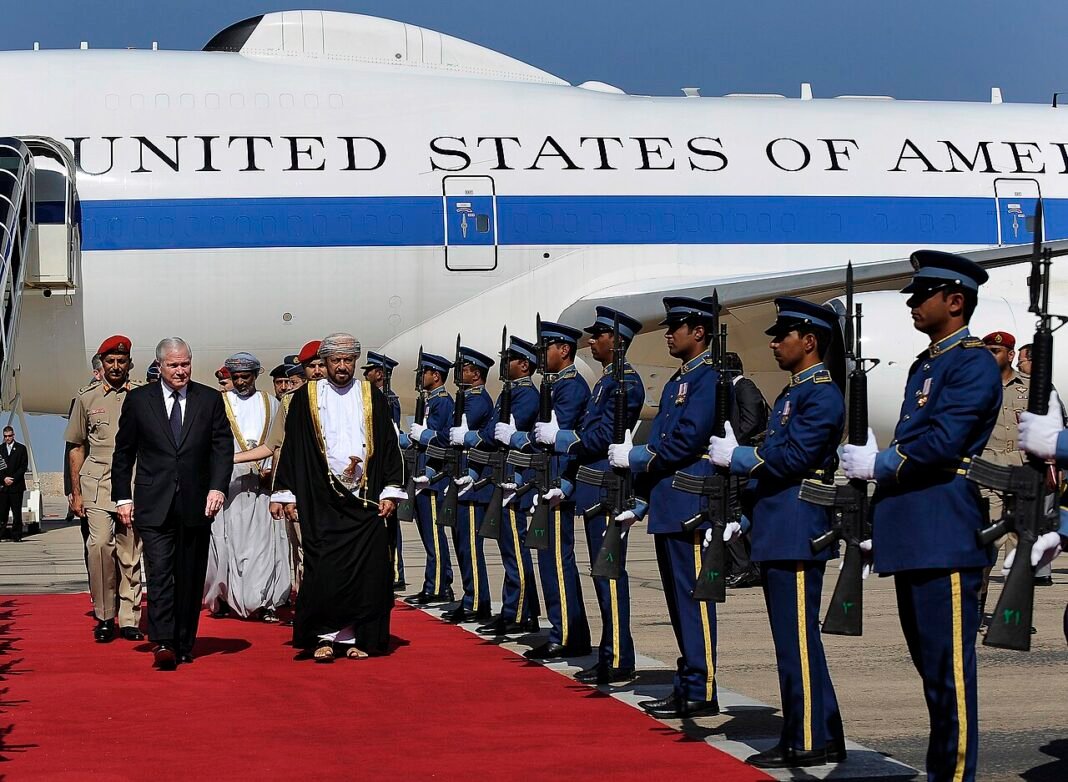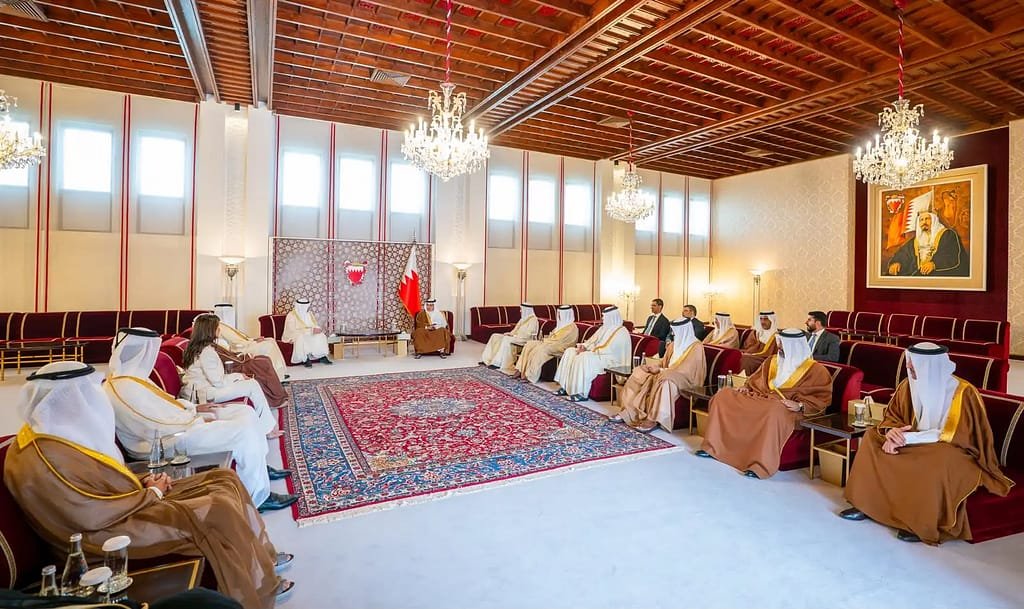
Details in a press release show that The General Agreement for the GCC Railway Project was signed in the Kingdom of Bahrain on 8 November 2026. This signifies a step towards greater Gulf integration in the transport sector, according to the GCC Secretary General. The agreement was finalized during the 31st meeting of the GCC Ministerial Committee for Transport and Communications, attended by Crown Prince and Prime Minister of Bahrain, Prince Salman bin Hamad Al Khalifa, and GCC Ministers of Transport and Communications.

Background
The GCC Railway Project aims to establish a unified, interoperable regional railway network connecting all GCC countries. This initiative is being advanced by the GCC Railways Authority, supported by ongoing commitment from GCC member states. The agreement was signed at Al Riffa Palace in Bahrain, highlighting the Kingdom’s role as a central location for regional cooperation within the Gulf.
Analysis
The signing of this General Agreement reflects a sustained focus on regional integration within the GCC. The continued support from GCC leaders, as expressed by the Secretary General, suggests a prioritization of strategic projects benefiting member states. If implemented as described, the railway network could significantly improve connectivity and facilitate transport across the region, bolstering economic development. The agreement’s emphasis on interoperability indicates a desire for seamless travel throughout the GCC, though the statement does not address the potential challenges of coordinating diverse railway standards.
Implications
For policymakers, the GCC Railway Project represents a tangible commitment to infrastructure development and regional connectivity. Should the project succeed, it could enhance trade flows and facilitate economic diversification within the GCC. The agreement’s impact extends beyond transport, potentially strengthening political ties between member states. The statement does not address the potential implications for broader regional trade agreements or security considerations stemming from increased transport infrastructure.
Outlook
If the project proceeds as planned, the establishment of a unified railway network could significantly reduce transportation costs and improve logistics across the GCC. Should the GCC Railways Authority successfully navigate the technical challenges of interoperability, the project could serve as a model for future regional infrastructure initiatives. The agreement does not specify a timeline for completion or outline the anticipated investment required – these remain key uncertainties.
Conclusion
The GCC Railway Agreement represents a formal commitment to a long-term project, but the ultimate success hinges on the ability of the GCC Railways Authority to overcome technical and logistical hurdles. The agreement’s impact on regional trade and security remains to be seen.