Bogotá, August 13, 2026 – Colombia has assumed, for the first time, the Vice-Presidency of the Special Committee on Trade of the Association of Caribbean States (ACS), as announced by the Ministry of Foreign Affairs. (Read the full statement.)

Background
The ACS, established in 1994, is a regional intergovernmental organization comprising 33 member states. Colombia, one of its founding members, has historically played a significant role within the bloc. The Committee on Trade, established within the ACS framework, aims to facilitate trade and economic integration among its member nations. This meeting marks a critical step in Colombia’s engagement with this body – specifically, the formal assumption of the Vice-Presidency.
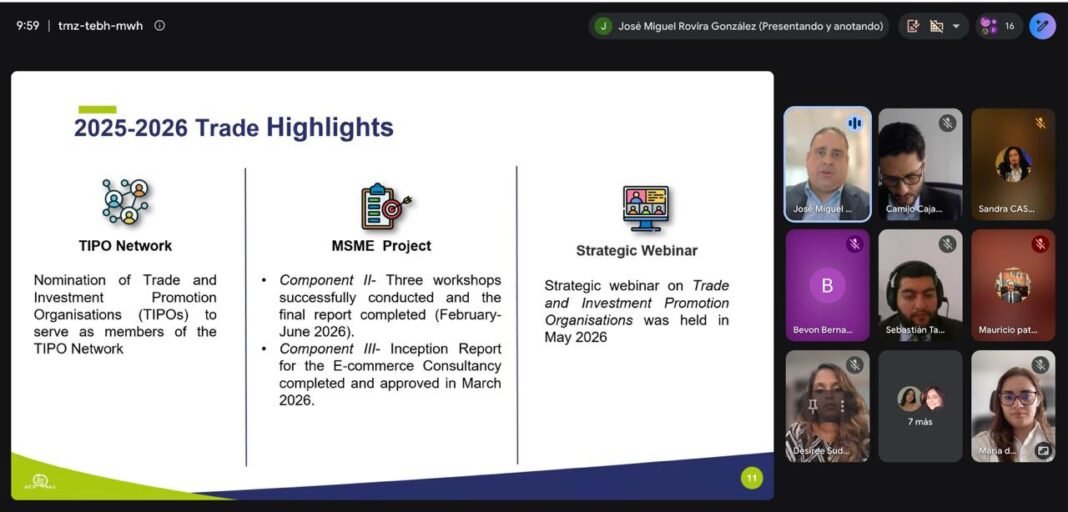
The Ministry of Foreign Affairs, alongside the Ministry of Commerce, Industry and Tourism, participated in the socialization of the Committee’s work plan during the meeting. This plan is linked to the Gran Caribe 2035 Strategic Plan – a long-term initiative designed to foster economic growth and integration across the Caribbean region. The agenda also centers on modernizing investment systems and streamlining access for micro, small, and medium enterprises (MIPYMES) to regional markets.
Analysis
Colombia’s assumption of the Vice-Presidency represents a tangible commitment to strengthening intra-regional trade. This move is framed as bolstering economic integration within the Gran Caribe 2035 framework, suggesting an alignment with broader development goals. However, the statement does not address the specific budgetary commitments or resource allocation underpinning this renewed engagement.
The simultaneous focus on MIPYMES highlights a strategic priority for Colombia – facilitating access to regional markets for smaller businesses. This aligns with broader efforts towards diversification and economic resilience within the country. The inclusion of the Gran Caribe 2035 Strategic Plan indicates an intention to coordinate trade policy with a wider, long-term development strategy.
The expression of solidarity following the earthquake in Chocó – a magnitude 7.4 event on August 10th – adds a humanitarian dimension to Colombia’s participation. This gesture underscores its role as a regional anchor and demonstrates a willingness to provide support during times of crisis. The statement does not address whether this solidarity will translate into specific economic assistance or trade-related initiatives.
Implications
Colombia’s assumption of the Vice-Presidency carries significant implications for regional stability and trade dynamics. It reinforces Colombia’s position as a key player within the ACS, potentially influencing the committee’s agenda and priorities. The focus on MIPYMES could unlock new market opportunities for Colombian businesses while simultaneously stimulating economic activity in other Caribbean nations.
The government’s commitment to modernizing investment systems is likely to attract foreign investment and promote economic growth across the region. Furthermore, increased trade flows between member states would contribute to greater economic interdependence – potentially fostering greater stability within the ACS. This suggests a move towards deeper integration, but does not detail specific mechanisms for dispute resolution or regulatory harmonization.
Outlook
Should the visit yield continued support from other ACS members regarding trade liberalization and investment promotion, Colombia could play a pivotal role in shaping regional economic policy. If the government successfully implements its plan to modernize investment systems and facilitate access for MIPYMES – as described in the statement – it could significantly boost economic activity within the Gran Caribe region.
However, should funding commitments from ACS member states remain insufficient or if bureaucratic obstacles impede progress on trade facilitation measures, Colombia’s influence within the committee may be limited. The success of this initiative hinges on a coordinated effort among all ACS members – a challenging prospect given existing economic disparities and political divergences.
Conclusion
The government’s assumption of the Vice-Presidency represents a significant step, but Colombia’s ability to translate this commitment into tangible results remains uncertain. The key question moving forward is whether Bogotá can leverage its position within the ACS to drive deeper regional integration – or if it will be relegated to a largely symbolic role.