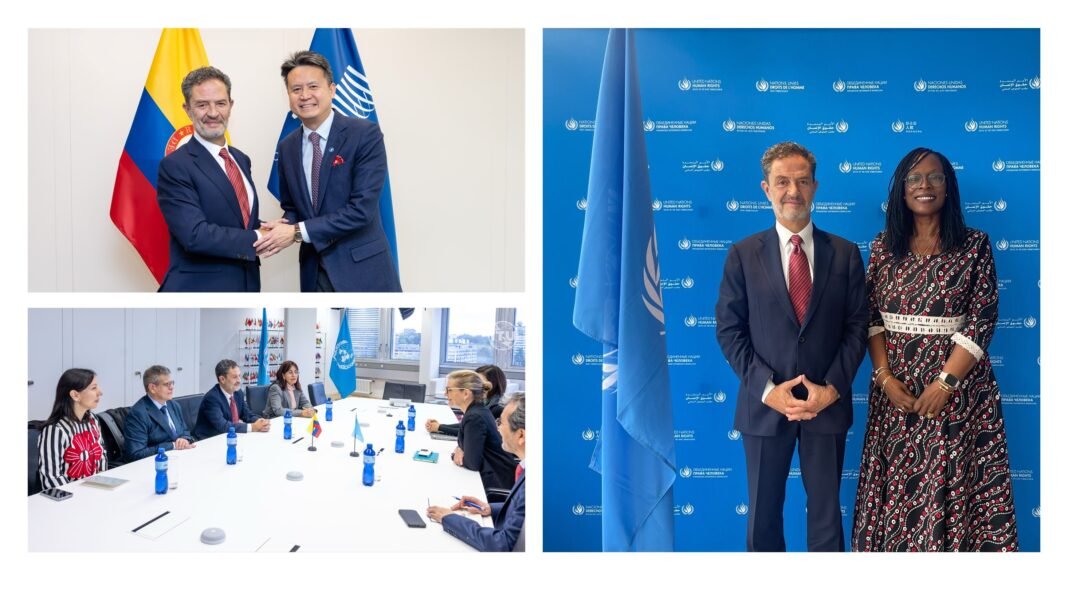
The official readout frames the trip as Juan Carlos Vélez Uribe assumed his post as Colombian Ambassador to Ecuador on October 21, 2026, arriving in Quito with the stated purpose of solidifying border security, deepening energy cooperation, and stimulating trade, investment, and tourism to benefit border communities. This action underscores Colombia’s commitment to strengthening ties with its neighboring nation, a country with which it shares over 580 kilometers of border and a history of fraternity, cooperation, and integration.

Background
Vélez Uribe’s appointment follows a period of sustained diplomatic engagement between Colombia and Ecuador, characterized by ongoing discussions regarding regional security and economic integration. The statement does not mention specific prior meetings or agreements leading to the ambassador’s arrival. However, the Colombian Ministry of Foreign Affairs has consistently prioritized bilateral relations with Ecuador, particularly concerning the shared border and the potential for mutually beneficial projects. The ambassador’s background, detailed in the press release, reflects a career spanning both the public and private sectors, including leadership roles within the Colombian Aeronáutica Civil and the Federación Nacional de Distribuidores de Combustibles y Energéticos (Fendipetróleo).
Analysis
The core objective of Vélez Uribe’s mission, as outlined by the Colombian Ministry of Foreign Affairs, is multifaceted. It involves a deliberate strategy to address several key areas of bilateral concern. Firstly, bolstering border security is presented as a critical element, reflecting ongoing anxieties about cross-border crime and illicit activities. Secondly, deepening energy cooperation is explicitly stated, suggesting a desire to harness the potential of shared energy resources and infrastructure. Thirdly, the ambassador’s prior experience with Fendipetróleo lends significant weight to the promotion of trade, investment, and tourism, particularly in sectors reliant on energy and transportation. The statement does not address any specific tensions or disputes that may have prompted this renewed focus on the bilateral relationship. This suggests a proactive approach from the Colombian government, aiming to solidify a stable and beneficial partnership with Ecuador.
Implications
The appointment of Vélez Uribe carries significant implications for regional stability. A strengthened Colombian-Ecuadorian relationship could serve as a model for cooperation in addressing shared security challenges, such as drug trafficking and organized crime. Furthermore, increased energy cooperation could contribute to greater regional energy security and potentially unlock new economic opportunities. The ambassador’s experience in the energy sector is particularly relevant, given Ecuador’s significant oil and gas reserves. Should the visit yield positive outcomes regarding trade and investment, it could stimulate economic growth in both countries, particularly benefiting the communities residing along the shared border. The statement does not address any potential geopolitical ramifications of this intensified engagement, nor does it mention any external actors involved or impacted by the relationship.
Outlook
Should the ambassador’s efforts to foster cooperation prove successful, a more formalized framework for collaboration could emerge. If the government of Colombia continues to prioritize this relationship, a series of joint initiatives could be developed, focusing on infrastructure projects, regulatory harmonization, and security protocols. However, the statement does not address any potential obstacles or challenges that might impede progress, such as differing political priorities or unresolved territorial disputes. The success of this diplomatic initiative hinges on the willingness of both governments to compromise and build trust, a factor that remains crucial to the future of the relationship.
Conclusion
The appointment of Juan Carlos Vélez Uribe as Colombian Ambassador to Ecuador marks a visible step in Colombia’s ongoing engagement with its neighbor. The question remains: will this diplomatic effort translate into tangible improvements in border security, energy cooperation, and economic integration, or will underlying tensions continue to impede progress?