The foreign ministry readout describes
Background
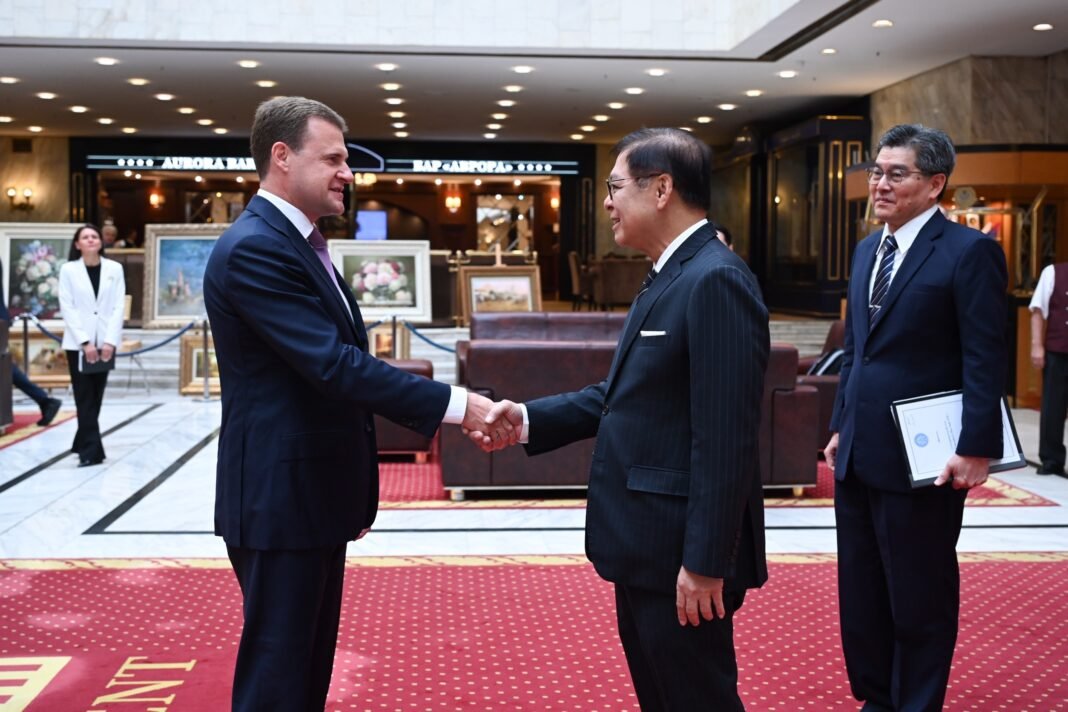
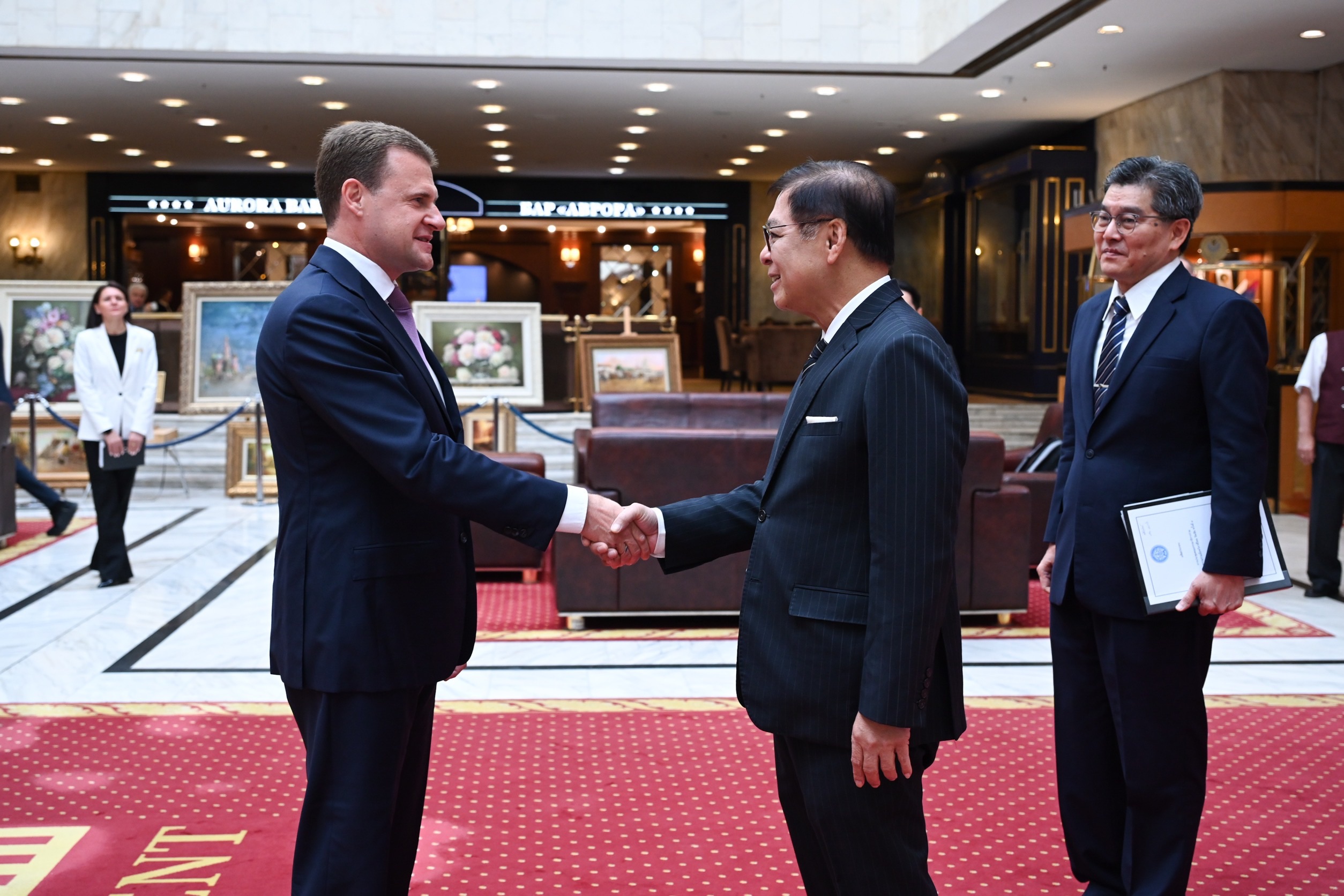
The 9th Session of the Thailand – Russia Joint Commission on Bilateral Cooperation occurred on 14 August 2026 in Moscow. This annual event, as outlined by the Ministry of Foreign Affairs, serves as a platform to advance existing relations and explore new avenues for collaboration. The commission’s mandate covers a broad spectrum of economic cooperation, including trade, investment, agriculture, energy, industry, tourism, education, and addressing climate change. Specifically, Thailand is actively pursuing a Free Trade Agreement with the Eurasian Economic Union (EAEU), indicated by discussions on removing trade barriers and expanding market access for Thai goods – notably agricultural products. The 2nd Russian – Thai Investment Forum, scheduled to take place in Bangkok in October 2026, further underscores this commitment to strengthening economic ties.
Analysis
The meeting’s emphasis on promoting economic cooperation represents a strategic shift for Thailand, aiming to reduce reliance on traditional trading partners. The pursuit of an EAEU Free Trade Agreement is driven by the desire to access new markets and mitigate existing trade restrictions. Simultaneously, the focus on Russian tourism – approximately 1 million visitors in the first half of 2026 – reveals a recognition of Russia as a significant source of revenue for Thailand’s hospitality sector. The participation of key Thai business organizations—the Thai Chamber of Commerce, Federation of Thai Industries, and the Thai-Russian Business Council—demonstrates a concerted effort to translate discussions into concrete investment opportunities. This suggests an intention to foster direct engagement between Thai companies and their Russian counterparts.
Implications
The deepening relationship between Thailand and Russia carries implications for regional stability and trade flows. Should the EAEU Free Trade Agreement be successfully negotiated, it could reshape trade dynamics within Southeast Asia. The increased flow of Russian tourists provides a buffer against potential economic headwinds in other key markets. Furthermore, cooperation on energy security, particularly given Russia’s role as a significant tourist source, represents a strategic priority for Thailand. The meeting’s outcome – the Agreed Minutes—could influence Thailand’s broader diplomatic strategy within the context of evolving geopolitical alignments.
Outlook
If negotiations on the EAEU Free Trade Agreement progress successfully, Thailand’s ability to diversify its export markets will be strengthened. Should the Russian tourism sector maintain its current levels, Thailand’s tourism revenue will continue to benefit. However, if global economic conditions deteriorate or political tensions escalate, this could negatively impact both trade and tourism flows.