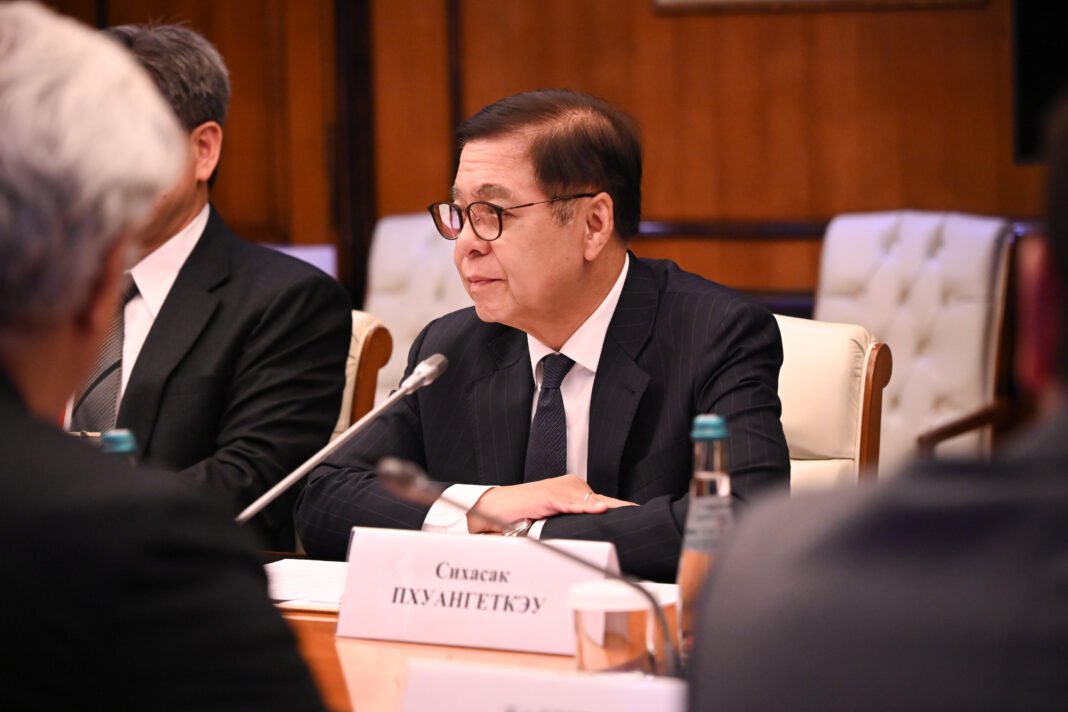
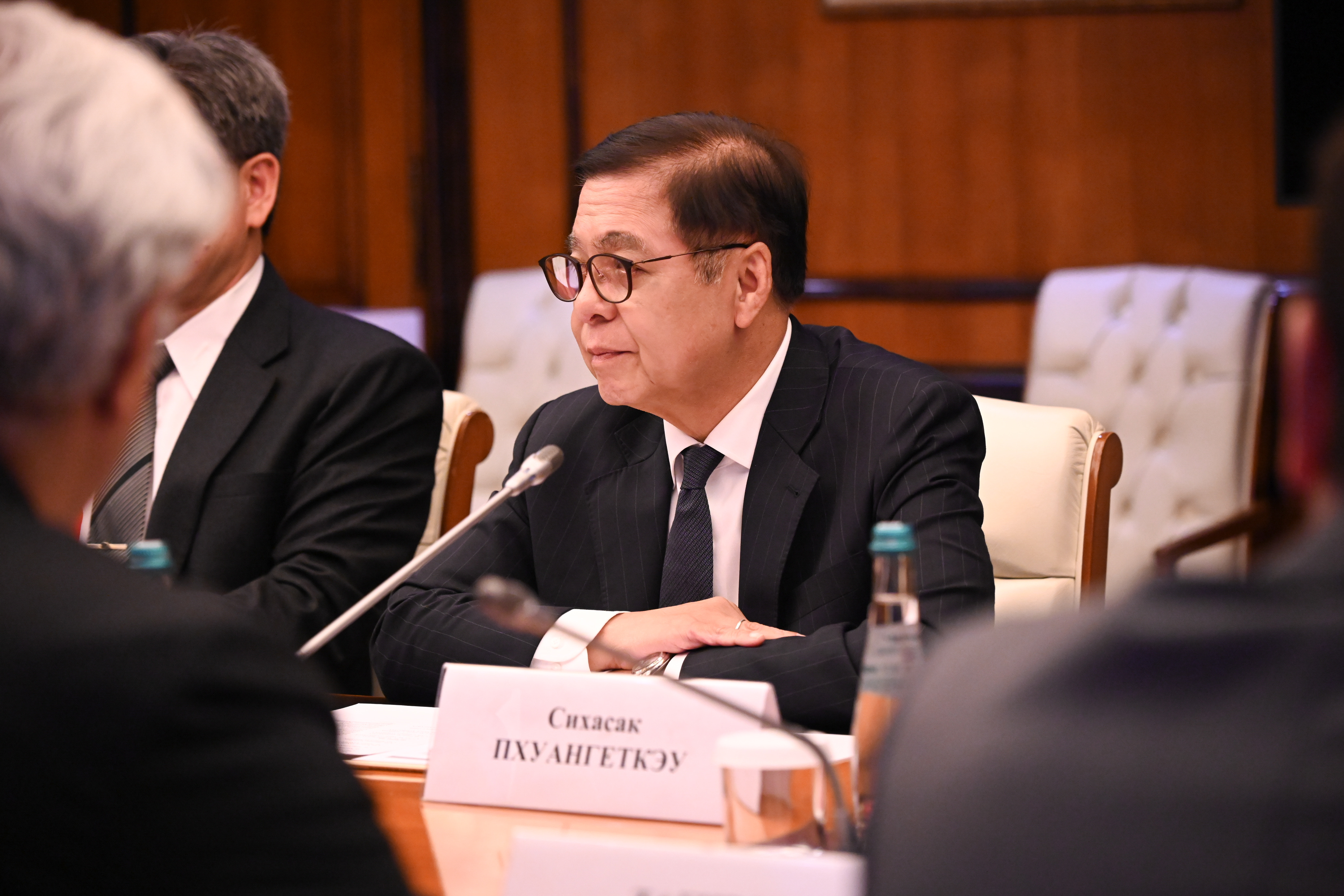
In a published statement ahead of the visit, On August 13th, 2026, Deputy Prime Minister and Minister of Foreign Affairs Sihasak Phuangketkeow engaged in a bilateral meeting with his Russian counterpart, Alexander Novak, held at the House of Government in Moscow. This engagement, as outlined in the Ministry of Foreign Affairs press release, centers on increasing trade cooperation between Thailand and Russia. The significance of this event lies in Russia’s status as Thailand’s 36th trading partner and its position as Thailand’s largest trading partner within the Eurasian Economic Union (EAEU). The stated goal – enhancing economic potential and competitiveness – reflects a broader strategic imperative for Thailand to diversify its trade relationships beyond established markets.
Background
The context surrounding this meeting is rooted in Thailand’s longstanding engagement with the EAEU. The “5S Foreign Affairs Masterplan,” a 20-year strategy detailed within the MFA’s policy statements, explicitly prioritizes strengthening ties within regional economic blocs. Specifically, the press release highlights that Russia is already Thailand’s largest trading partner within the EAEU, indicating a pre-existing framework for collaboration. Furthermore, the Thai-EAEU Free Trade Agreement (FTA) negotiations, currently in an expedited process, represent a key component of this expanded cooperation. The statement does not mention any specific timelines or milestones associated with these negotiations, though it emphasizes their potential to boost Thailand’s economic competitiveness. The formalization of this FTA would provide a more structured approach to trade facilitation.
Analysis
The stated objectives – increasing trade, investment, agriculture, and energy – represent a pragmatic assessment of Russia’s strengths. Russia possesses significant resources in these sectors, offering Thailand opportunities for import substitution and access to new markets. The emphasis on “trade facilitation” suggests an attempt to overcome potential bureaucratic hurdles that may have previously impeded bilateral trade flows. The inclusion of BRICS – the Brazil-Russia-India-China-South Africa economic bloc – as a framework for cooperation signals Thailand’s desire to participate in broader global economic initiatives, bolstering its standing within this group. Should the Thai-EAEU FTA negotiations commence successfully, it would create a more predictable and advantageous trading environment for both nations. The meeting highlights a strategic shift for Thailand, moving beyond simply maintaining relations with Russia to actively seeking deeper integration into the EAEU’s economic orbit.
Implications
For policymakers in Bangkok, this engagement carries implications across several domains. Successfully navigating the Thai-EAEU FTA negotiations would necessitate careful consideration of Thailand’s existing trade agreements and potential impacts on its relationships with other ASEAN members. The increased cooperation with Russia could also influence Thailand’s approach to regional security issues, particularly within the context of evolving geopolitical dynamics in Southeast Asia. Furthermore, the meeting underscores Thailand’s commitment to diversifying its economic partnerships beyond traditional Western markets. The statement does not address the potential impact on Thai exports or the challenges associated with integrating into a customs union.
Outlook
If the Thai-EAEU FTA negotiations proceed smoothly, as suggested by the expedited process described in the press release, it could significantly alter Thailand’s trade landscape. Should the negotiations face significant delays or disagreements regarding tariff reductions, it would likely temper expectations for rapid economic growth within the EAEU framework. The continued engagement with BRICS, a partnership already formalized, represents a longer-term strategic investment, dependent on the evolving dynamics of that bloc and its member states. If Thailand is able to successfully leverage its position as a partner country in BRICS, this could provide further opportunities for trade and investment.