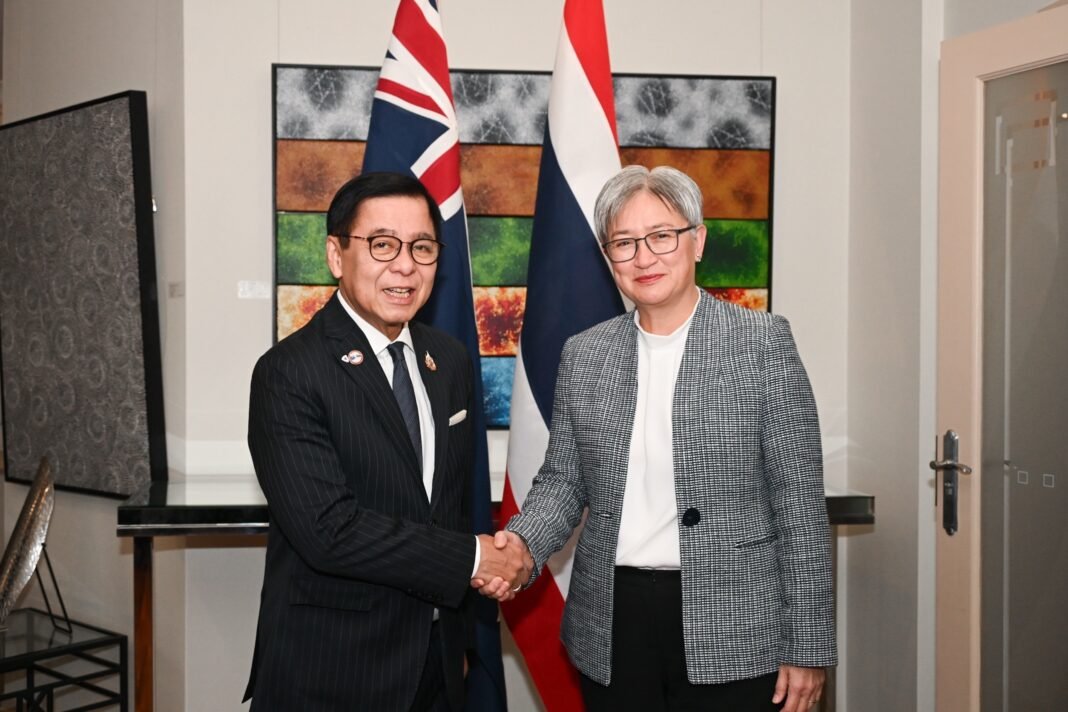
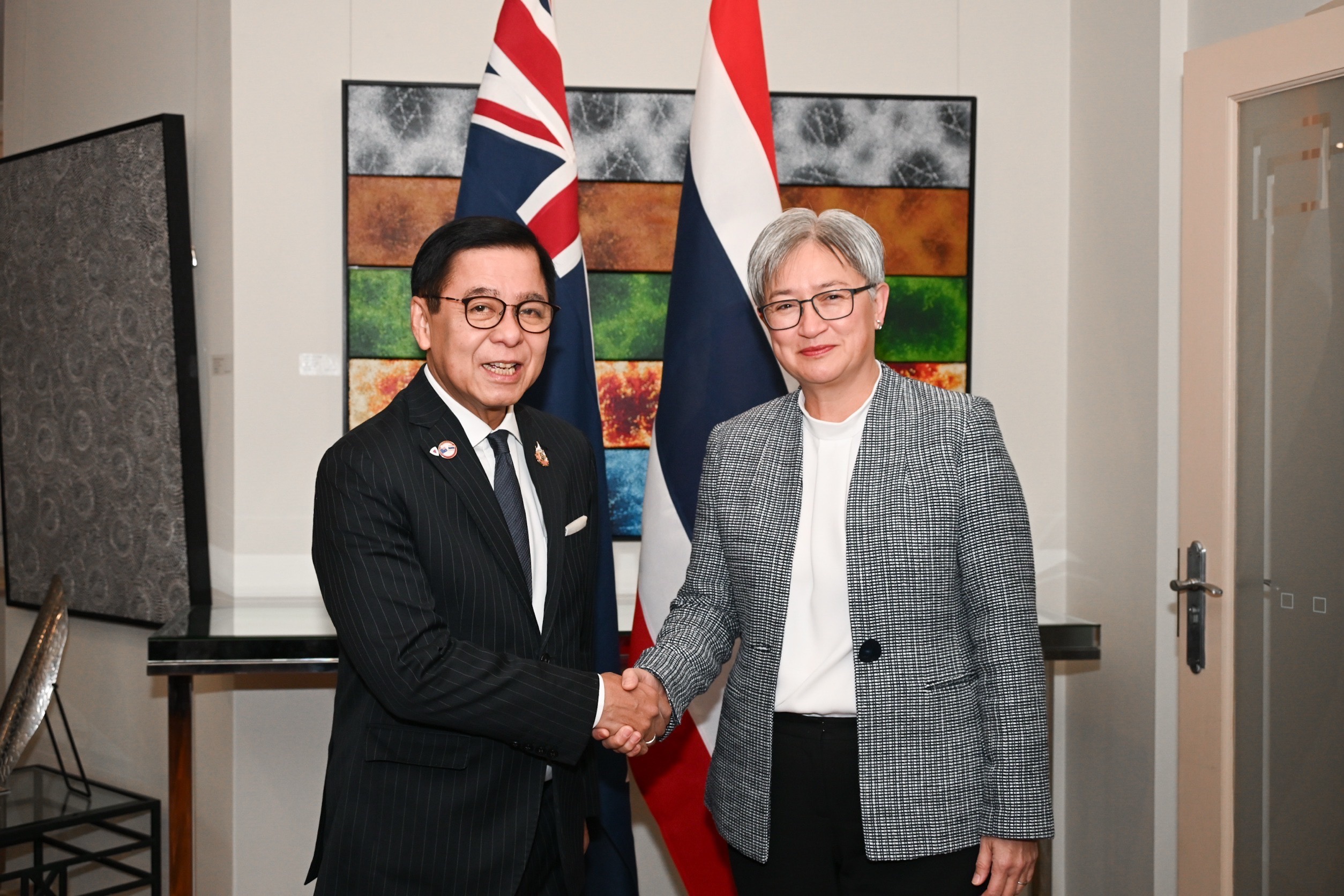
The foreign ministry readout describes On August 21st, 2026, Deputy Prime Minister and Foreign Affairs Minister Sihasak Phuangketkeow engaged in discussions with Australian Foreign Affairs Minister Penny Wong during an official visit by Prime Minister Anutin Charnvirakul to Canberra. This meeting, as detailed in the Ministry of Foreign Affairs press release, represents a key element of Thailand’s strategy for bolstering regional security. The core message – expanding cooperation through increased high-level visits and addressing shared concerns – is consistent with previous policy statements regarding the ‘5S’ Foreign Affairs Masterplan (2018-2027), which prioritizes stability, security, sustainability, service, and strategic alliances. The fact that this meeting occurred during a period of heightened regional instability underscores the Thai government’s recognition of the need for proactive engagement.
Background
The statement references a ‘Joint Plan of Action (2026 – 2029)’, signifying an evolution in Thailand’s approach to bilateral relations with Australia. The announcement of Phase II follows the initial Joint Plan of Action established in 2021, focusing on economic cooperation and people-to-people exchanges. The planned celebration of the 75th anniversary of diplomatic relations in 2027 – a milestone the statement explicitly notes – provides a significant impetus for this renewed commitment to strategic partnership. The ‘5S’ Foreign Affairs Masterplan, launched in 2018, continues to frame Thailand’s overall foreign policy objectives, emphasizing regional security and stability as core priorities.
Analysis
The signing of Phase II signals a deliberate effort by Thailand to solidify its position within the broader Indo-Pacific framework. The emphasis on “dual-track approach” – supporting the Myanmar peace process while simultaneously rebuilding trust with Cambodia – highlights inherent tensions within Thai foreign policy. The statement does not address the complexities surrounding these two relationships, nor does it detail any specific mechanisms for achieving progress. The inclusion of ‘strengthening of regional and global security’ is a broad commitment that could encompass various areas, including defense cooperation, intelligence sharing, or cybersecurity. The strategic significance lies in leveraging Australia’s influence within key international forums to advance Thailand’s interests, particularly concerning the ongoing crises in Myanmar and Cambodia. However, the statement offers no indication of how Thailand intends to translate this increased engagement into tangible outcomes.
Implications
For policymakers, the deepening of ties with Australia represents a potential avenue for bolstering Thailand’s security capabilities and diversifying its strategic partnerships. Should the Joint Plan of Action be successfully implemented, it could lead to increased collaboration in areas such as maritime security and counter-terrorism – though the specifics remain undefined. The agreement’s focus on regional stability has significant implications for Cambodia, where Thailand is attempting to manage a protracted border dispute. The strengthening of Australia-Thailand relations, if sustained, could also influence ASEAN dynamics by providing Thailand with additional diplomatic leverage. Furthermore, the statement does not address any potential impact on Thailand’s relationships with other major powers, including China.
Outlook
If the Joint Plan of Action yields demonstrable progress in Myanmar – particularly regarding facilitating humanitarian aid or mediating dialogue – it would significantly bolster Thailand’s credibility as a regional peacemaker. Should this not occur, and tensions persist within Myanmar, the Thai government will likely continue to rely on Australia for diplomatic support. The continued focus on Cambodia suggests that the dual-track approach remains central to Thailand’s foreign policy strategy; however, without concrete steps towards resolving the border dispute, the ‘rebuilding trust’ element of this approach appears vulnerable.