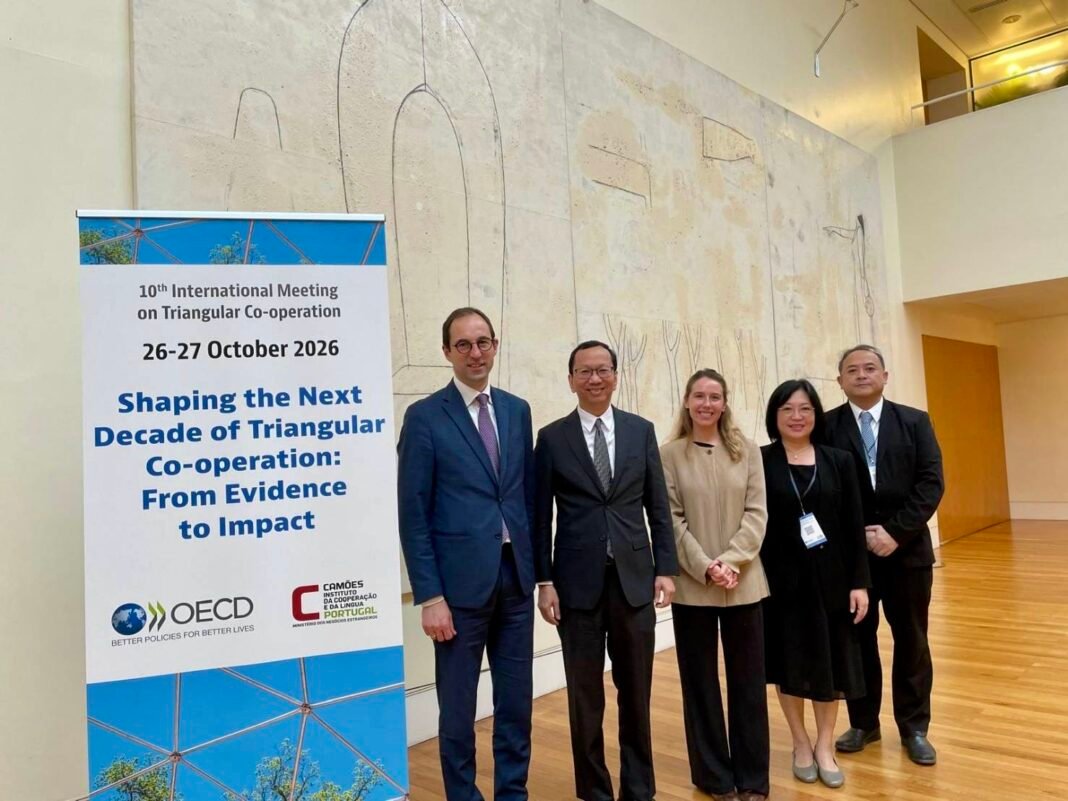
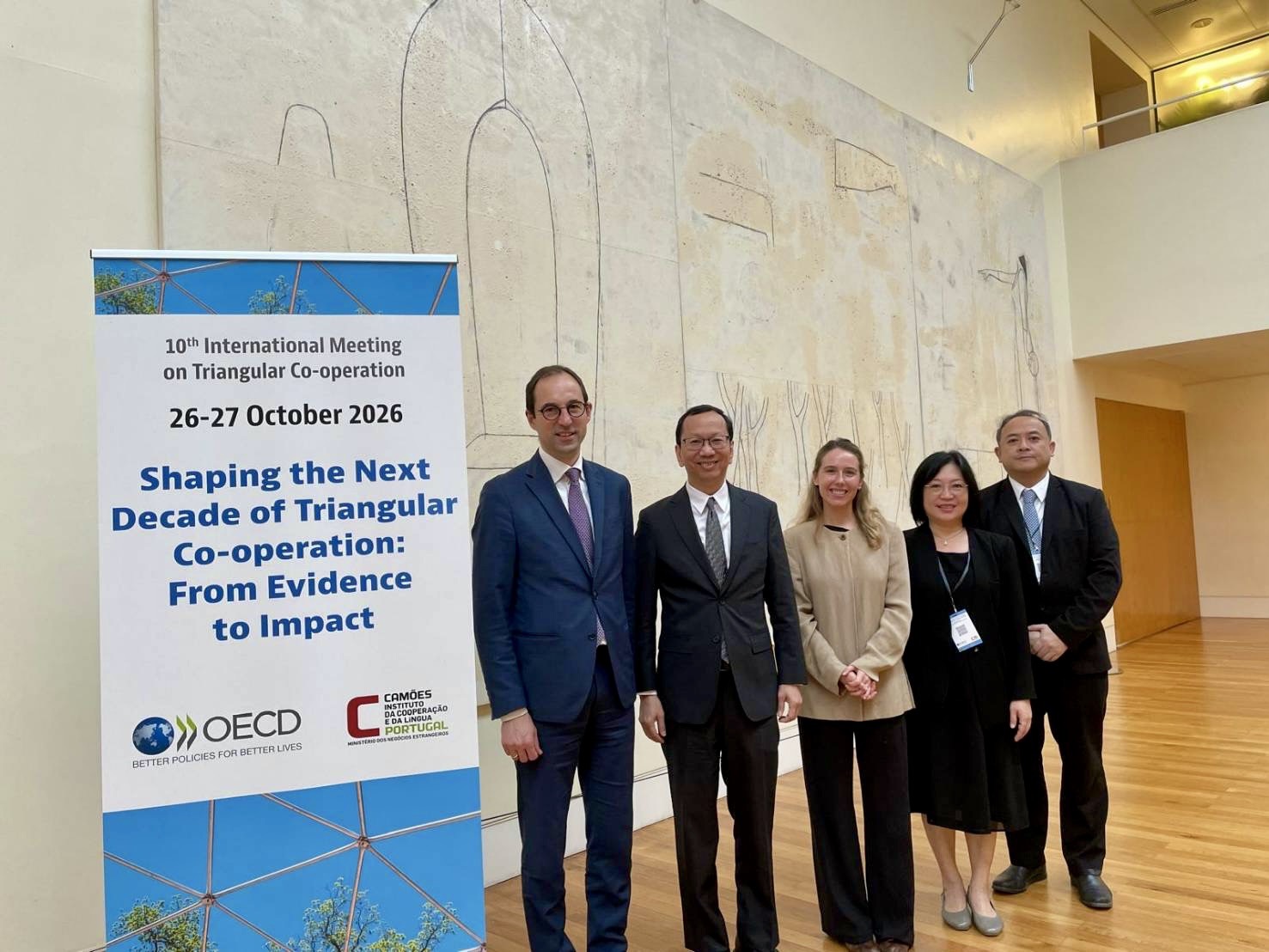
The official readout frames the trip as On 26 – 27 October 2026, Mr. Chulvat Narinthrangura, Director-General of the Thailand International Cooperation Agency (TICA), attended the 10th International Meeting on Triangular Cooperation under the theme “Shaping the Next Decade of Triangular Cooperation: From Evidence to Impact” in Lisbon, Portugal. The statement does not mention the number of participants, but indicates over 300 representatives from development cooperation agencies and international organizations were present. This event, organized by Camões – Instituto da Cooperação e da Língua, I.P., Ministry of Foreign Affairs of Portugal and the OECD Development Cooperation Directorate (DCD), aimed to provide recommendations on the future direction of trilateral cooperation and develop tools for assessing participation and support from traditional donor countries. The meeting focused on leveraging evidence-based approaches to improve the effectiveness of international development initiatives.
Background
Prior to this meeting, the Ministry of Foreign Affairs had outlined the “20-Year ‘5S’ Foreign Affairs Masterplan,” a framework for Thailand’s engagement with the international community. This plan, as of 31 October 2026, prioritizes Security, Stability, Sustainability, Strategic Partnerships, and Soft Power. The TICA, under the leadership of Mr. Narinthrangura, plays a key role in implementing this masterplan, particularly through its triangular cooperation initiatives. The statement does not mention previous engagements within the framework of this masterplan, but highlights the ongoing efforts to foster collaboration with international partners.
Analysis
The attendance of Mr. Narinthrangura at this meeting, and his subsequent discussions, suggests a strategic recalibration within Thailand’s foreign policy approach. The stated theme of “Shaping the Next Decade of Triangular Cooperation” indicates a recognition of the need to adapt to evolving global dynamics. The invitation to speak on “Towards the Next Era of Triangular Cooperation in a Fragmented Global Order” suggests a concern regarding the shifting landscape of international relations and the potential challenges to traditional cooperation models. The discussions with Mr. Sachin Kumar Sharma, Director-General of the Research and Information System for Developing Countries of India, point to a desire to explore new avenues for collaboration, particularly in the context of a potentially more fragmented global order. The agreement to jointly develop a three-year action plan demonstrates a commitment to practical outcomes and sustained engagement.
Implications
For policymakers, this meeting and associated discussions have implications for Thailand’s development strategy. The focus on evidence-based approaches and the development of assessment tools will likely influence the criteria used to evaluate future cooperation projects. The discussions with the OECD DCD, particularly regarding the reporting system, could lead to greater transparency and accountability in Thailand’s international development assistance. Regionally, this engagement aligns with Thailand’s broader efforts to strengthen relationships with key partners, including India. The potential for trade and investment opportunities arising from these collaborations remains a significant consideration.
Outlook
Should the visit yield a finalized three-year action plan with the OECD DCD, as agreed, it would represent a concrete step forward in implementing Thailand’s foreign policy priorities. If the discussions with India prove fruitful, the potential for increased technical assistance and knowledge sharing in areas of mutual interest could be realized. However, should the challenges of coordinating diverse perspectives and operationalizing the action plan prove significant, the impact of the meeting may be limited. The success of this initiative hinges on the ability of Thailand and its partners to effectively address the complexities of a fragmented global order.
Conclusion
The Director-General’s participation in the Lisbon meeting underscores Thailand’s continued engagement in shaping the future of international cooperation; however, the extent to which this translates into tangible policy outcomes remains to be seen.
Sources & Further Reading
- Official press release
- Foreign ministry source
- Vice Minister for Foreign Affairs attends the 52nd Session of the Council of Foreign Ministers (CFM) of the Organisation of Islamic Cooperation (OIC) (23 Oct 202)
- Director-General of the Department of European Affairs meets with representatives of the Ministry of Foreign Affairs and International Cooperation of Italy (21 Oct 202)
- Vice Minister for Foreign Affairs attends the United Nations International Day of Peace event (22 Sep 202)