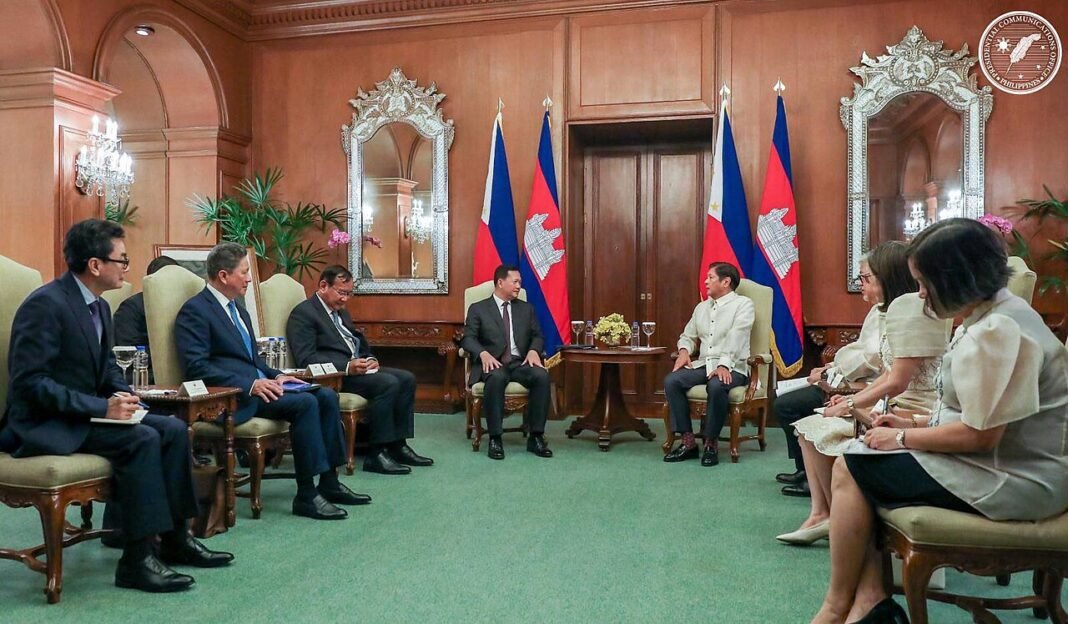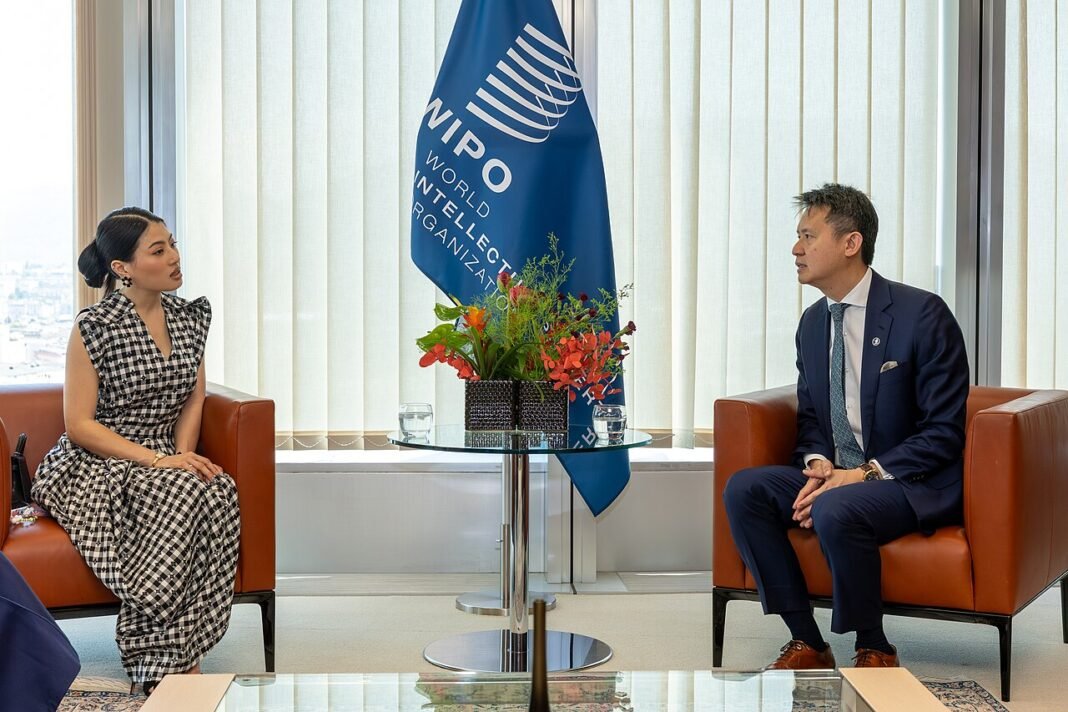
The Kingdom of Thailand’s diplomatic efforts are shifting focus with Deputy Prime Minister and Foreign Affairs Minister Sihasak Phuangketkeow accompanying Prime Minister Anutin Charnvirakul on an official visit to the Republic of Indonesia, scheduled from 3 – 4 August 2026 (the statement does not mention dates). This move, framed as a customary ASEAN tradition, represents the Prime Minister’s inaugural state visit to Jakarta at the invitation of Indonesian President Prabowo Subianto. The significance lies in the stated intent to “discuss ways forward in bilateral cooperation in all areas,” reflecting a strategic realignment within Thailand’s broader foreign policy calculations.; see the full statement.

Background
The statement indicates this visit occurs within the context of established ASEAN protocols, highlighting its importance as a first official engagement for Prime Minister Charnvirakul. The “20-Year ‘5S’ Foreign Affairs Masterplan” – the overarching strategic document guiding Thailand’s diplomatic endeavors – prioritizes security cooperation and economic partnerships; this visit appears to be an early step in operationalizing that plan. The establishment of a “Roadmap on Strategic Partnership 2026 – 2030” further underscores the intent to move beyond general statements towards concrete, actionable objectives. The statement does not mention prior meetings or agreements between the two nations.
Analysis
The core of this visit centers around a deliberate effort to address concerns regarding regional security, particularly transnational crime. The inclusion of “security” as one of the key discussion areas alongside “combatting transnational crime” suggests Thailand is seeking to elevate its strategic dialogue with Indonesia on issues beyond traditional trade and investment. The co-chairing of the ‘2nd Leaders’ Consultation’ with President Subianto signals a desire for deeper engagement, potentially reflecting anxieties regarding regional security dynamics or evolving geopolitical alignments. The announcement of a “Roadmap” implies a commitment to translating discussions into tangible outcomes – a necessary step given Thailand’s historically cautious approach to formalizing long-term strategic partnerships. The visit also highlights the importance of “people-to-people relations” and “regional cooperation within ASEAN,” suggesting an effort to foster broader engagement beyond purely transactional considerations.
Implications
This visit carries significant implications for regional stability, particularly concerning maritime security in Southeast Asia. The focus on “security” and “transnational crime” suggests a potential area of collaboration with Indonesia, a nation increasingly asserting itself as a key player within the ASEAN framework. If implemented as described, the ‘Roadmap’ could reshape Thailand’s trade and investment strategies, potentially leading to increased engagement with Indonesian markets. Furthermore, the announcement of a “Future of ASEAN” speech at the ASEAN Secretariat indicates a potential role for Thailand in shaping the organization’s trajectory – a position that requires careful navigation given evolving regional power dynamics. The statement does not address the potential impact on existing security alliances or partnerships.
Outlook
Should the visit yield an agreed-upon ‘Roadmap,’ the success of this initiative hinges on Thailand’s ability to translate commitments into concrete action. If the Indonesian government demonstrates a willingness to collaborate on maritime security initiatives, it could represent a significant step forward in addressing shared challenges. Should Indonesia continue to prioritize its own strategic interests – particularly within the context of growing regional assertiveness – the ‘Roadmap’ may prove difficult to implement fully. The announcement of the “2026-2030 Strategic Partnership” suggests a long-term commitment, but the statement does not detail the mechanisms for monitoring progress or resolving potential disagreements.