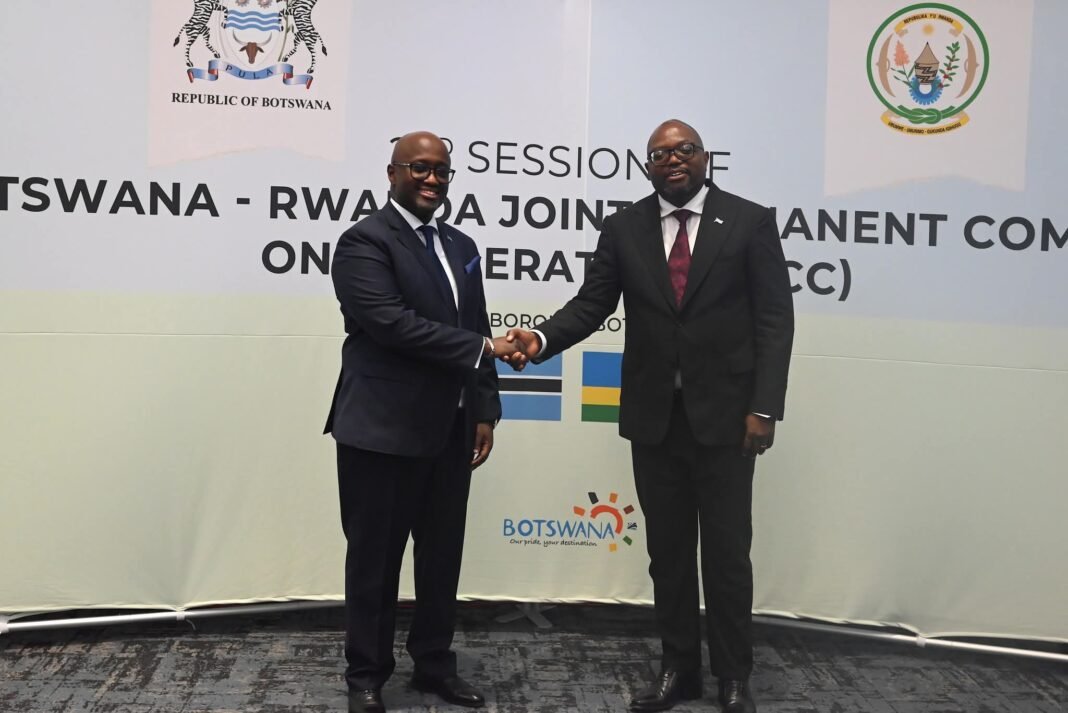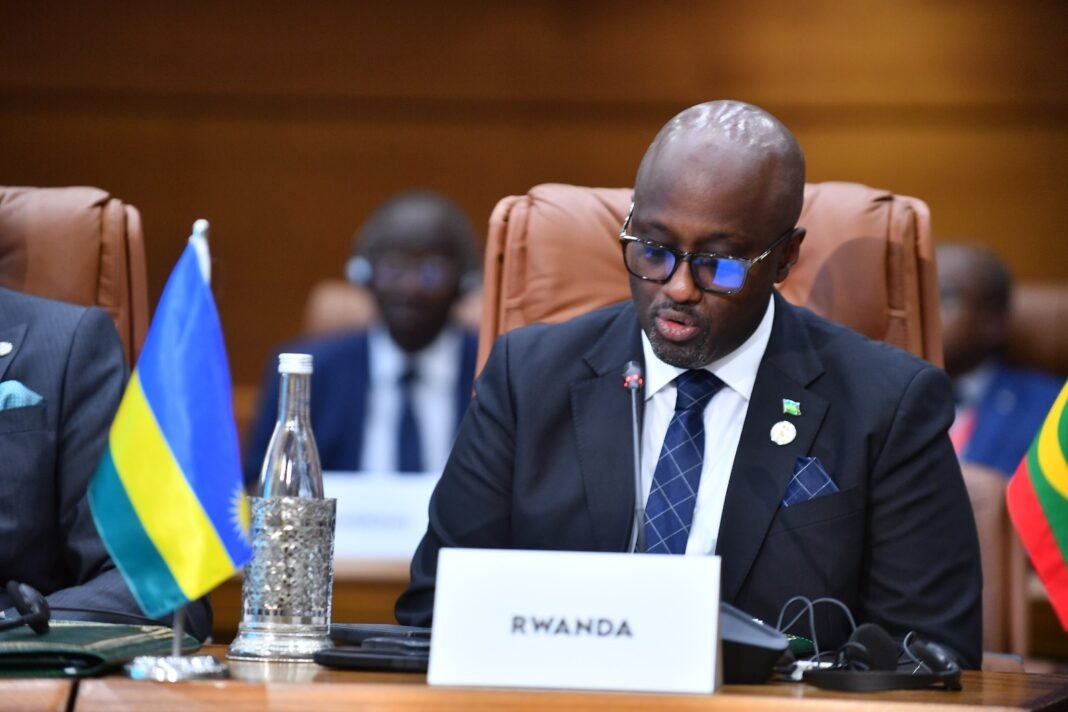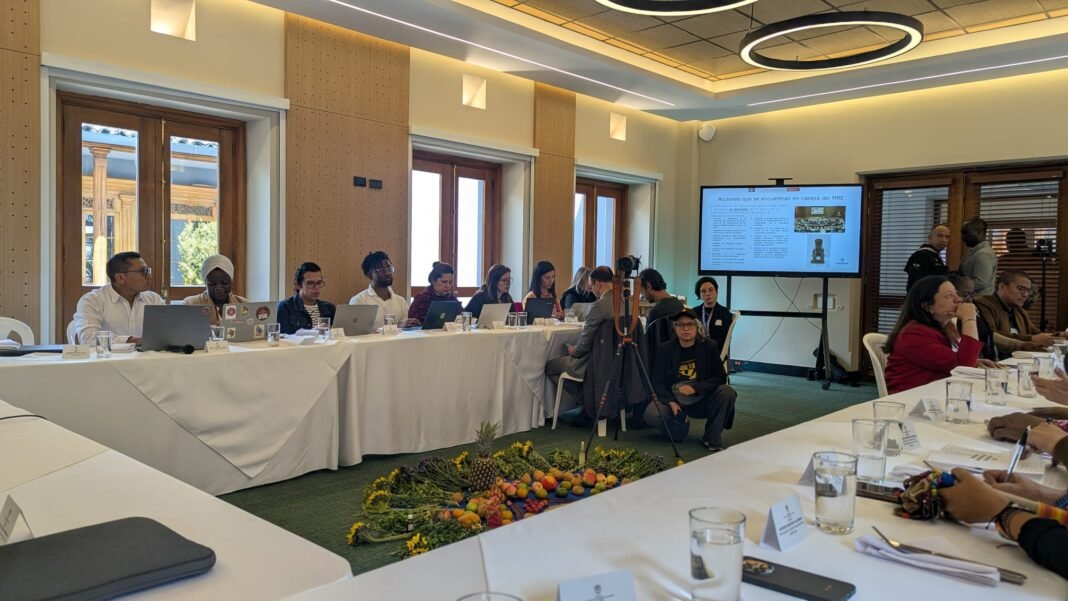
Bogotá D.C., August 3, 2026 – Colombia’s Ministry of Foreign Affairs presented a detailed account of its international agenda centered around historical repair, ethnic-racial justice, and anti-discrimination efforts during the VI Ministerial Session of the National Intersectorial Commission for Historical Reparation (CINRH). The statement highlighted the adoption of Resolution A/RES/78/323 by the United Nations General Assembly, proclaiming the International Day of Afrodescendant Women and Girls – a move that signals a significant investment in UN diplomacy but does not address Colombia’s own internal racial inequalities. This focus on global recognition represents a calculated effort to bolster its international standing and frame itself as a leader in addressing systemic injustice, however, it remains unclear how this strategy will translate into tangible improvements for Afro-Colombian communities within the country. — the full statement has further detail.

Background
The CINRH, established in 2024, represents Colombia’s primary institutional mechanism for coordinating national efforts toward historical repair. Prior to this session, the government had engaged in several bilateral dialogues with African nations – particularly those within the Community of Latin American and Caribbean States (CELAC) – focused primarily on trade and security cooperation. The statement does not mention specific timelines or funding mechanisms associated with these initiatives, instead emphasizing a broad “commitment” to international engagement.
Analysis
The Ministry’s strategy appears driven by several converging incentives. Domestically, the government faces sustained pressure from Afro-Colombian organizations demanding concrete action to address persistent discrimination and land dispossession – issues largely unaddressed in the statement. Internationally, Colombia seeks to leverage its growing diplomatic influence to shape global norms around racial justice. The adoption of Resolution A/RES/80/250 regarding the crime of enslavement – a symbolic victory – demonstrates an understanding of the importance of high-profile international statements, yet the government’s actions remain largely focused on external engagements. Critically, the statement does not address Colombia’s significant mineral wealth, which is disproportionately controlled by armed groups with deep ties to illicit networks and often exploiting Afro-Colombian communities, a key factor in enduring inequality.
Implications
This renewed diplomatic push carries implications for regional stability. Increased engagement with African nations – particularly through the CELAC-Africa forum – could provide Colombia with new avenues to counter insurgent groups operating along its borders. However, if this engagement is primarily symbolic and fails to translate into tangible security cooperation or economic investment, it risks bolstering these groups by providing them with legitimacy on a global stage. Furthermore, the government’s focus on international legal mechanisms, such as accepting Colombia’s obligation under Article 14 of the International Convention on the Elimination of All Forms of Racial Discrimination, could create further pressure to address domestic discrimination – a challenge that remains largely unaddressed.
Outlook
Should the visit to Africa yield increased security cooperation and trade opportunities, as the statement suggests, it would represent a significant step forward. However, if the diplomatic efforts remain primarily focused on symbolic gestures without corresponding domestic reforms – specifically addressing land rights and economic inequality within Afro-Colombian communities – the government’s initiative risks becoming a protracted exercise in public relations with limited practical effect. The government’s commitment to reparations hinges upon its ability to translate international recognition into tangible improvements for those most affected by historical injustices.
Conclusion
The Ministry of Foreign Affairs’ focus on global reparations presents Colombia with a long-term strategic gamble. The question remains: will the government’s commitment to international norms translate into meaningful change within its own borders, or will it remain a largely performative exercise in diplomacy?