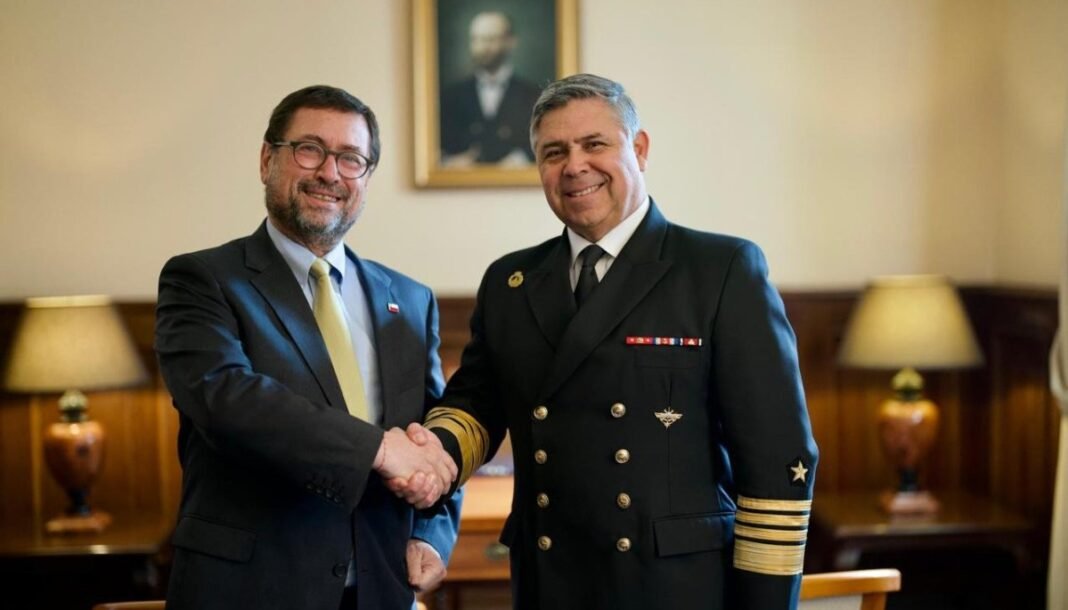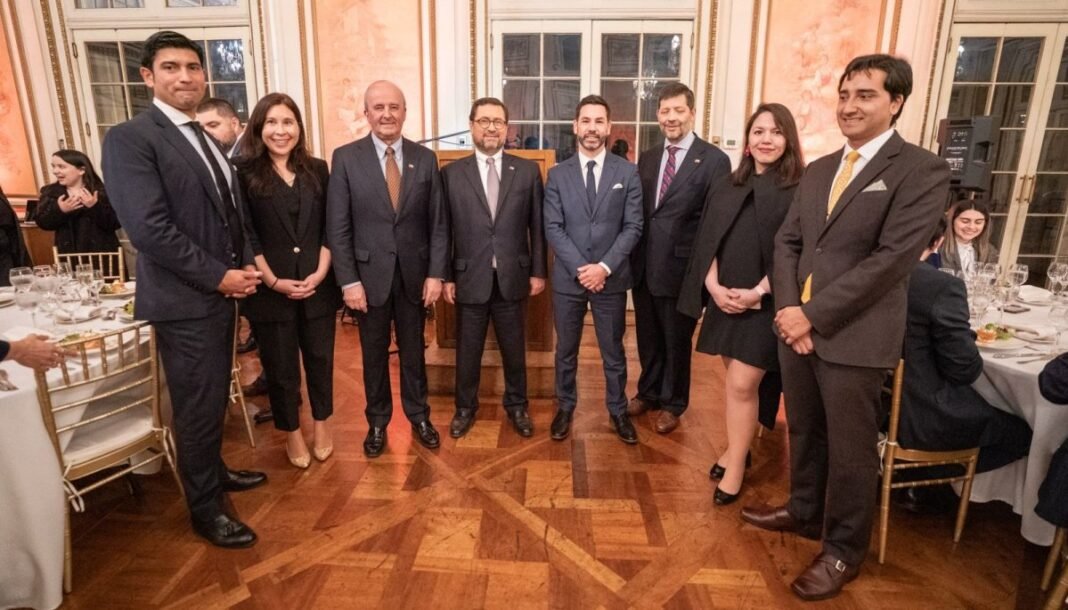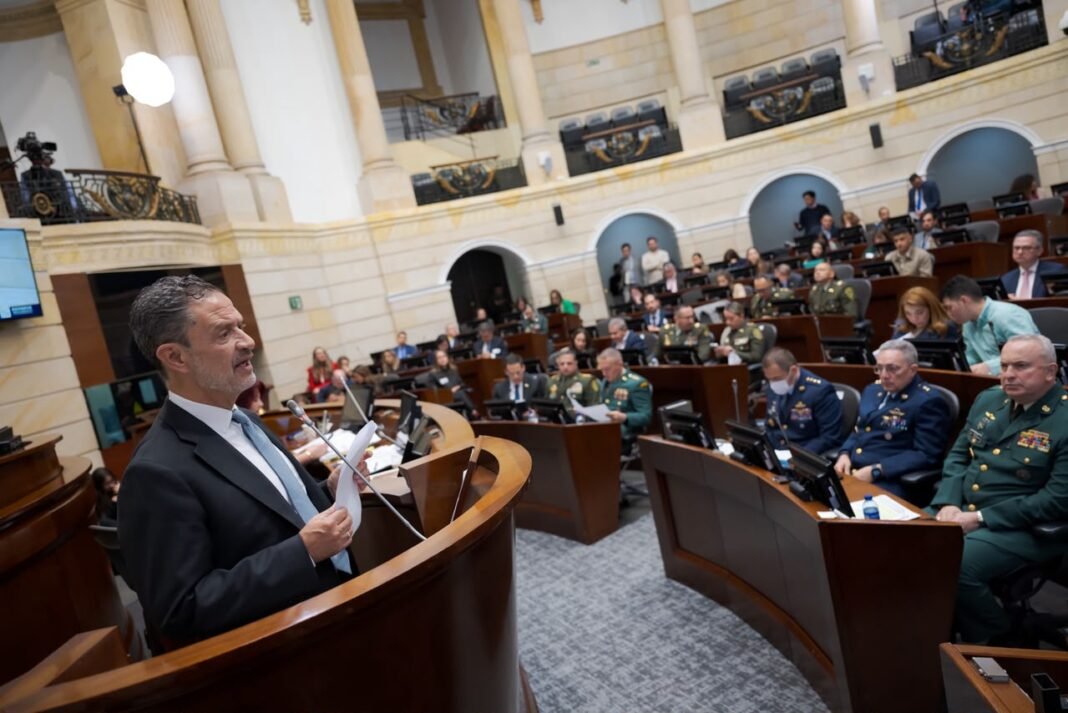
The foreign ministry readout describes Colombia’s Ministry of Foreign Affairs, led by Minister Omar Bula, presented before the Congress of the Republic six strategic goals that will guide the nation’s diplomatic action over the next several years. The statement does not address the specifics of the budget allocated to these initiatives. This new vision of foreign policy stems from the necessity to adapt Colombian diplomacy to the profound geopolitical, technological, and security changes the world currently faces. The statement does not mention the specific timeframe for the implementation of these goals.

Background
The statement does not provide a detailed timeline for the implementation of these strategic goals. However, it references the need for modernization within the Colombian diplomatic apparatus. Previous attempts to reform the Ministry of Foreign Affairs have been hampered by bureaucratic inertia and a lack of clear strategic direction. The release does not mention any prior meetings or agreements that led to the formulation of this new policy. The Ministry of Foreign Affairs’ current diplomatic efforts are rooted in a long-standing tradition of bilateral engagement with key regional partners, particularly within the framework of the Latin American Integration Association (LAIA). The statement does not mention any specific bodies or organizations that will be involved in the implementation of these goals. The Ministry of Foreign Affairs operates within a complex network of international relations, navigating relationships with the United States, the European Union, and various multilateral institutions.
Analysis
The six strategic goals outlined in the press release reflect a clear prioritization of national sovereignty and security. The emphasis on defending national borders and combating transnational crime suggests a response to perceived threats to Colombia’s territorial integrity and stability. The statement does not address the potential implications of this shift for Colombia’s relationship with external actors. The focus on “modernization” – incorporating digital tools and strengthening human talent – indicates a recognition of the evolving nature of diplomacy in the 21st century. If implemented as described, this strategy could significantly enhance Colombia’s ability to project its influence and protect its interests on the global stage. The prioritization of “strategic alliances” suggests a desire to recalibrate relationships with countries that share Colombia’s values and interests. The shift toward a more proactive economic and technological diplomacy reflects a recognition of the importance of attracting foreign investment and fostering innovation. The statement does not address the potential challenges associated with this shift, such as the need to overcome historical barriers to trade and investment.
Implications
The announcement has significant implications for regional stability. Colombia’s renewed commitment to combating transnational crime could strengthen cooperation with countries like Brazil and Venezuela, who also grapple with significant security challenges. The strengthening of “strategic alliances” could lead to closer ties with countries in the European Union and the United States. The shift toward a more assertive economic diplomacy could boost Colombian exports and attract foreign investment. The strategy could also have implications for Colombia’s relationship with China, as the country seeks to diversify its trade partners. The statement does not address the potential impact of these changes on Colombia’s trade relations with the European Union. The Ministry of Foreign Affairs’ efforts to strengthen its diplomatic presence abroad could lead to increased engagement in international forums and organizations.
Outlook
Should the visit yield the desired outcome of increased cooperation with regional partners, Colombia will be able to more effectively address transnational threats. If the Ministry of Foreign Affairs successfully implements its digital diplomacy strategy, Colombia could become a more influential player in the global arena. If the Ministry of Foreign Affairs is able to secure new trade agreements, Colombia could boost its economic growth. If the Ministry of Foreign Affairs fails to secure adequate funding for its diplomatic initiatives, the implementation of these goals could be hampered. The statement does not address the potential risks associated with this new approach, such as the possibility of strained relations with countries that oppose Colombia’s foreign policy objectives.