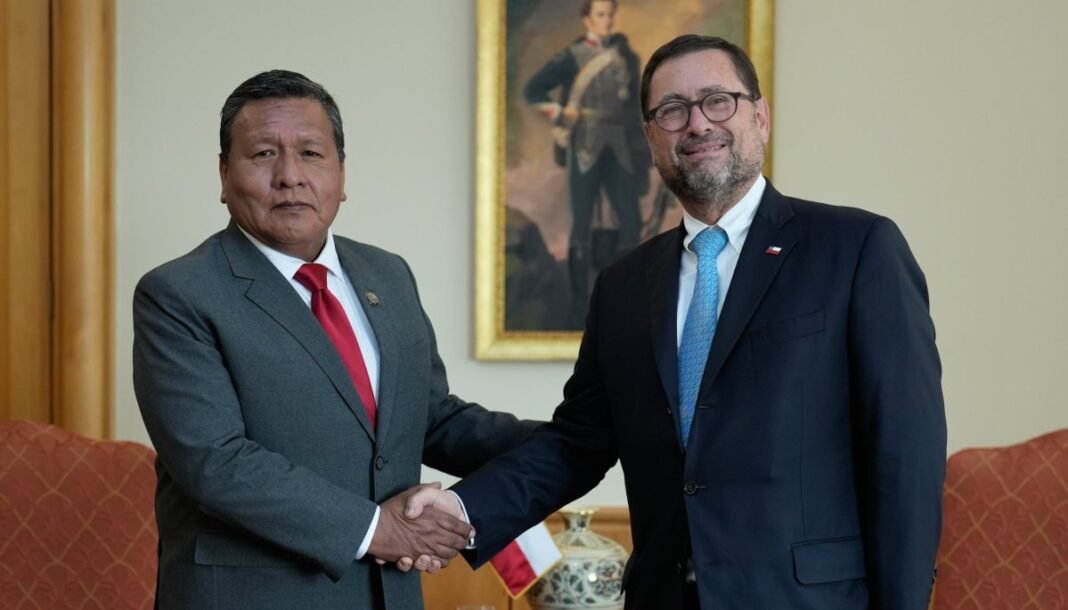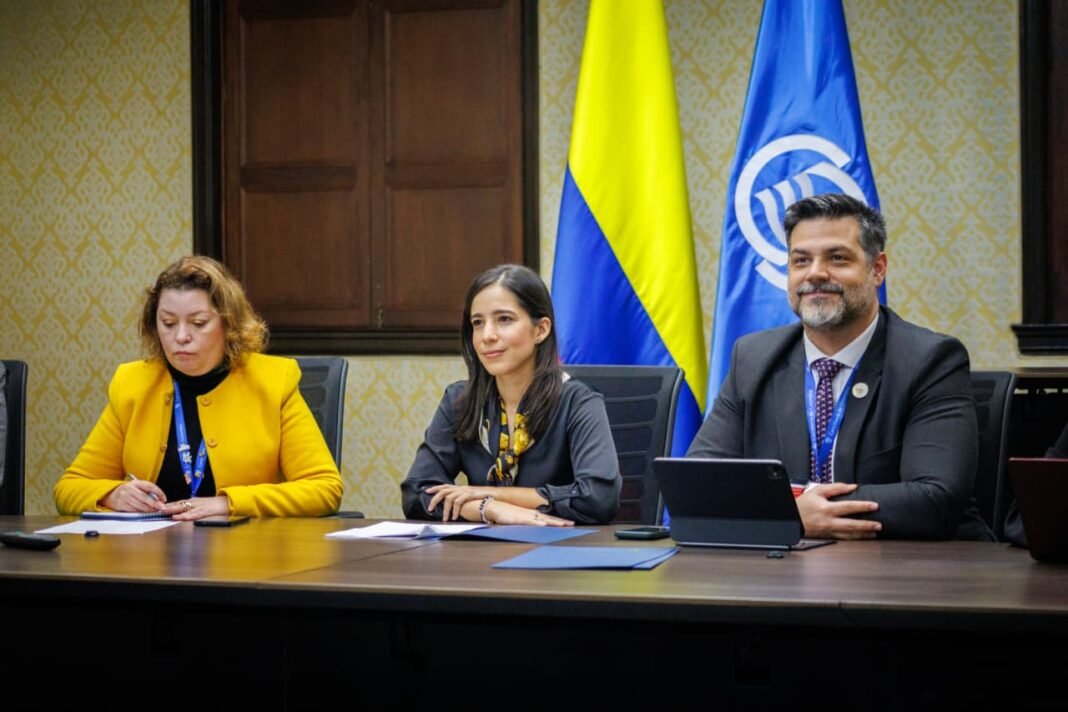
As set out in a formal announcement, Bogotá, 8 October 2026. Colombia reaffirmed its commitment to strengthening cooperation in the Wider Caribbean during a high-level bilateral meeting between the Under-Secretary of Multilateral Affairs, Daniella Restrepo, and the Secretary General of the Association of Caribbean States (ACS), Noemí Espinoza. The meeting allowed for a review of opportunities to deepen joint work for the benefit of the region’s countries. With over 311 million inhabitants, close to 10% of the world’s coral reefs and 40% of global cruise traffic, the Wider Caribbean constitutes a strategic region for trade and mobility.

Background
The Association of Caribbean States (ACS) plays a fundamental role in articulating regional efforts aimed at addressing common challenges and promoting stronger cooperation between its member states. The statement does not mention prior meetings. The current meeting builds upon Colombia’s 2024-2025 presidential leadership of the ACS Council of Ministers. The Centre Joint de Recherche Océanographique Caraïbe-ACS (JROCAC), based in Santa Marta, represents a significant advancement for the region, as highlighted by the ACS Secretary General. The statement does not address the number of member states of the ACS.
Analysis
Colombia’s focus on deepening engagement within the Wider Caribbean reflects a recognition of the region’s strategic importance and the interconnected challenges it faces. The ACS plays a crucial role in facilitating this cooperation, particularly in areas such as scientific diplomacy, combating transnational crime, and addressing the global drug problem. The stated intention to bolster resilience and disaster response capabilities aligns with growing concerns regarding the increasing frequency and intensity of natural disasters impacting Caribbean nations. The move to Barranquilla as a secondary venue for meetings indicates a prioritization of engagement with key regional partners. The emphasis on resource mobilization and strategic alliances suggests a desire to leverage external support to address complex, interlinked challenges.
Implications
The deepened collaboration with the ACS has significant implications for regional stability. The focus on combating transnational crime and drug trafficking could strengthen security cooperation across the Caribbean. Furthermore, the shared commitment to disaster resilience, bolstered by Colombia’s technical expertise, could improve the region’s ability to respond to climate-related events. The potential expansion of trade and investment opportunities, linked to the JROCAC, could stimulate economic growth and diversification within the Wider Caribbean. The increased focus on diplomatic engagement could strengthen Colombia’s role as a bridge between the Americas and the Caribbean.
Outlook
Should the visit yield further agreement on bolstering the ACS’s project portfolio, the Colombian government will likely continue to advocate for increased resource allocation. If the expansion of the JROCAC proves successful, it could lead to a greater flow of scientific knowledge and technological innovation within the region. Should Colombia maintain its vice-presidency role within the ACS, it will likely continue to champion the organization’s objectives, particularly regarding sustainable resource management and regional integration. The statement does not address the potential for Colombia to increase its contributions to the ACS’s operational budget.
Conclusion
The renewed commitment to the Wider Caribbean, as articulated by Colombia and the ACS, underscores the enduring importance of regional cooperation in addressing shared vulnerabilities. The challenge now lies in translating these intentions into tangible outcomes—specifically, ensuring that investments in disaster resilience and sustainable resource management deliver measurable benefits to the communities of the Caribbean.