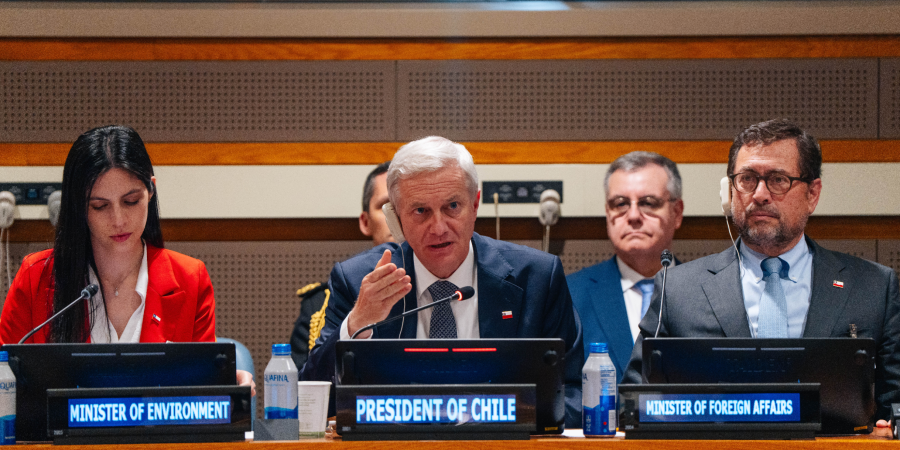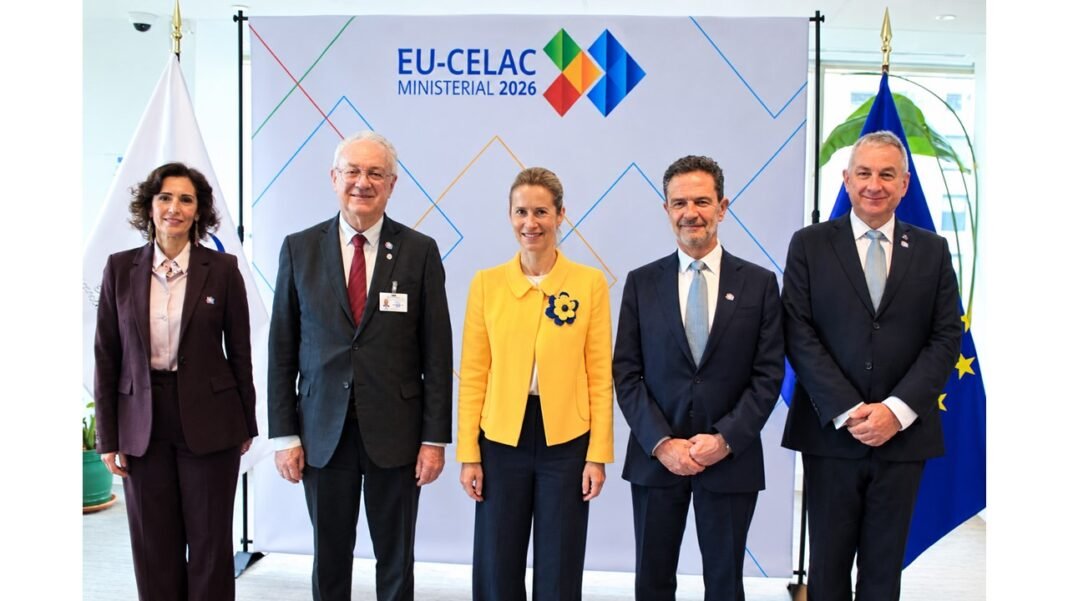
Details in a press release show that The Minister for Foreign Affairs, Omar Bula Escobar, called for strengthening cooperation between Latin America and the Caribbean and the European Union (EU) to face transnational organized crime, during the CELAC-EU Foreign Ministers Meeting held in New York. This action, detailed in a press release dated 23 September 2026, matters because it signals Colombia’s renewed commitment to confronting a persistent challenge – organized crime that operates beyond national borders – and highlights the urgent need for a coordinated regional response. The statement does not address the specific resources allocated to this effort.

Background
The CELAC-EU Meeting, held at the margins of the 81st General Assembly of the United Nations, brought together foreign ministers from CELAC member countries and EU ministers and high-ranking officials. This event builds upon previous agreements, particularly the 2026-2027 CELAC-EU Strategic Route, which prioritizes multilateralism, trade and investment, and the fight against transnational organized crime. The ministry’s call for deeper cooperation aligns with a broader trend of Latin American nations seeking to bolster their security partnerships with Europe, particularly in the face of increasing threats. Prior to this meeting, in March the ministry stated Colombia would strengthen its relationship with Israel to expand security and intelligence cooperation. This suggests a recognition of the evolving nature of criminal networks and the need for enhanced international collaboration. The ministry and Korea also strengthened their strategic association in September 10th, 2026, focusing on trade, cooperation, and technological modernization. The statement does not address the specific mechanisms for this cooperation.
Analysis
Colombia’s stance is driven by a clear strategic imperative: to combat transnational organized crime, a priority for the hemisphere. The focus on strengthening police and judicial cooperation, information exchange, combating illicit financial flows, and securing borders and strategic corridors reflects a pragmatic assessment of the problem. The minister’s intervention highlights the need to address criminal structures operating beyond national borders. This suggests a recognition of the evolving nature of criminal networks and the need for enhanced international collaboration. The statement does not address the potential challenges associated with integrating EU security standards and practices into Colombia’s existing legal framework. The stakes are high: failure to effectively address transnational crime could undermine Colombia’s security, stability, and economic development. The initiative is further complicated by differing priorities between the CELAC and EU partners, potentially leading to disagreements over approaches and resources.
Implications
For policymakers, this renewed emphasis on CELAC-EU cooperation signals a potential shift in Colombia’s foreign policy orientation, moving beyond traditional bilateral partnerships to embrace broader regional security alliances. Should the visit yield results, this could bolster regional stability by disrupting criminal networks and strengthening border security. The initiative has implications for trade and investment, potentially opening up new markets and investment opportunities within the EU. However, the success of this cooperation hinges on the ability of both sides to overcome logistical and political hurdles. The statement does not address the potential impact on Colombia’s relations with other regional partners, such as the United States.
Outlook
If the visit yields concrete agreements on information sharing and joint operations, the ministry could then push for increased EU investment in Colombia’s border security infrastructure. Should the EU demonstrate a willingness to provide technical assistance and training to Colombian law enforcement agencies, this could significantly enhance the country’s capacity to combat transnational crime. The statement does not address the timeline for implementing these agreements or the potential for disagreements over priorities. Further, should the EU continue to prioritize human rights concerns, this could create friction with Colombian authorities over investigative techniques and judicial processes.
Conclusion
The renewed focus on CELAC-EU cooperation represents a significant step, but ultimately, the ability of Colombia to translate this commitment into tangible results will depend on the willingness of both sides to overcome logistical and political obstacles. The question remains: can Colombia effectively leverage its strategic position to drive a truly collaborative approach to tackling transnational organized crime, or will this initiative become another iteration of bilateral engagement?
Sources & Further Reading
- Official press release
- Foreign ministry source
- Colombia fortalecerá su relación con Israel para ampliar la cooperación en seguridad e inteligencia (2026-09-16)
- Colombia y Corea fortalecen su asociación estratégica con una agenda centrada en comercio, cooperación y modernización tecnológica (2026-09-10)
- Colombia y el UNFPA consolidan alianza estratégica para explorar nuevas vías de cooperación (2026-09-18)