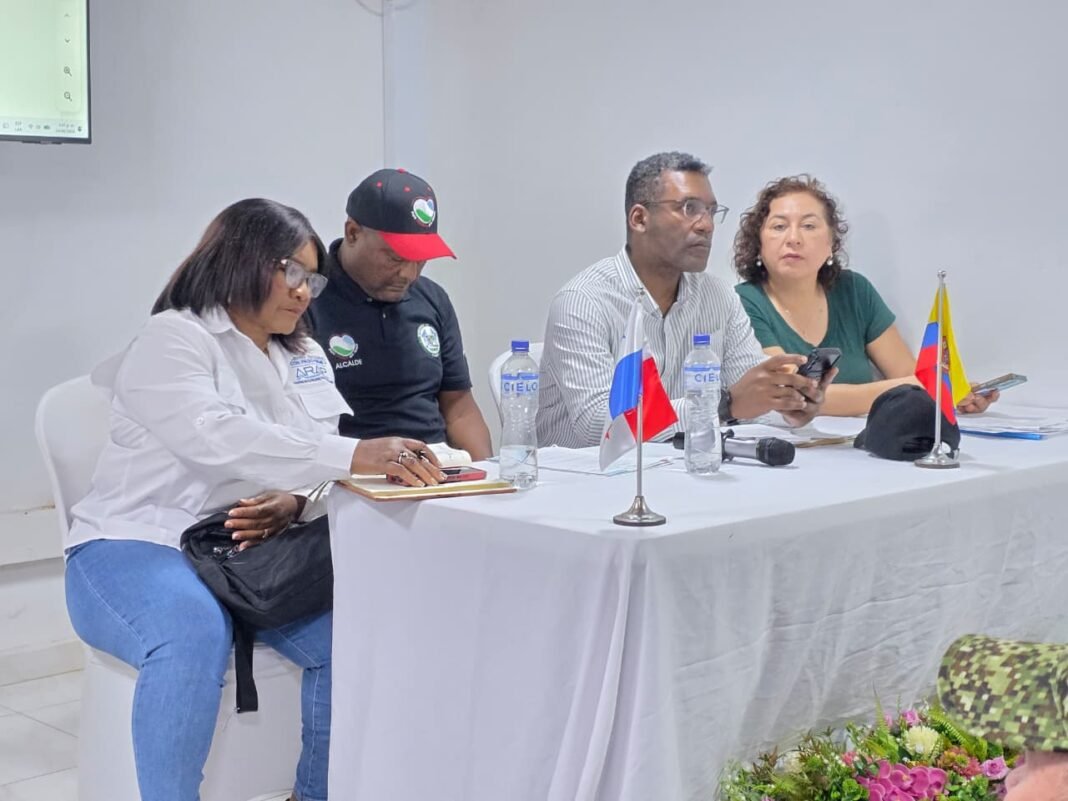
Reporting in a government statement, On August 24th, 2026, in Juradó (Chocó), a technical and institutional meeting took place between Colombian and Panamanian authorities to bolster artisanal fishing within the border zone. This event, detailed in a press release from Colombia’s Ministry of Foreign Affairs, represents a formal step in the Colombian-Panamanian Commission of Neighboring Relations.

Background
The meeting involved representatives from the Autoridad de los Recursos Acuáticos de Panamá (ARAP) and the Autoridad Nacional de Acuicultura y Pesca de Colombia (AUNAP). The Colombian Ministry of Foreign Affairs facilitated this encounter, aligning with established integration mechanisms between the two nations. This initiative builds upon existing agreements for cooperation within the Commission of Neighboring Relations, a framework designed to manage shared resources and address border issues.
The focus of the meeting was on constructing a joint agenda aimed at fostering socio-economic development, strengthening productive capabilities, and expanding commercial opportunities for fishing communities in both countries. The press release highlights that this is part of a broader effort to consolidate actions toward sustainable community wellbeing within the transboundary region.
Analysis
The core objective of this collaboration – as stated by the Ministry – is to promote economic development and strengthen productive capacity for fishing communities. However, the press release does not address the underlying tensions surrounding maritime territorial claims along the border, nor does it detail specific mechanisms for resolving potential disputes. The emphasis on “development” suggests a prioritization of economic benefits over addressing security concerns that have historically fueled friction between the two nations.
The participation of ARAP and AUNAP indicates a shared recognition of the importance of this sector to both economies. The agreement’s focus on “opportunities” implies an attempt to leverage fishing as a catalyst for broader regional integration, potentially attracting investment and stimulating local markets. Nevertheless, the statement does not address the potential impact of this cooperation on existing security dynamics in the area.
Implications
This agreement carries significant implications for Colombia’s strategy within the region. By formalizing cooperation with Panama on fisheries development, Colombia demonstrates a commitment to regional integration and seeks to mitigate potential tensions related to maritime access and resource management. The initiative could strengthen bilateral ties and foster greater confidence between the two countries.
However, the agreement’s limited scope – specifically focused solely on artisanal fishing – raises questions about its long-term impact. Should this cooperation yield positive results in terms of economic development, it could potentially reduce incentives for illicit activities such as illegal fishing and smuggling, which have historically plagued the border region.
Outlook
If implemented as described, the agreement’s success hinges on effective coordination between ARAP and AUNAP, alongside sustained investment in infrastructure and training for local communities. Should this cooperation be genuinely successful in generating economic opportunities within the transboundary region – as the Ministry hopes – it could contribute to a more stable border environment.
Should the collaboration fail to deliver tangible benefits, particularly in terms of increased income and improved livelihoods for fishing families, the underlying tensions surrounding maritime boundaries are likely to persist. The statement does not address the potential for future disagreements or the need for alternative mechanisms to manage competing claims.
Conclusion
The Juradó meeting represents a cautious step toward bolstering economic cooperation between Colombia and Panama, but it remains unclear whether this initiative will fundamentally shift the dynamics of border relations. The focus on artisanal fishing offers limited leverage in addressing the deeper security concerns that continue to shape the region’s geopolitical landscape.