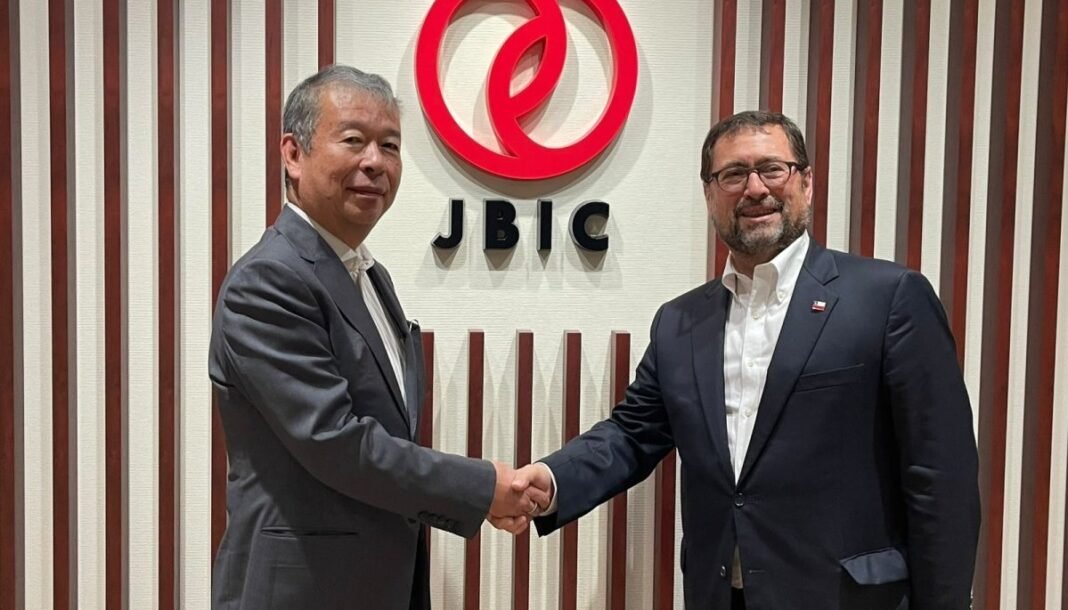
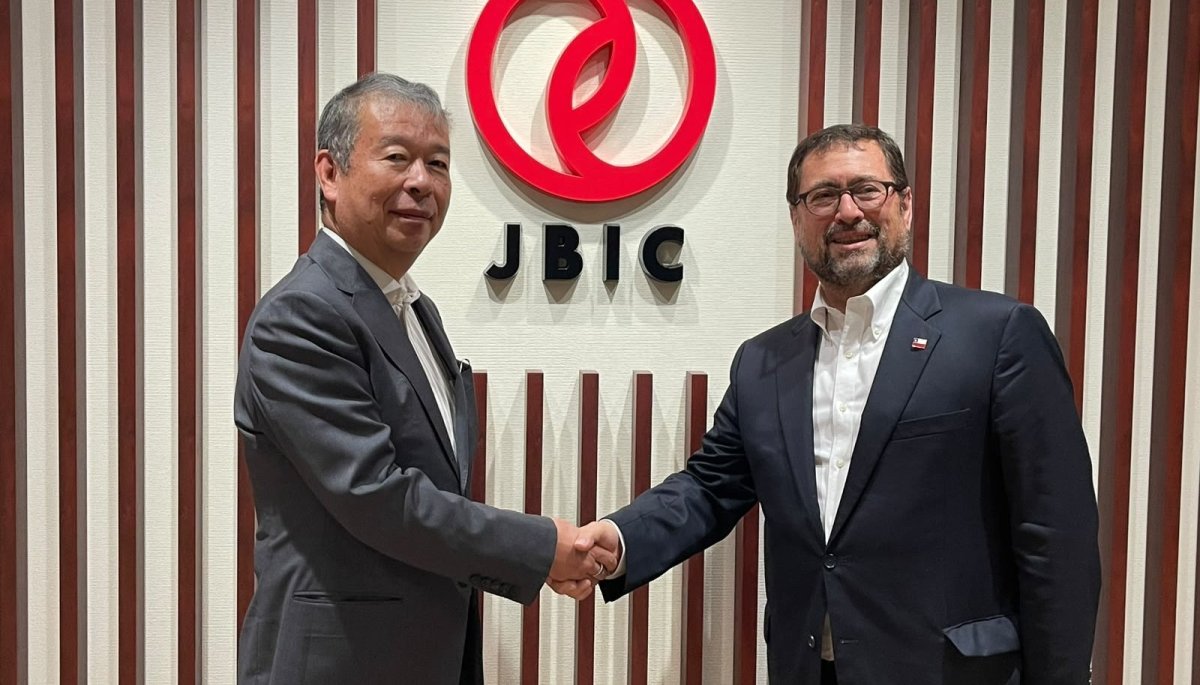
As set out in a formal announcement, The Minister of Foreign Affairs, Francisco Pérez Mackenna, met this Wednesday with the Governor of the Bank of Cooperation International of Japan (JBIC), Kazuhiko Amakawa. The meeting, occurring alongside ongoing discussions regarding Chile-Argentina relations, underscores a key element of Chile’s evolving foreign policy strategy within the context of Latin American engagement.
Background
JBIC is a public financial institution dedicated to promoting Japan’s development and international projection. Its focus includes providing stable access to critical resources and energy, preserving the environment, decarbonization, and the energy transition. The bank maintains an extensive investment portfolio in Chile, recognizing the country as a strategically important market within Latin America. This strategic positioning is reinforced by ongoing bilateral dialogues—specifically, the VII Meeting of the Permanent Consultation System between Chile and Argentina—and the simultaneous focus on facilitating Chilean exports through engagement with Japan’s Ministry of State for Economy, Commerce and Industry.
Analysis
The meeting’s timing is notable. It coincides with increased global attention on securing stable supplies of critical minerals – a sector where Chile possesses significant reserves. The statement does not address the specific mineral focus of the discussions, but the JBIC’s broader mandate—particularly its emphasis on energy and decarbonization—strongly suggests an alignment of interests regarding Chile’s burgeoning renewable energy sector. If implemented as described, this collaboration could provide crucial financing for large-scale projects focused on solar and wind power generation. The simultaneous engagement with Japan’s Ministry of State highlights a deliberate effort to diversify investment opportunities beyond traditional extractive industries.
Implications
The deepened relationship between Chile and JBIC carries implications for regional stability, particularly regarding energy security within Latin America. Increased Japanese investment in renewable infrastructure could accelerate Chile’s transition away from fossil fuels, aligning with international climate commitments – though the statement does not address specific emissions reduction targets. Moreover, this engagement potentially strengthens Chile’s position as a key trading partner with Japan, fostering greater access for Chilean exports and encouraging further Japanese investment within the country.
Outlook
Should the visit yield concrete agreements regarding financing for renewable energy projects – specifically those focused on lithium extraction and processing alongside solar and wind development – it would represent a significant step forward. If the JBIC continues to prioritize investments in Chile’s critical minerals sector, this could bolster economic growth while simultaneously supporting Japan’s own supply chain security concerns. However, given the inherent complexities of large-scale infrastructure projects and the potential for geopolitical shifts, success hinges on maintaining consistent dialogue and addressing any emerging challenges related to environmental safeguards and community engagement – areas the statement does not address.
Conclusion
The meeting between Pérez Mackenna and Amakawa presents a pivotal moment in Chile’s foreign policy. The question remains: will this deepening collaboration translate into tangible investment that genuinely catalyzes Chile’s energy transition, or merely reinforce existing patterns of resource extraction?