
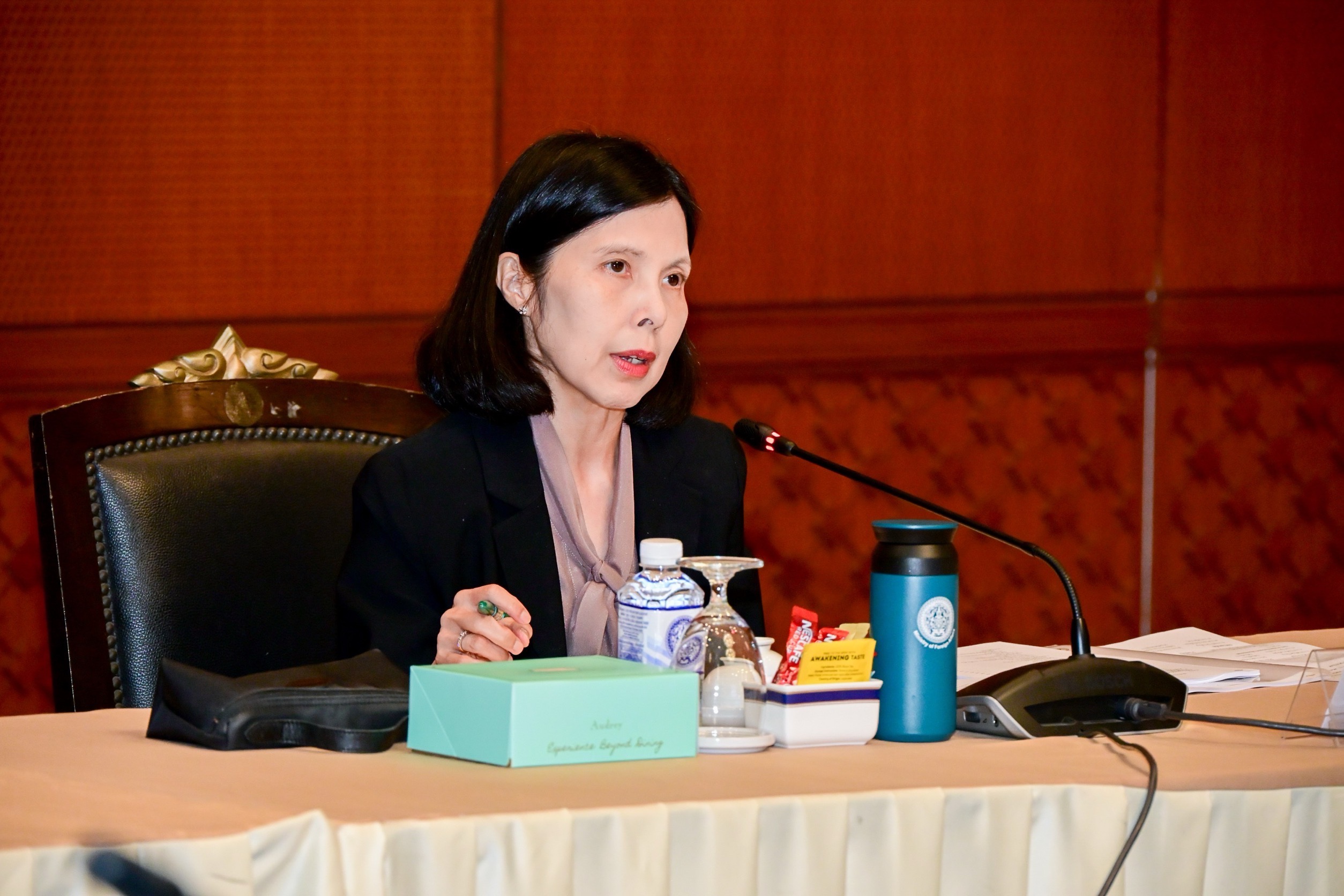
The official readout frames the trip as On 14 July 2026, Ms. Pinsuda Jayanama, Director-General of the Department of International Organizations, chaired the meeting of the National Committee on the Implementation of Recommendations under the Universal Periodic Review (UPR) Mechanism of the Human Rights Council (HRC). The meeting was attended by representatives of relevant agencies and human rights experts who are members and advisors of the National Committee. This event marks a key step in Thailand’s ongoing engagement with the international community’s scrutiny of its human rights record. The significance lies in the UPR’s role as a mandatory review process, requiring all UN Member States to address concerns raised by other nations regarding their human rights practices.
Background: The Universal Periodic Review (UPR) is a mechanism under the Human Rights Council through which all 193 United Nations Member States prepare and submit a national report on their human rights situation to the Office of the United Nations High Commissioner for Human Rights every four and a half years. Thailand has participated in this process since its initial submission of three national reports and three mid-term reports, dating back to the first review cycle. The current fourth cycle is scheduled for presentation at the 53rd session of the UPR Working Group in November 2026. The Ministry’s focus on a timeline for submission – August 2026 – and reviewing draft recommendations highlights a deliberate process, potentially indicative of a strategic response to anticipated criticisms. The statement does not address the specific human rights concerns raised by other nations during previous review cycles.
Analysis: The Committee’s actions—taking note of progress and reviewing a draft report—suggest an emphasis on procedural compliance rather than substantive engagement with human rights issues. This approach may be driven by a desire to minimize potential criticism and maintain diplomatic relations, particularly given Thailand’s ongoing membership within the UN Human Rights Council. The timeline for submitting the finalized report – August 2026 – indicates a prioritization of meeting deadlines over potentially addressing complex or contentious recommendations. If implemented as described, this suggests a cautious strategy designed to avoid drawing significant attention to areas where Thailand’s human rights record has faced scrutiny. The fact that the committee is reviewing a draft report further reinforces the notion that the Ministry is seeking to shape the narrative before it reaches the broader international stage.
Implications: The UPR process, and Thailand’s participation within it, holds implications for Thailand’s standing within the global human rights community. A thorough and responsive engagement with the recommendations could enhance Thailand’s reputation as a responsible state. However, if Thailand continues to prioritize procedural compliance over substantive reforms, it risks further isolating itself from international norms and potentially facing increased scrutiny and pressure from other UN member states. The UPR process does not directly impact trade agreements or security alliances; however, sustained concerns about human rights could indirectly influence diplomatic relations and strategic partnerships.
Outlook: Should the visit yield a timely submission of the draft report in August 2026, Thailand will likely continue its current approach to the UPR. If the Office of the United Nations High Commissioner for Human Rights (OHCHR) expresses significant concerns regarding the draft, Thailand may be compelled to reconsider its strategy and engage more directly with human rights issues – a scenario that could ultimately delay the presentation of the final report. Should the November 2026 presentation be delayed due to continued internal review, it suggests a lack of preparedness and potentially undermines Thailand’s commitment to transparency and accountability within the UPR framework.
Conclusion: The Ministry’s measured approach to the fourth cycle UPR highlights a cautious strategy regarding human rights engagement – one that leaves open the question of whether Thailand is truly prepared for comprehensive scrutiny by its international peers.