
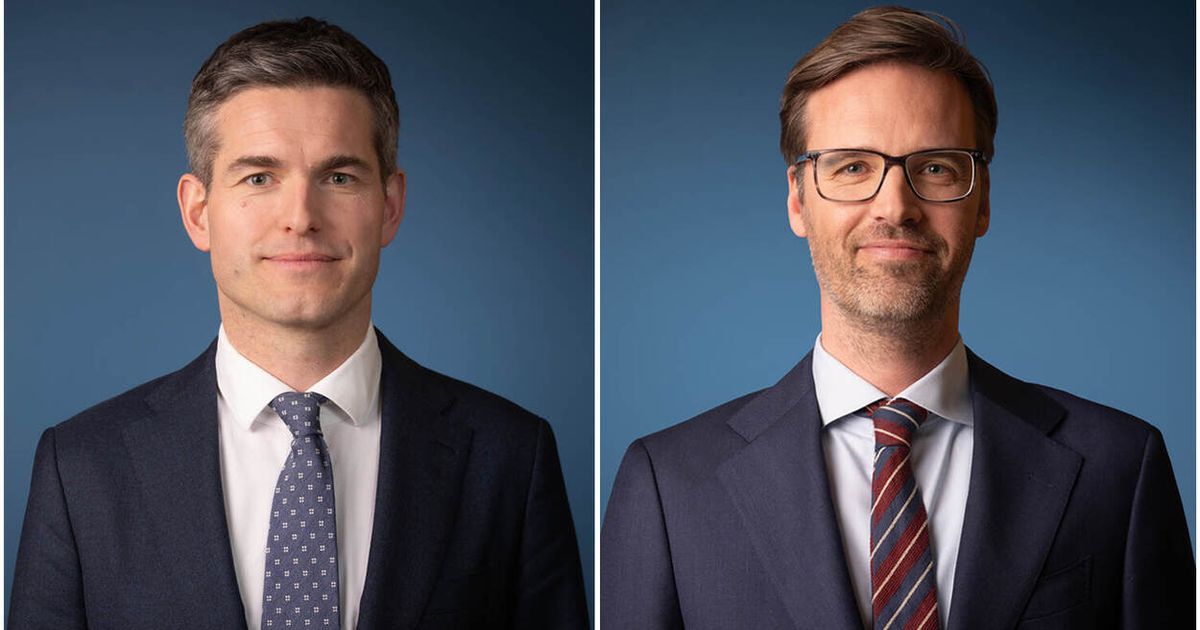
The Netherlands entered a new diplomatic era on 23 February 2026 with the swearing in of Tom Berendsen as Minister of Foreign Affairs and Sjoerd Sjoerdsma as Minister of Foreign Trade and Development Cooperation. This change, announced by the Jetten government, immediately establishes a clear priority for the administration: safeguarding what Berendsen termed “our freedom and prosperity.” The statement’s emphasis on external pressures—“the world around us is changing, and our freedom and prosperity are under pressure”—indicates an anticipated intensification of geopolitical challenges. This suggests a proactive approach to foreign policy, potentially reshaping the Netherlands’ role within international structures. (Read the full statement.)
Background
Prior to this event, David van Weel served as Minister of Foreign Affairs, while Aukje de Vries held the position of Minister of Foreign Trade and Development Cooperation. Berendsen’s previous tenure as a Member of the European Parliament, specifically heading the CDA delegation, provides a foundation for engagement within established EU frameworks. Sjoerdsma’s prior experience as a diplomat at the BZ – the Ministry of Foreign Affairs – indicates familiarity with existing governmental structures and diplomatic protocols. The shift in title to “Minister of Foreign Trade and Development Cooperation” reflects a renewed focus on integrating trade policy with development assistance, a stated objective within the new government’s agenda.
Analysis
The statements from both ministers reveal key stakeholder incentives. Berendsen’s emphasis on partnerships—“working together with countries that share our values”—highlights the continued importance of alliances, particularly within Europe. This suggests an intention to maintain and strengthen existing relationships, potentially seeking renewed engagement with nations aligned on democratic principles. Sjoerdsma’s focus on a “robust trade policy” and investment in “development cooperation” indicates a prioritization of economic interests alongside humanitarian concerns. The declaration that the Netherlands will “firmly protect values such as democracy and human rights” introduces a potential tension between pragmatic trade relations and upholding international norms. If implemented as described, this could create friction with countries where democratic standards are lacking. The statement does not address whether existing trade agreements will be re-evaluated in light of these stated values.
Implications
The change in leadership carries implications for regional stability and Dutch trade relations. Should the visit yield a renewed commitment to multilateralism, it could bolster European unity against external pressures. Conversely, a prioritization of “robust trade policy,” as Sjoerdsma suggests, risks isolating the Netherlands from nations with differing values or those facing economic hardship. The shift in title—to Minister of Foreign Trade and Development Cooperation—may alter the Netherlands’ approach to international development assistance, potentially shifting resources away from traditional donor countries towards strategic partnerships designed to promote Dutch economic interests.
Outlook
If the government successfully navigates the stated tensions between trade and values, it could strengthen its position as a key player in promoting democratic governance globally. Should the Netherlands prioritize economic engagement over human rights concerns, however, this could damage its reputation and undermine its influence within international organizations. The statement does not address whether the Netherlands will adjust its stance on sanctions or export controls based on these considerations.