
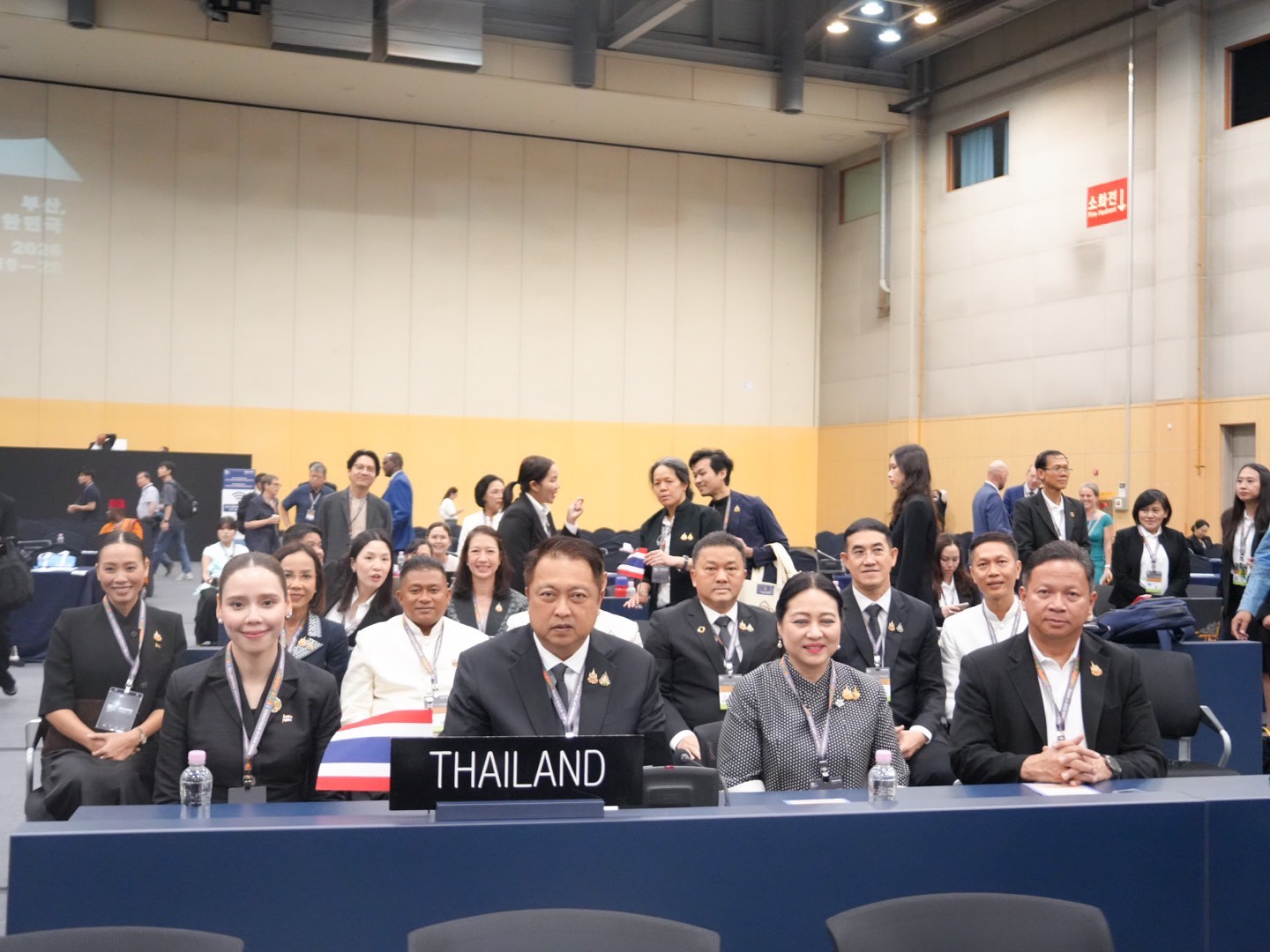
As set out in a formal announcement, On 25 July 2026, Mr. Chettaphan Maksamphan, Deputy Permanent Secretary for Foreign Affairs, joined the Thai delegation at the 48th session of the World Heritage Committee in Busan, the Republic of Korea. H.E. Mr. Suchart Chomklin, Minister of Natural Resources and Environment, led the Thai delegation. This event culminated in the World Heritage Committee’s decision to inscribe Wat Phra Mahathat Woramahawihan, Nakhon Si Thammarat, on the UNESCO World Heritage List under the 1972 Convention Concerning the Protection of the World Cultural and Natural Heritage. The inscription marks a significant step for Thailand, representing its ninth World Heritage Site. This decision matters because it elevates the profile of Southern Thailand’s rich cultural heritage to an international level, potentially attracting further tourism revenue and research opportunities – although the precise implications remain unclear.
Background: The 48th session of the World Heritage Committee convened from 25 July to 9 August 2026 in Busan, South Korea. This annual gathering brings together representatives from UNESCO member states to assess nominations for inclusion on the World Heritage List. Previous deliberations surrounding Wat Phra Mahathat Woramahawihan had been ongoing for several years, with the Thai delegation actively pursuing its inscription. The decision follows a timeline of assessments and reviews conducted by the Committee’s technical experts, focusing specifically on the site’s historical significance and potential for sustainable management. Thailand’s existing World Heritage Sites – including Historic Town of Sukhothai and Associated Historic Towns; Historic City of Ayutthaya; Thungyai-Huai Kha Khaeng Wildlife Sanctuaries; Ban Chiang Archaeological Site; Dong Phayayen-Khao Yai Forest Complex; Kaeng Krachan Forest Complex; The Ancient Town of Si Thep and its Associated Dvaravati Monuments, and Phu Phrabat – represent a substantial investment in cultural preservation.
Analysis: The announcement by Mr. Chomklin’s ministry indicates a prioritization of international recognition for Thailand’s heritage assets. The inclusion of Wat Phra Mahathat Woramahawihan represents a key element of the 20-Year “5S” Foreign Affairs Masterplan, which aims to enhance Thailand’s global standing through strategic cultural diplomacy. However, the statement does not address the financial resources allocated for ongoing conservation efforts or the specific mechanisms for engaging local communities in site management. The decision aligns with broader trends among Southeast Asian nations seeking to leverage World Heritage status as a tool for economic development and tourism promotion. The ministry’s leadership is signaling an intent to bolster international cooperation – if implemented as described – but lacks detail concerning the scale of that collaboration.
Implications: This inscription has implications extending beyond Thailand’s borders. It reinforces the importance of cultural heritage preservation globally, particularly in regions facing environmental and developmental pressures. For policymakers, it underscores the need for sustained investment in conservation infrastructure and training programs. Regionally, the addition of a site in Southern Thailand could stimulate tourism growth within that area, potentially impacting local economies. The inscription also strengthens Thailand’s position within ASEAN, demonstrating its commitment to upholding international standards for cultural heritage protection. Trade and security implications are indirect, primarily through fostering positive diplomatic relations and promoting sustainable development goals.
Outlook: Should the visit yield continued support from UNESCO, the ministry will likely seek further funding opportunities outlined in the “5S” Masterplan – specifically focusing on technical assistance and capacity building. If the Thai government secures additional international partnerships for conservation projects, this could lead to enhanced monitoring of the site’s environmental conditions and a strengthened framework for mitigating potential threats. However, should the visit fail to secure tangible commitments regarding funding or collaborative initiatives, this suggests a continued reliance on domestic resources for ongoing management – potentially creating vulnerabilities in long-term preservation efforts.
Conclusion: The inscription of Wat Phra Mahathat Woramahawihan as a World Heritage Site represents a significant outcome for Thailand. However, the precise nature and scope of future support remain undefined, raising questions about the sustainability of conservation efforts at this culturally vital site.