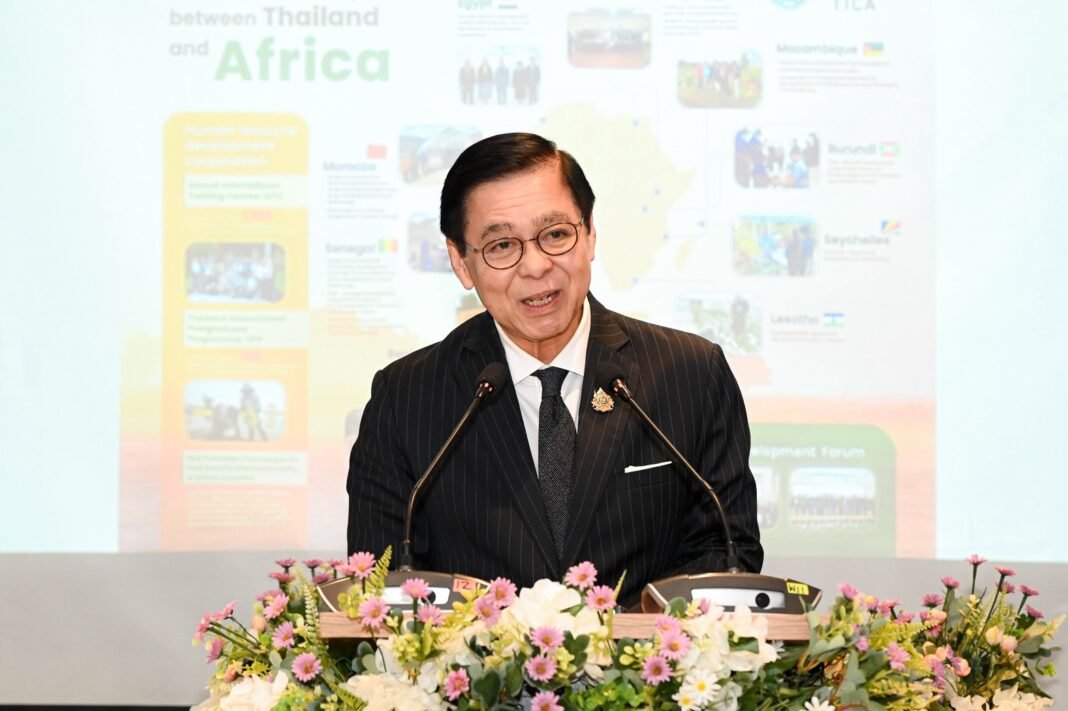
Per the government announcement, During a visit to Lagos, Nigeria, on 27 August 2026, Deputy Prime Minister Sihasak Phuangketkeow witnessed the signing of two Memoranda of Understanding (MoUs) between Thailand and Nigeria related to agricultural technology learning centers. This event marks a tangible step in implementing Thailand’s “5S” Foreign Affairs Masterplan – specifically its focus on sustainable development cooperation – and aims to bolster connections between Thai expertise and Nigerian communities, as outlined in the Ministry of Foreign Affairs press release.
Background
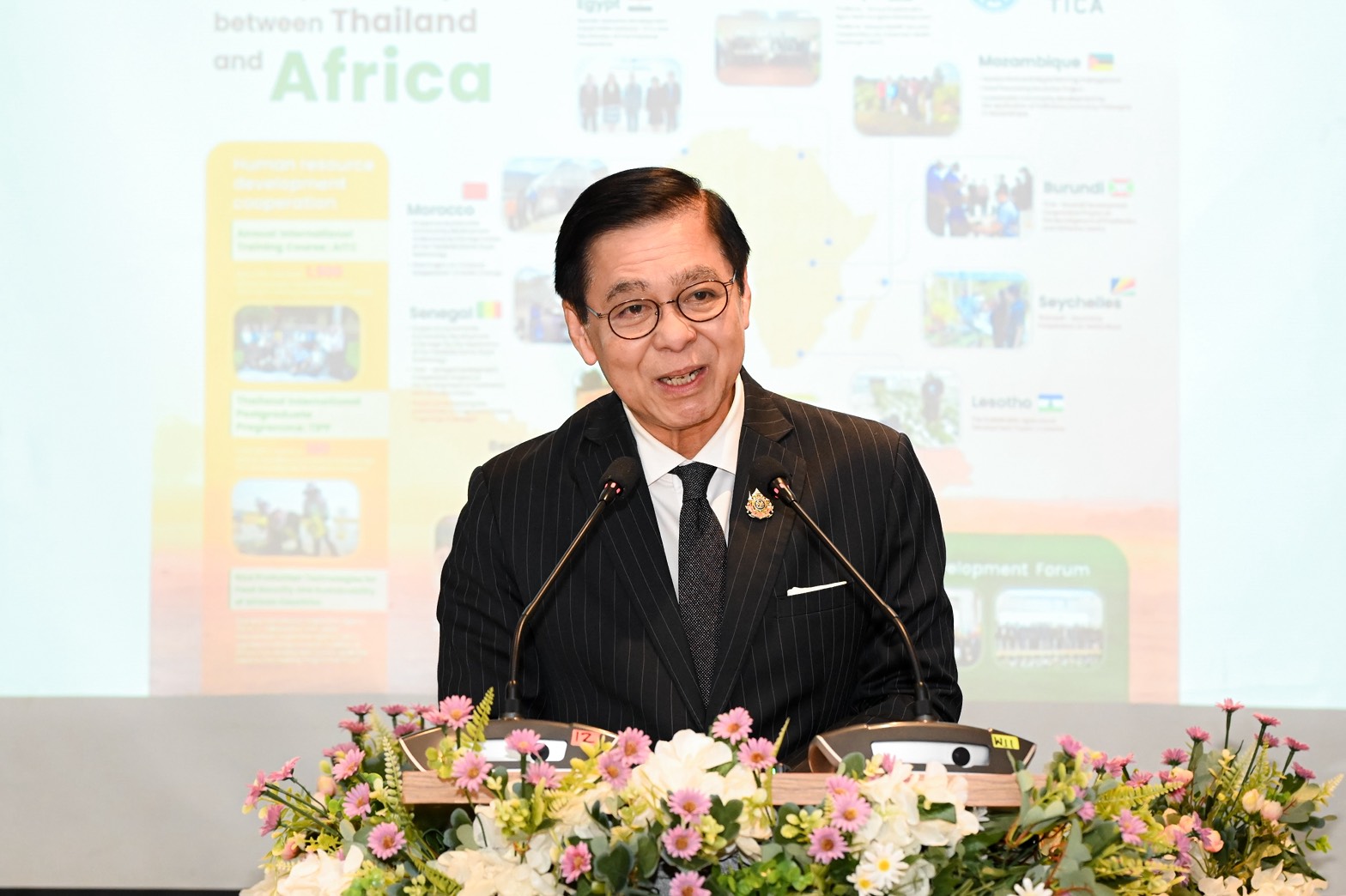
The visit occurred within a broader schedule encompassing Thailand and Ethiopia. The event was organized by the Thailand International Cooperation Agency (TICA) alongside Kasetsart University, Federal Cooperative College, Oji River, and CGIAR Nigeria/IITA. This collaboration reflects Thailand’s ongoing commitment to its Thailand-Africa Initiative (TAI), a framework designed to translate development assistance into practical outcomes across the continent.
Analysis
The signing of these MoUs represents a deliberate effort by Thailand to address specific developmental needs in Nigeria, focusing on enhancing skills within agriculture. The establishment of the Thai-Nigeria Sustainable Agricultural Technology Learning Centre at Federal Cooperative College, Oji River, Enugu State, is central to this strategy. This project’s core objective – improving aquaculture practices and utilizing small-scale agricultural machinery – aligns with Thailand’s broader development diplomacy goals. Furthermore, the involvement of Kasetsart University and CGIAR Nigeria/IITA suggests a recognition of the critical role of scientific research and innovation in achieving sustainable development outcomes.
Implications
The actions taken have implications for regional stability, primarily through fostering economic partnerships that could stimulate growth within Nigeria. The project’s focus on agricultural technology also carries potential security ramifications – a more prosperous rural sector can reduce incentives for instability and displacement. Trade relations between Thailand and Nigeria are likely to be impacted as the learning center facilitates knowledge transfer and potentially new product streams. Should the visit yield positive results, it could strengthen Thailand’s position within Africa’s growing economic landscape.
Outlook
If the Learning Centre project demonstrates demonstrable success in enhancing agricultural productivity and skills, then Thailand may seek to replicate similar models across other African nations. Should the Thai Corner component of the project prove effective in promoting Thai culture and language, it could further strengthen bilateral relations. The initiative’s long-term viability will depend on sustained funding commitments from both Thailand and Nigeria.
Conclusion
The signing of these MoUs solidifies Thailand’s commitment to practical development cooperation in Africa, but the ultimate success hinges on translating technological learning into tangible improvements for Nigerian communities. The extent to which this initiative genuinely contributes to stronger Thailand-Africa relations remains an open question.