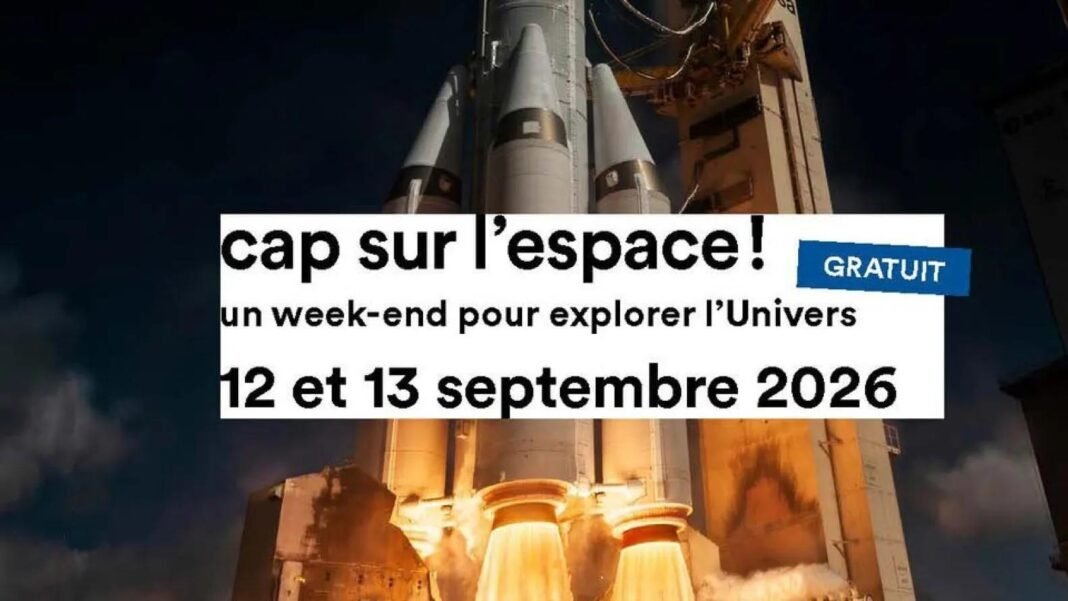
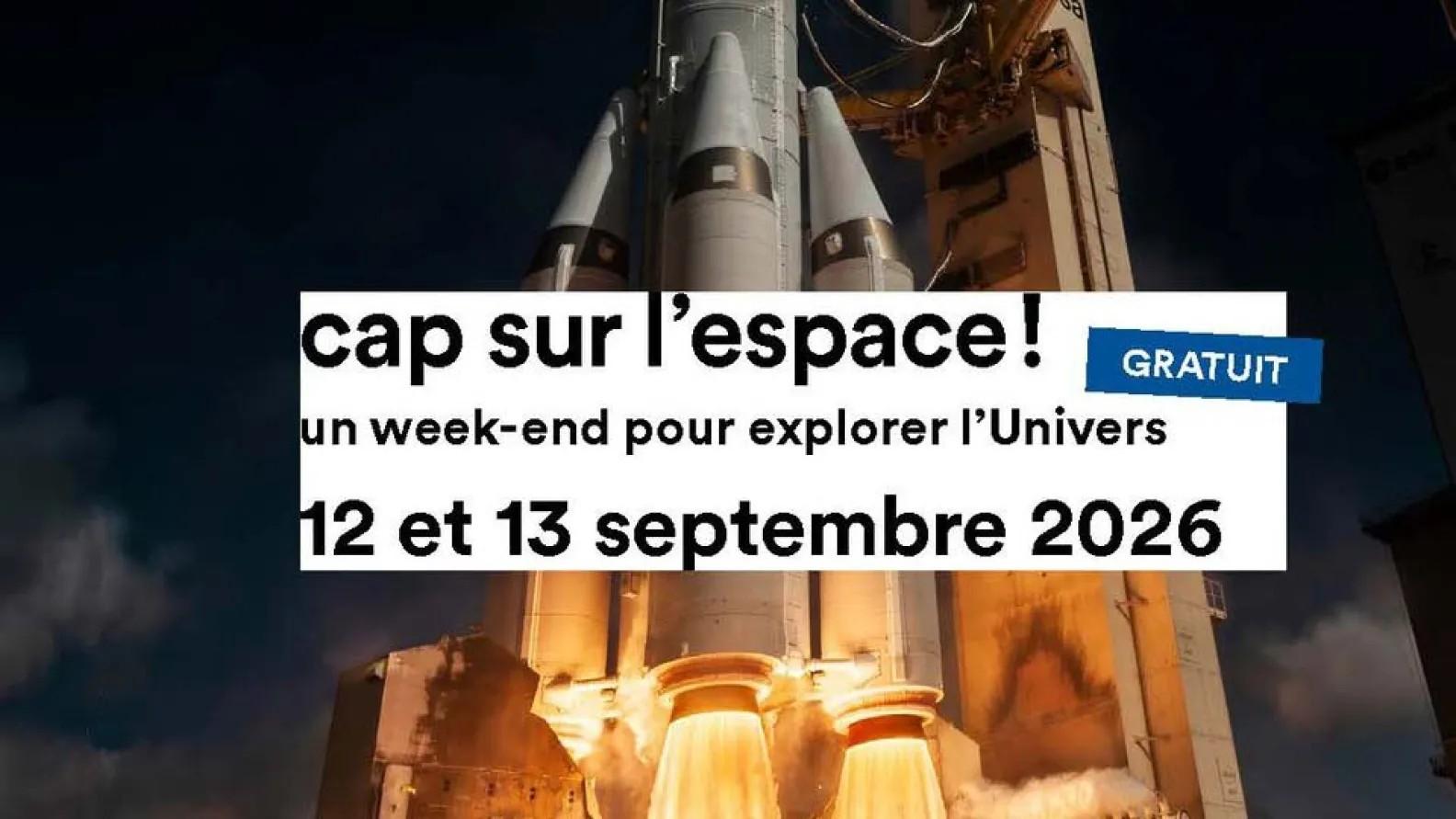
The official readout frames the trip as The French Space Agency (CNES) and its European counterpart, the European Space Agency (ESA), are hosting a free weekend event at Paris’ Cité des Sciences et de l’Industrie starting September 12th and 13th, 2026. This initiative, promoted as an “exceptional” opportunity to explore space, centers around satellite models and virtual reality experiences – a strategic deployment intended to showcase ongoing European programs.
Background
The event’s timing coincides with the International Space Summit, suggesting a deliberate attempt to capitalize on momentum. The core of the initiative rests upon several key EU space programmes: Galileo for navigation and Earth observation, Copernicus for similar applications, IRIS² (in French) – the statement does not specify its function – and Space Situational Awareness (SSA). These programs are presented as transformative technologies impacting daily life, from telecommunications to security. The press release details a shift in focus towards showcasing these programmes alongside existing CNES and ESA missions.
Analysis
The event’s broad appeal – targeting all ages with “SpatioLab” workshops – suggests an attempt to broaden public understanding of space technology. However, the emphasis on current technologies like SSA raises pertinent questions about European strategy. The inclusion of a dedicated area for Galileo, Copernicus and IRIS² signals a deliberate effort to highlight the EU’s growing investment in these areas – particularly concerning data collection and analysis. This suggests an attempt to establish a central role for the EU within global space governance, particularly in areas like security and observation, where concerns about China’s expansion in this sector are already escalating.
The inclusion of professional astronauts adds a layer of prestige, but also underscores the continued reliance on external expertise. The event’s focus on youth engagement, with “SpatioLab” workshops geared towards children aged 4-15, appears designed to foster future talent in space exploration and engineering – if implemented as described.
Implications
The weekend event holds implications for European policy regarding space. If the visit yields increased public support for these ambitious programs, it could bolster funding requests within the EU framework. The inclusion of SSA technologies suggests a growing strategic interest in monitoring and potentially responding to threats from space – a domain increasingly dominated by the United States. This could influence future collaborations with international partners, particularly regarding data sharing and security protocols.
Outlook
Should the event’s attendance demonstrate sustained public engagement, it could pressure policymakers to accelerate investment in these technologies. If the focus on youth participation proves successful in cultivating a new generation of space professionals, it would mitigate some concerns about Europe’s diminishing competitiveness within the sector – although this remains conditional on continued funding and strategic alignment.
Conclusion
The CNES and ESA’s weekend event represents an attempt to translate technical advancements into public understanding. However, the absence of a clear articulation regarding European leadership in areas like SSA leaves open the question of how France and its partners intend to shape the future landscape of space exploration and its associated security implications.