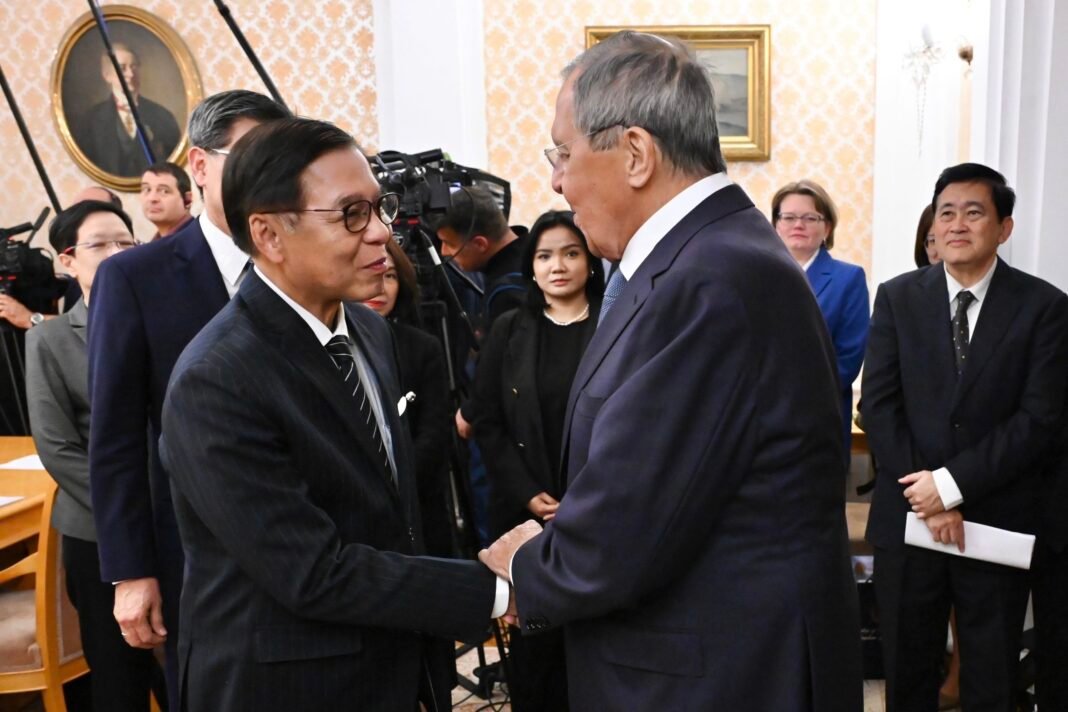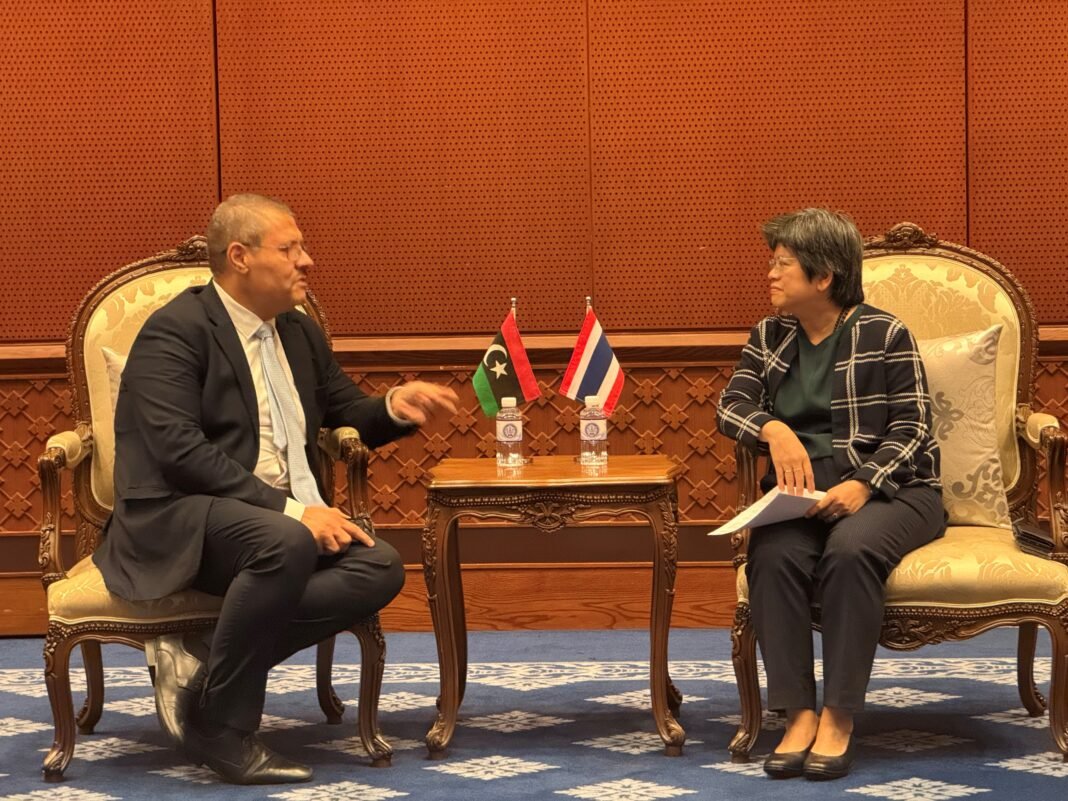
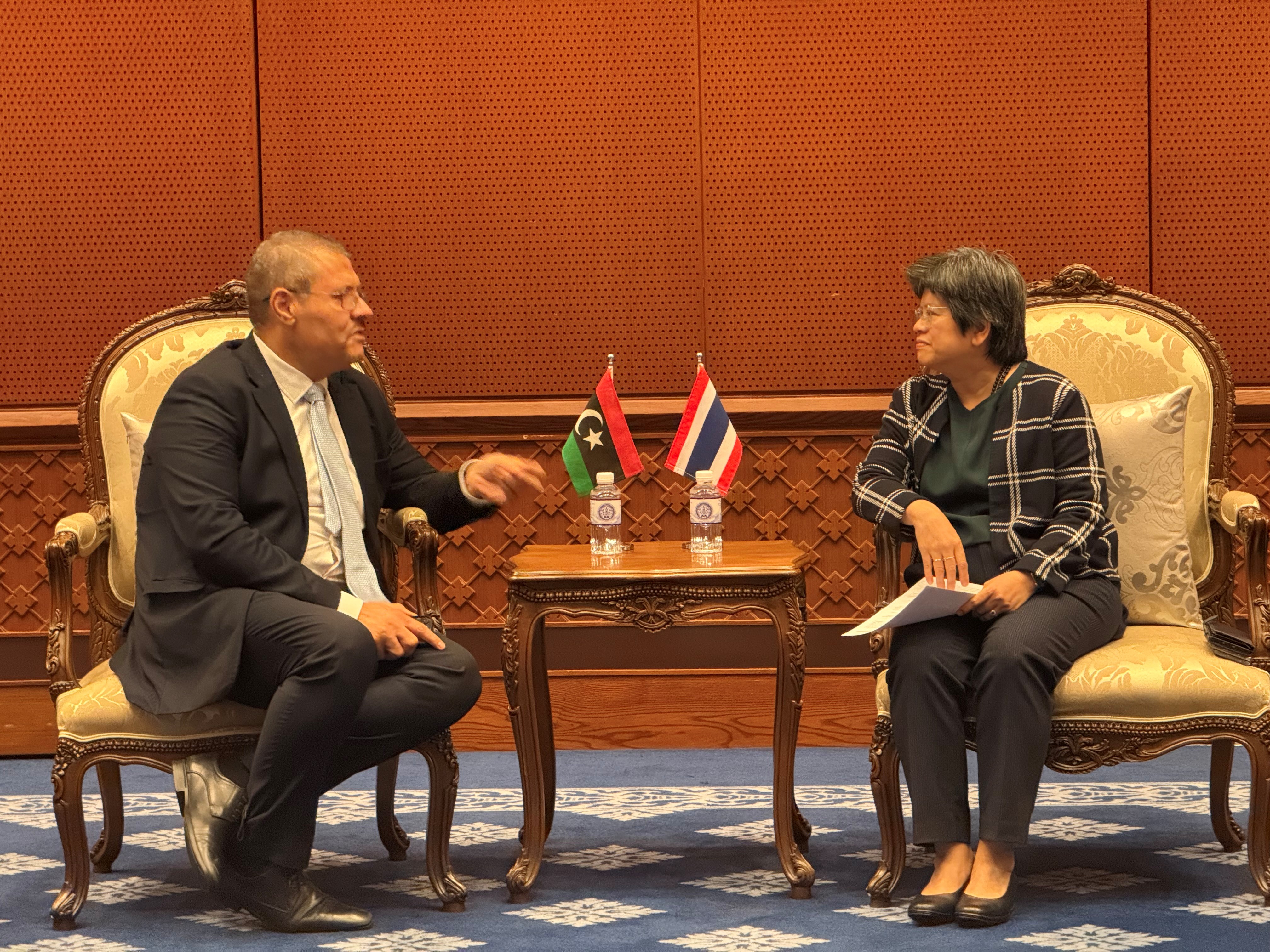
On August 14th, 2026, Mrs. Urasa Mongkolnavin, Director-General of Thailand’s Department of South Asian, Middle East and African Affairs, met with Mr. Ashoor Salem Ashoor Omran, Chargé d’Affaires a.i. of the Embassy of the State of Libya to Thailand, marking his departure from the role. This meeting highlights a sustained effort to cultivate bilateral ties, particularly within the context of Thailand’s broader foreign policy objectives. The exchange underscored the strategic value Thailand places on its engagement with African nations and the ongoing efforts to deepen these relationships. (Read the full statement.)
Background
Thailand’s approach to foreign relations is structured around the “5S” Foreign Affairs Masterplan, a 20-year initiative aimed at strengthening strategic partnerships. This plan prioritizes Southeast Asia, South Asia, the Middle East, and Africa – the ‘5S’ – as key areas of focus. The Thailand-Africa Initiative (TAI) represents a cornerstone of this strategy, designed to foster economic cooperation, trade relations, and cultural exchanges across the continent. Prior to this meeting, discussions had reportedly centered on bolstering trade agreements and exploring investment opportunities within the African market.
Analysis
The Director-General’s expression of appreciation for the Chargé d’Affaires’ contribution reflects a calculated approach to diplomatic transitions. The reiteration of Africa’s importance within Thailand’s foreign policy suggests a deliberate strategic choice, irrespective of personnel changes. This emphasis aligns with the Ministry’s stated goals and reinforces its commitment to the TAI. The granting of agrément for the Ambassador Extraordinary and Plenipotentiary to Libya – a move facilitated by the Libyan side – is strategically significant. It represents a tangible step towards strengthening bilateral relations beyond simply maintaining a diplomatic presence, potentially opening doors for increased trade, investment, and political cooperation. The statement does not address any potential shifts in Thailand’s broader Middle Eastern strategy.
Implications
This meeting has implications for regional stability, particularly within Southeast Asia’s diplomatic landscape. Continued engagement with Libya, a nation navigating significant internal challenges, demonstrates Thailand’s willingness to maintain relationships with countries facing complex geopolitical circumstances. The strengthening of ties with Egypt through the Ambassador appointment could have wider ramifications for Thailand’s role in the Mediterranean region and its strategic partnerships across North Africa. The focus on trade and investment within the TAI presents opportunities for Thai businesses seeking to expand their operations into new markets, though risks remain associated with political instability in several African nations.
Outlook
Should the visit yield continued support from Libya for the Ambassador appointment, Thailand could see increased trade flows and potential investment projects within the coming years. If the Libyan situation remains unstable, however, this would necessitate a reassessment of Thailand’s strategic priorities in the region. The Ministry’s commitment to the TAI suggests a long-term strategy, although adjustments will likely be required based on evolving geopolitical conditions. The continued support for the initiative hinges on Libya’s capacity to maintain stability and pursue economic reforms.
Conclusion
The farewell call between Mrs. Mongkolnavin and Mr. Omran serves as a confirmation of Thailand’s sustained interest in Africa, but it leaves open the question of how this commitment will translate into concrete outcomes – particularly concerning the stability and direction of Libya itself.