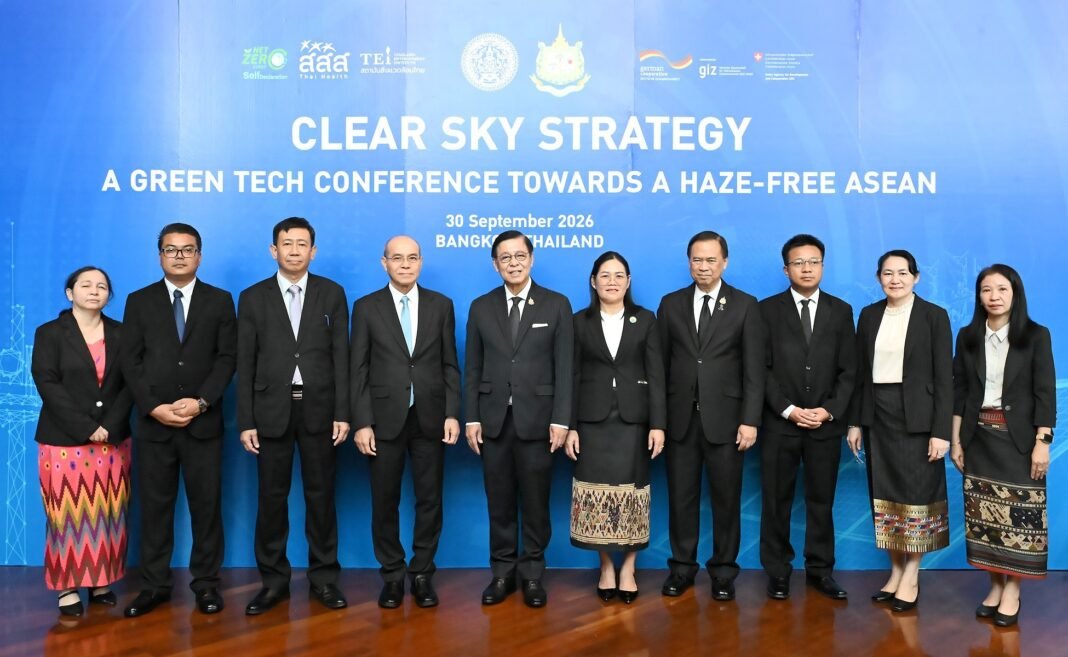
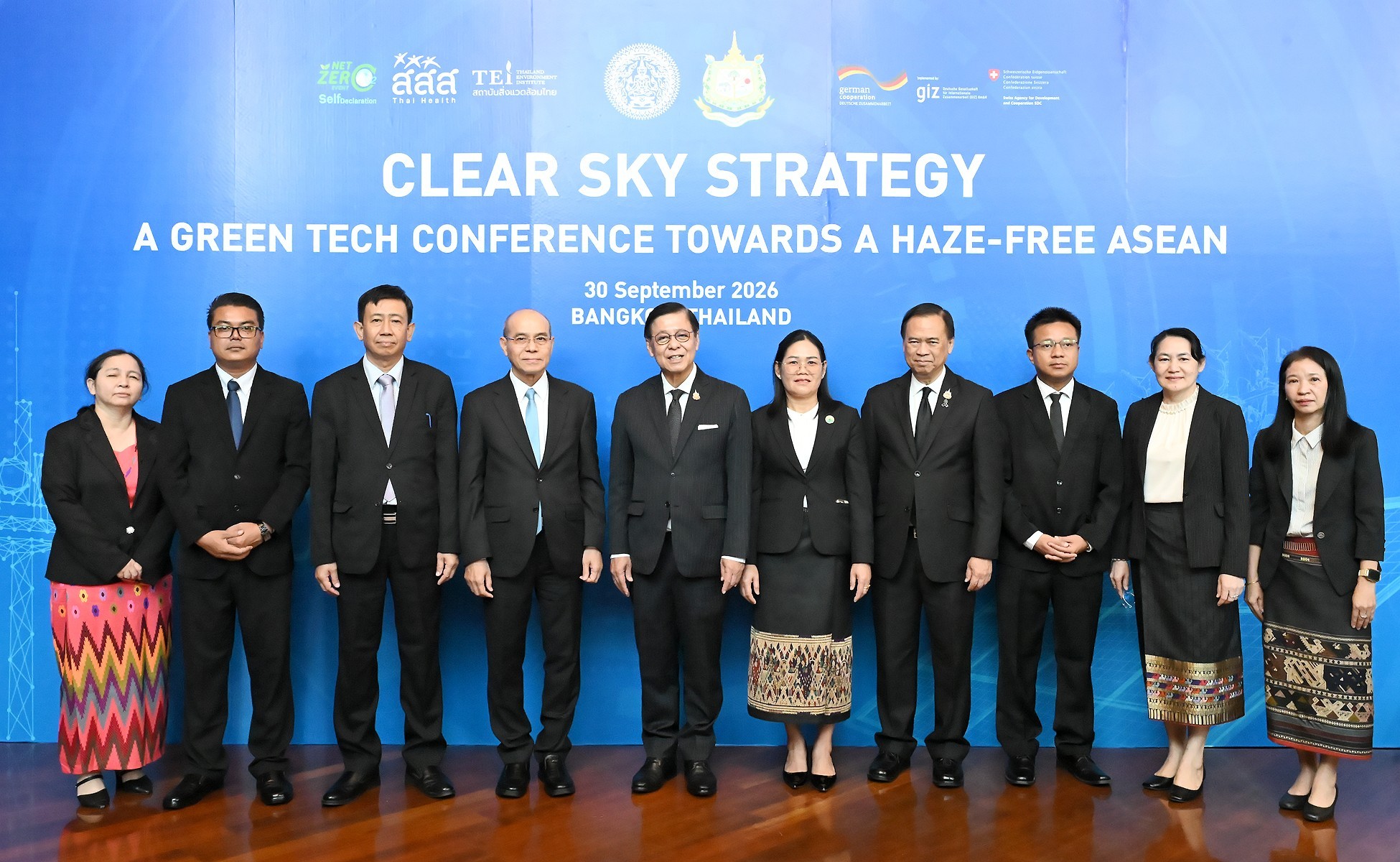
As set out in a formal announcement, The persistence of transboundary haze remains a critical environmental challenge for Southeast Asia. On 30 September 2026, the Ministry of Foreign Affairs of Thailand convened a conference focused on addressing this issue, bringing together key government officials and representatives from ASEAN Dialogue Partners. The event, centered around the “CLEAR Sky Strategy,” highlighted a continued commitment to collaborative action, demonstrating a specific effort to leverage technological advancements for mitigation – a priority underscored by the increasing frequency of regional haze events.
Background
The “CLEAR Sky Strategy” represents a framework for regional cooperation developed in response to recurring transboundary haze episodes. Following a Leaders’ Meeting among Thailand, the Lao PDR, and Myanmar in 2023, the Joint Plan of Action under this strategy was launched in 2024. This strategy focuses on shared responsibility for managing air quality across borders, recognizing the interconnectedness of the region’s atmospheric systems. Previous diplomatic engagements, including a visit by the Vice Minister for Foreign Affairs to Canada in September 2026, demonstrate Thailand’s ongoing prioritization of international collaboration on environmental issues. A meeting between the Deputy Prime Minister and Minister of Foreign Affairs and the Permanent Secretary of the Ministry of Agriculture and Environment of the Lao PDR, along with the Permanent Secretary of the Ministry of Natural Resources and Environmental Conservation of Myanmar, further solidified this commitment.
Analysis
The core of the conference’s goals centers on implementing technological solutions to the haze problem. Stakeholder incentives are primarily driven by the shared economic and public health costs associated with haze pollution. The event highlights a perceived need for innovation, particularly in data monitoring and analysis, to improve the accuracy of predictions and inform targeted interventions. The focus on “suitable technologies” suggests a recognition that existing approaches have proven insufficient. The simultaneous launch of the Fire Risk Map and the Air4Mekong Platform reflects a desire to establish a more integrated and responsive system for tracking and managing haze conditions. The involvement of ASEAN Dialogue Partners – Australia, China, Japan, the United States, and the European Union – suggests a strategic effort to secure external expertise and potentially funding. The event’s declaration as a “net-zero” event signifies a commitment to mitigating the carbon footprint of the conference itself, aligning with broader sustainability goals.
Implications
The conference’s outcomes carry significant implications for regional stability. Continued collaboration on haze management is viewed as a crucial step in preventing future conflicts over resources and mitigating the social and economic disruptions caused by air pollution. The development and deployment of the Air4Mekong Platform could enhance early warning systems and facilitate more effective responses to haze events. Furthermore, the engagement with ASEAN Dialogue Partners could unlock access to advanced technologies and potentially accelerate the adoption of best practices. The focus on sustainable agricultural technology suggests a potential shift towards more environmentally friendly farming practices within the region – a key consideration given the role of agricultural burning in haze formation.
Outlook
Should the visit yield concrete agreements on technology transfer and operationalization of the Air4Mekong Platform, the strategy’s effectiveness will hinge on the sustained commitment of all participating nations. If the Lao PDR, Myanmar, and Thailand maintain their stated readiness to take “concrete action,” the CLEAR Sky Strategy could gain momentum. However, the success of the strategy remains conditional on addressing the underlying drivers of haze, namely agricultural practices and land-use management, within each participating country. Should political instability persist within Myanmar, the coordination of efforts could be significantly hampered.
Conclusion
The conference represents a continuation of Thailand’s efforts to address transboundary haze, but the ultimate success of the CLEAR Sky Strategy remains uncertain. The continued development and deployment of the Air4Mekong Platform, coupled with demonstrable action from all participating nations, will determine whether this collaborative initiative can deliver on its ambitious goals.
Sources & Further Reading
- Official press release
- Foreign ministry source
- Vice Minister for Foreign Affairs of Thailand visits Canada (19 Sep 202)
- Deputy Prime Minister and Minister of Foreign Affairs to pay official visit to Lao PDR (30 Sep 202)
- Vice Minister for Foreign Affairs meets with Ambassador of Austria to Thailand (23 Sep 202)