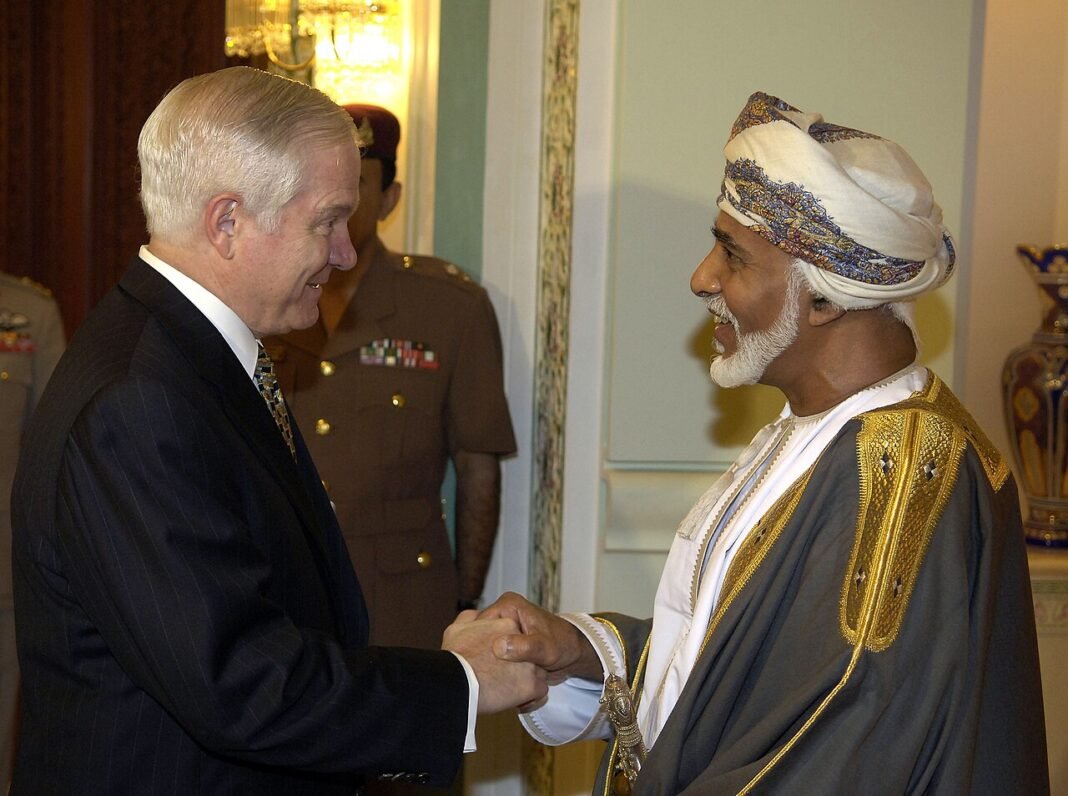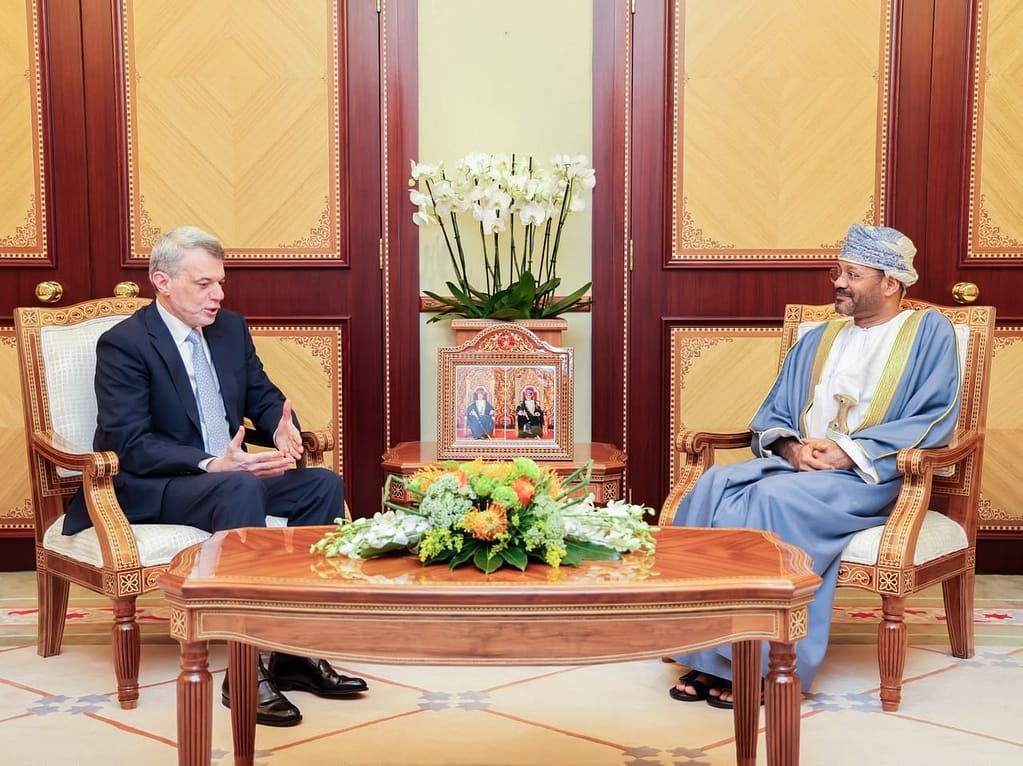
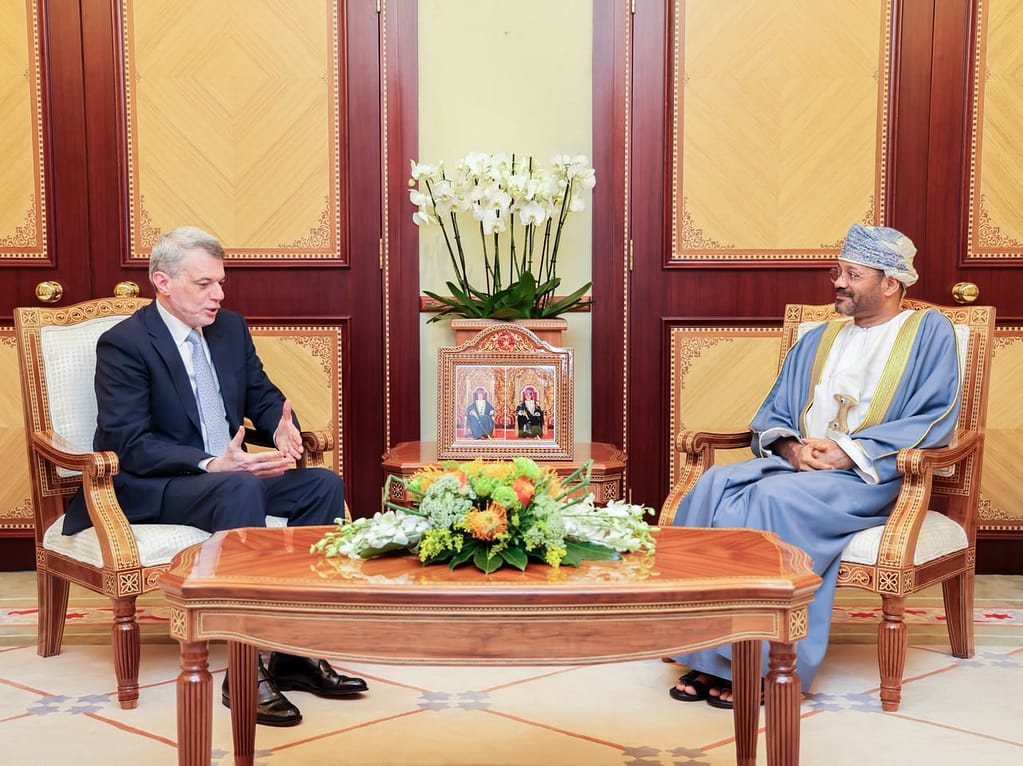
In a published statement ahead of the visit, The Sultanate of Oman received copies of credentials for the Ambassadors of Jordan and Türkiye on 4 October 2026, according to a statement released by the Ministry of Foreign Affairs. This event marks the formal initiation of diplomatic relations with both nations, a key element of Oman’s ongoing efforts to diversify its strategic partnerships. The act of welcoming these ambassadors, coupled with a reaffirmation of existing cooperation, reflects a consistent, if understated, approach to international engagement, prioritizing established relationships and specific areas of mutual interest.
Background
Oman’s foreign policy has historically been characterized by a focus on pragmatic diplomacy, prioritizing stability and economic opportunity over ideological alignment. Prior to this event, the Ministry of Foreign Affairs had issued a statement on 18 September 2026 regarding joint statements with Angola and Botswana, demonstrating a continued commitment to bilateral engagement within the African continent. This pattern of targeted engagement – welcoming new ambassadors and reinforcing existing ties – suggests a deliberate strategy of measured expansion, avoiding overly ambitious commitments. The Ministry’s previous statement, concerning Angola, highlighted a shared commitment to “strengthening relations and expanding cooperation in support of mutual interests,” a phrase that echoes directly in the current welcome. The formal presentation of credentials is a standard diplomatic protocol, representing a step towards facilitating official communication and collaboration.
Analysis
The welcoming of the Jordanian and Turkish ambassadors signals an ongoing prioritization of established partnerships. The statement does not address the current geopolitical climate or any shifts in Oman’s foreign policy priorities. The Ministry’s focus on existing cooperation with the World Health Organization (WHO) further illustrates this cautious approach. The reaffirmation of support for the WHO’s work, as expressed by Dr Hammerich, suggests a desire to maintain a presence within established multilateral frameworks without committing to broader geopolitical initiatives. The presence of senior Ministry officials – Ambassador Sheikh Mohammed Alqutbi, Ambassador Najib Albalushi, and Ambassador Dr Saleh Alkharousi – indicates a strategic focus on protocol and maintaining strong diplomatic channels. This suggests a desire to ensure smooth communication and facilitate future cooperation, rather than signaling a significant shift in Oman’s foreign policy stance. The statement does not address the potential implications of these new diplomatic relationships for Oman’s trade or security interests, or the potential for increased engagement with the United Nations.
Implications
The welcoming of the ambassadors has limited immediate implications for regional stability, but it does underscore Oman’s commitment to maintaining diplomatic relations with key regional actors. Should the visit yield further discussions regarding trade and investment, as the statement suggests, it could bolster Oman’s economic diversification efforts, particularly given Jordan and Türkiye’s growing economies. The continued cooperation with the WHO could contribute to Oman’s efforts to improve its healthcare infrastructure and public health outcomes. However, the lack of detail regarding the specific areas of cooperation – particularly regarding trade or security – limits the potential impact of this diplomatic engagement. The statement does not address Oman’s role within regional alliances or its stance on broader geopolitical issues.
Outlook
If the visit with the Ambassadors of Jordan and Türkiye yields further discussions regarding health cooperation, as the statement indicates, Oman’s commitment to supporting the WHO’s objectives could be strengthened. Should the Ministry’s protocol department continue to facilitate meetings with representatives from other international organizations, Oman’s engagement with the multilateral system could expand. The welcoming of the ambassadors represents a stable, predictable element of Oman’s foreign policy, prioritizing established relationships and specific areas of cooperation, but it offers no indication of a broader strategic realignment.