
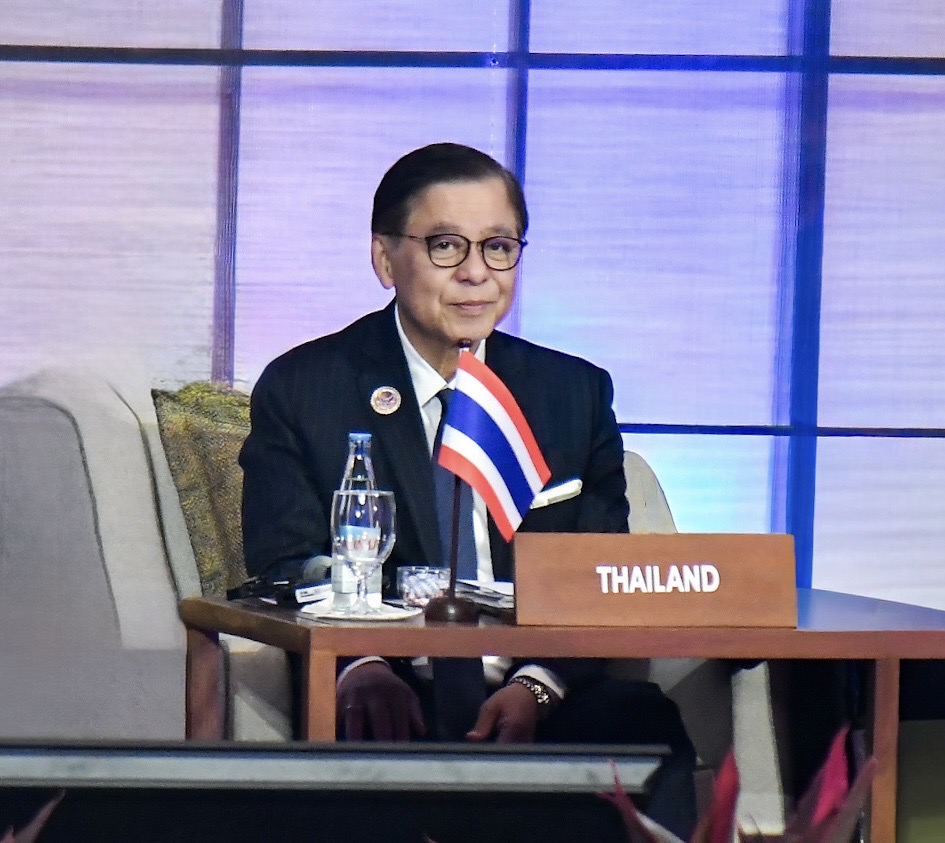
The official readout frames the trip as On July 23, 2026, Deputy Prime Minister and Minister of Foreign Affairs Sihasak Phuangketkeow attended the 33rd ASEAN Regional Forum (ARF) in Manila, the Philippines. This engagement focused on exchanging views regarding regional and international security developments, specifically maritime security. The statement underscores Thailand’s continued prioritization of the ARF as a mechanism reinforcing ASEAN centrality—a key element in addressing shared security concerns.
Background
The 33rd ARF convened alongside the 59th ASEAN Foreign Ministers’ Meeting and related meetings. This annual forum provides a platform for dialogue on regional security issues, including maritime concerns. The statement references the adoption of the ARF Manila Plan of Action (2026 – 2036) and endorsement of Track 1 Activities for 2026-2027. These represent ongoing efforts to bolster cooperation among ASEAN member states.
Analysis
The meeting’s agenda reflects a broader regional context characterized by evolving security dynamics, particularly concerning maritime disputes and transnational crime. Thailand’s emphasis on “ASEAN centrality” suggests an intent to maintain its influence within the organization as a driver of stability. The mention of efforts to address the Thailand-Cambodia situation indicates a prioritization of bilateral relations and conflict resolution. Further, the ‘calibrated re-engagement approach’ with Myanmar signals a continued cautious stance regarding that country’s political instability, aligning with broader ASEAN policy.
Implications
Thailand’s participation in the ARF carries implications for regional stability. The focus on maritime security addresses ongoing concerns about territorial disputes and resource management. The adoption of the ARF Manila Plan of Action indicates a commitment to coordinated action against transnational crime, a growing threat across Southeast Asia. Should the visit yield continued dialogue with Myanmar, it suggests an attempt to utilize ASEAN’s diplomatic channels to mitigate instability within that nation—a priority for regional security.
Outlook
If Thailand continues to prioritize its calibrated approach to Myanmar, this will likely necessitate ongoing engagement with stakeholders while avoiding direct confrontation. Should the ARF continue to serve as a platform for confidence-building measures and practical cooperation, it may contribute to managing tensions within the ASEAN framework. The proposed ARF Workshop on Enhancing Cooperation to Combat Online Scams suggests a proactive stance against cybercrime—a pressing concern across the region.
Conclusion
The 33rd ARF meeting demonstrates Thailand’s continued commitment to regional security cooperation, but the statement does not address the specific challenges presented by Myanmar’s internal dynamics or the evolving geopolitical landscape surrounding Southeast Asia.