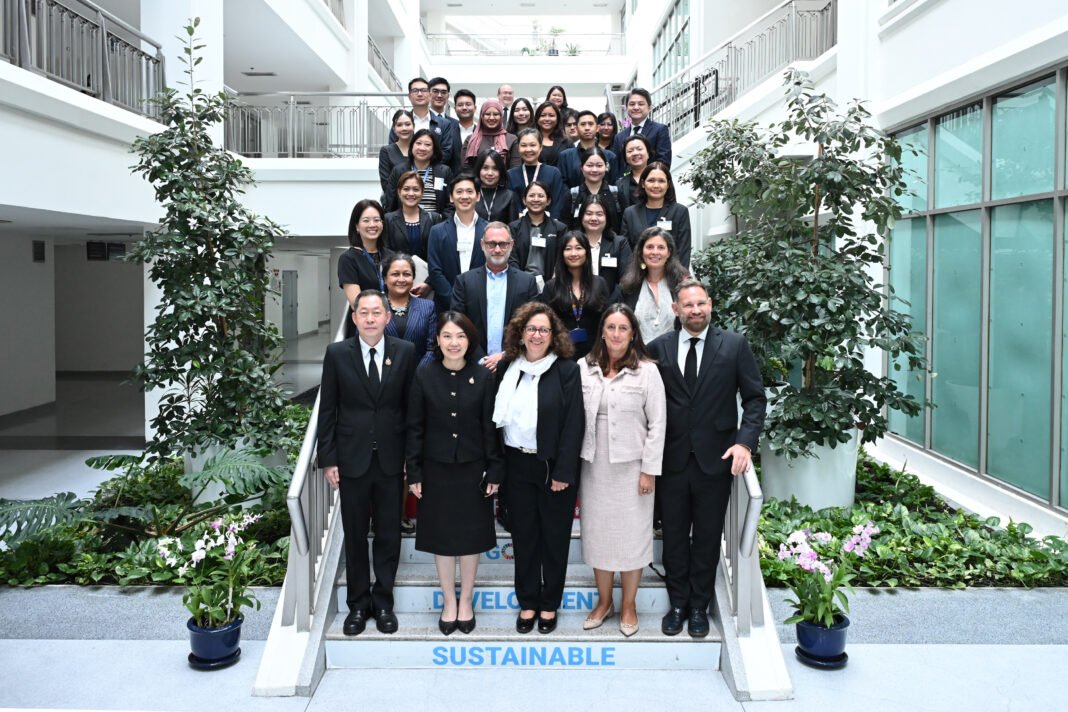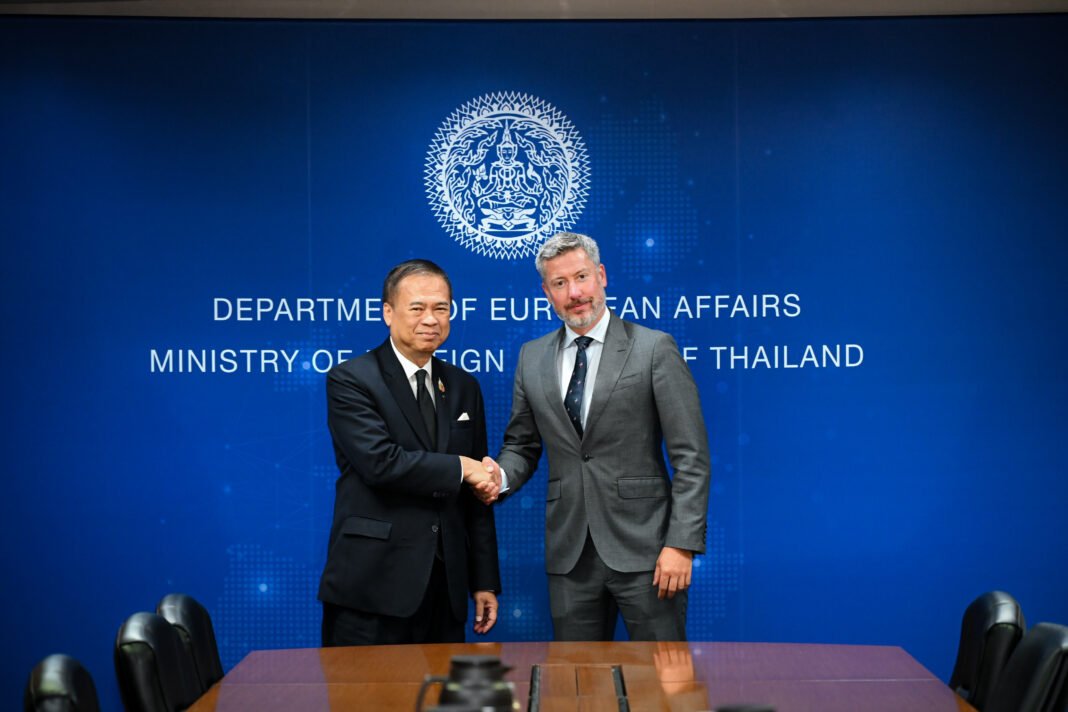
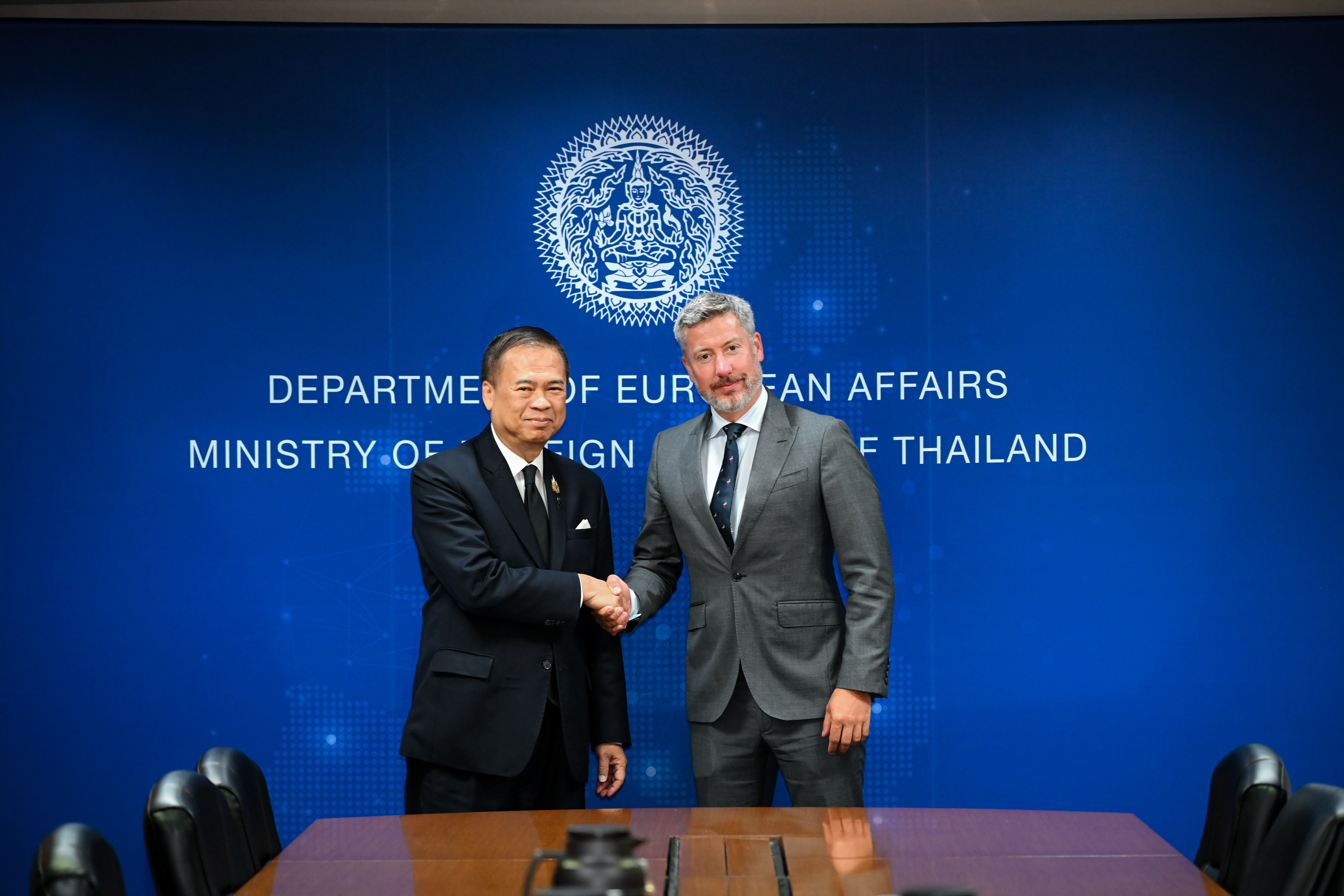
Reporting in a government statement, On 18 August 2026, H.E. Mr. Vijavat Isarabhakdi, Vice Minister for Foreign Affairs, met with Dr. Benedikt Franke, Vice Chairman and Chief Executive Officer (CEO) of the Munich Security Conference (MSC), during his visit to Thailand. The meeting occurred in Bangkok, focusing on geopolitical developments and global governance.
Background
The Thailand Security Dialogue 2026 serves as a key platform for international discussions regarding security matters. This event provides opportunities for Thailand to engage with diverse stakeholders, including the MSC, a prominent organization dedicated to promoting peace and security through dialogue. The MSC’s annual events, such as the Munich Leaders Meeting and the broader MSC conferences in New Delhi and Munich, represent significant forums for shaping global security agendas.
Analysis
The exchange of views between Mr. Isarabhakdi and Dr. Franke centered on “geopolitical developments” and the “role of middle powers.” This suggests Thailand seeks to actively participate in international discussions concerning strategic risks, potentially reflecting a desire for increased influence within multilateral structures. The discussion also highlighted the importance of “strengthening multilateralism and global governance,” indicating a prioritization of institutionalized approaches to addressing shared challenges. The statement does not address Thailand’s specific security priorities or concerns.
Implications
This meeting has implications for Thailand’s foreign policy, particularly regarding its engagement with international security initiatives. The stated desire to incorporate “Thai and Southeast Asian perspectives” into MSC discussions could lead to a more prominent role for Thailand in shaping the conference’s agenda – potentially influencing broader global security debates. Should the visit yield further collaboration, it could strengthen Thailand’s diplomatic network and provide access to the MSC’s extensive research and convening capabilities.
Outlook
If the participation of Thai officials in upcoming MSC events continues as Dr. Franke intends, this would enhance Thailand’s visibility within international security forums. Should the MSC’s engagement with Thailand prove fruitful – specifically through incorporating Thai perspectives – it could contribute to a more nuanced understanding of regional challenges among global policymakers. The statement does not address potential shifts in Thailand’s strategic alliances or defense posture.
Conclusion
The meeting underscores Thailand’s commitment to multilateral engagement, but the specific details regarding the nature and scope of future collaboration remain undefined. The ongoing dialogue will be crucial for determining whether Thailand can effectively leverage its position as a middle power to shape global security discussions.