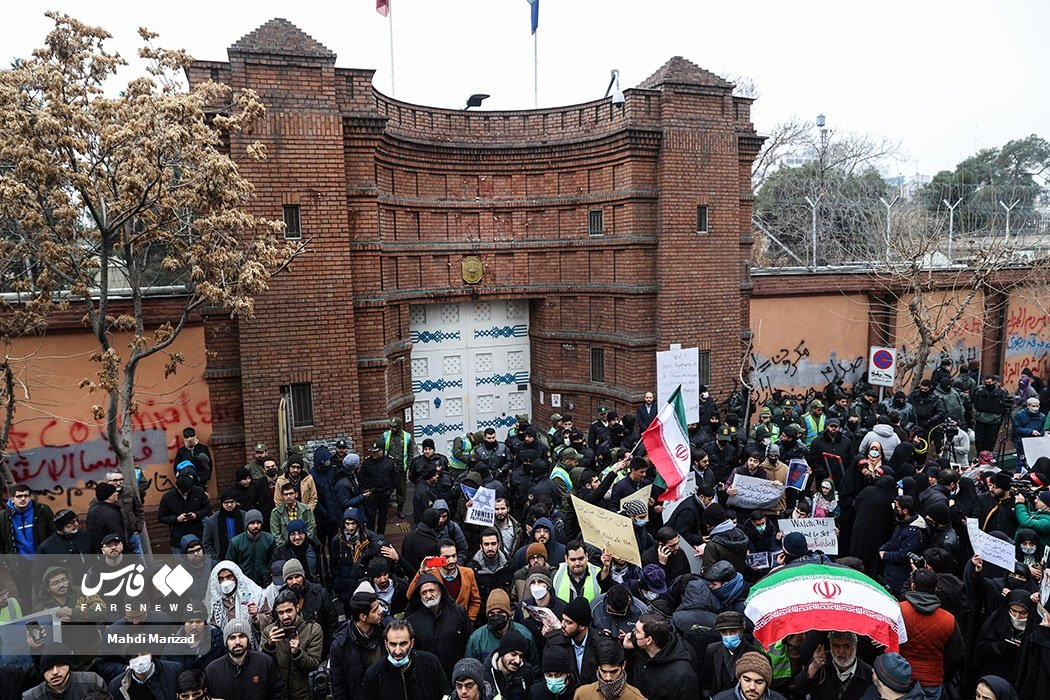
In a published statement ahead of the visit, France has expelled two employees of the Iranian Embassy following an assault on its own embassy staff in Iran, a move signaling a firm stance against flagrant violations of international law. This action, announced by Minister for Europe and Foreign Affairs Jean-Noël Barrot on August 19th, underscores a fundamental shift in relations predicated upon the July 19th attack perpetrated by Iranian security services – an event that directly contradicts the Vienna Convention on Diplomatic Relations of 1961.

Background
The decision stems from the incident involving French Embassy personnel in Iran. The statement does not address the specific nature of the attack or the number of individuals involved. It references Article 9 of the Vienna Convention on Diplomatic Relations, a treaty to which Iran is a signatory, providing the legal basis for France’s response.
Prior to the July 19th incident, diplomatic relations between France and Iran had been characterized by ongoing negotiations regarding Iran’s nuclear program. The statement does not mention specific agreements or bodies involved in these discussions, nor does it detail the timeline of any prior meetings between French and Iranian officials.
Analysis
The French government’s response appears primarily driven by a commitment to protecting its diplomatic staff and facilities. The decision to declare the Iranian employees persona non grata represents an immediate consequence for actions that represent a severe breach of international norms. This suggests a prioritization of security over attempts at diplomatic resolution or accountability for those responsible.
The Iranian authorities’ reaction – leveling false accusations and fabricating a case of interference – further complicates the situation. The statement does not address the motivations behind this response, but it implies a deliberate attempt to deflect blame and justify the attack. This escalates tensions by framing the expulsion as retaliatory rather than preventative.
The stakes are high for France; the incident represents a challenge to its ability to conduct foreign policy in the region, particularly concerning Iran’s nuclear ambitions. The statement does not address whether this action will impact ongoing diplomatic efforts or compromise France’s relationships with other nations who may view the situation differently.
Implications
The expulsion carries significant implications for regional stability. Should the attack remain uninvestigated, it risks emboldening further acts of aggression against foreign diplomats and missions. The statement does not mention any potential consequences for Iran’s international standing or its relationships with other countries.
Furthermore, this incident could impact trade and security relations between France and Iran. Given the existing tensions surrounding Iran’s nuclear program, the expulsion introduces a new layer of uncertainty into these interactions. The statement does not address whether this will lead to further sanctions or restrictions.
Outlook
If the Iranian authorities do not demonstrate a willingness to investigate the attack and hold those responsible accountable, France may consider additional measures. Should the Ambassador of the Islamic Republic of Iran remain uncooperative, France could pursue further diplomatic pressure or even seek support from international partners.
Conclusion
The expulsion of Iranian embassy staff leaves open a critical question: will this act serve as a genuine deterrent against future aggression, or merely represent a temporary response to an immediate crisis, setting the stage for a protracted period of strained relations?