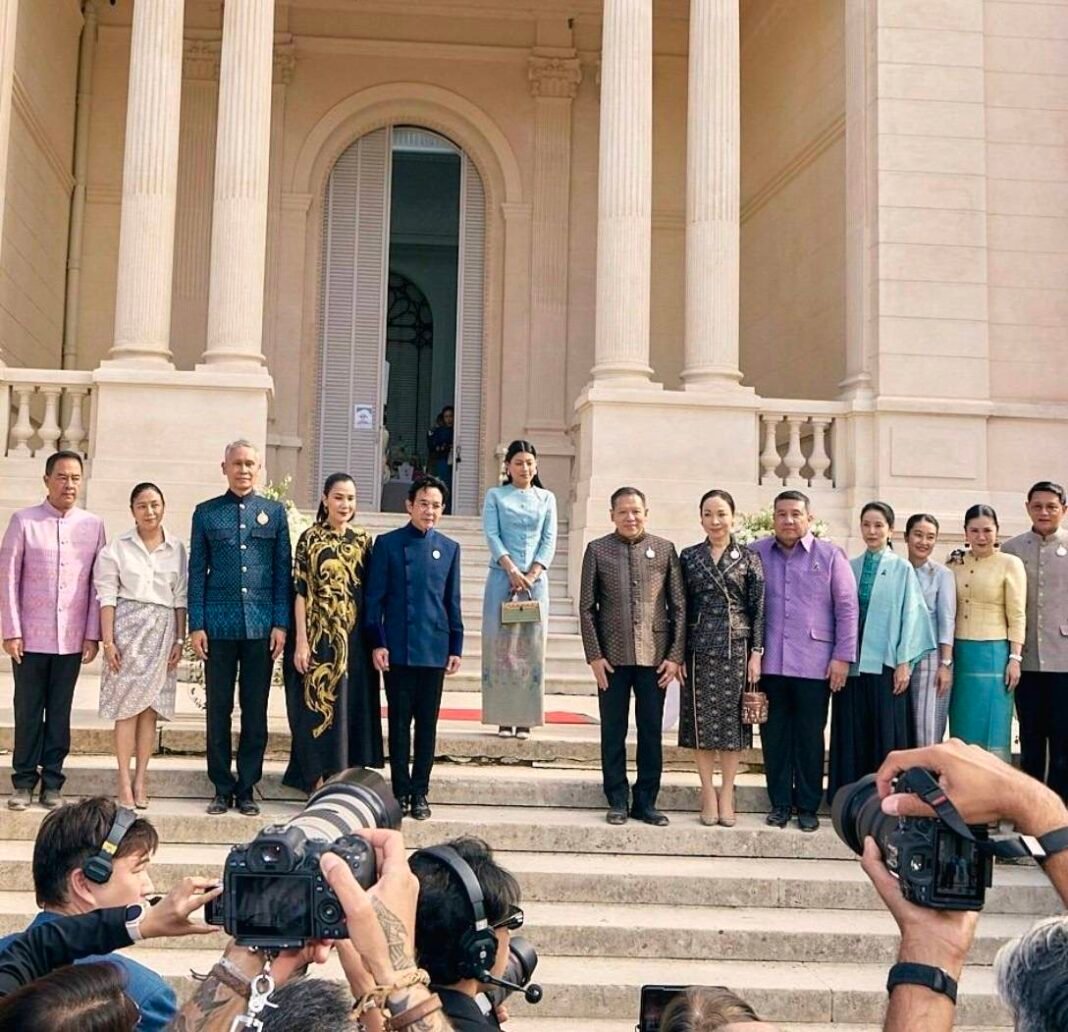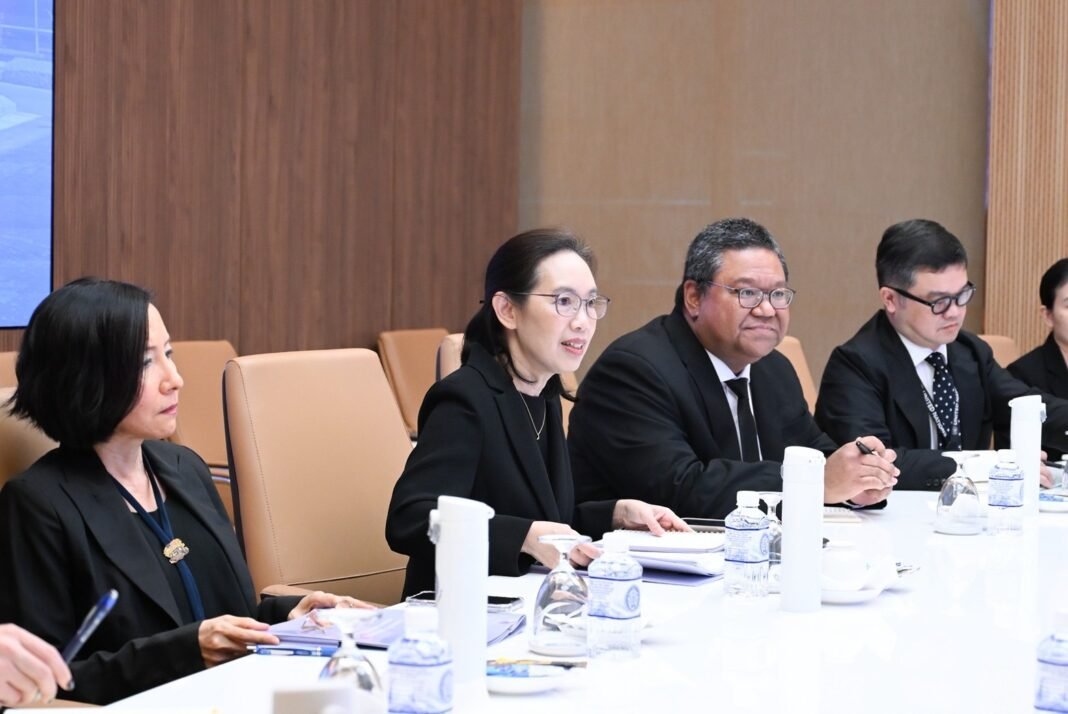
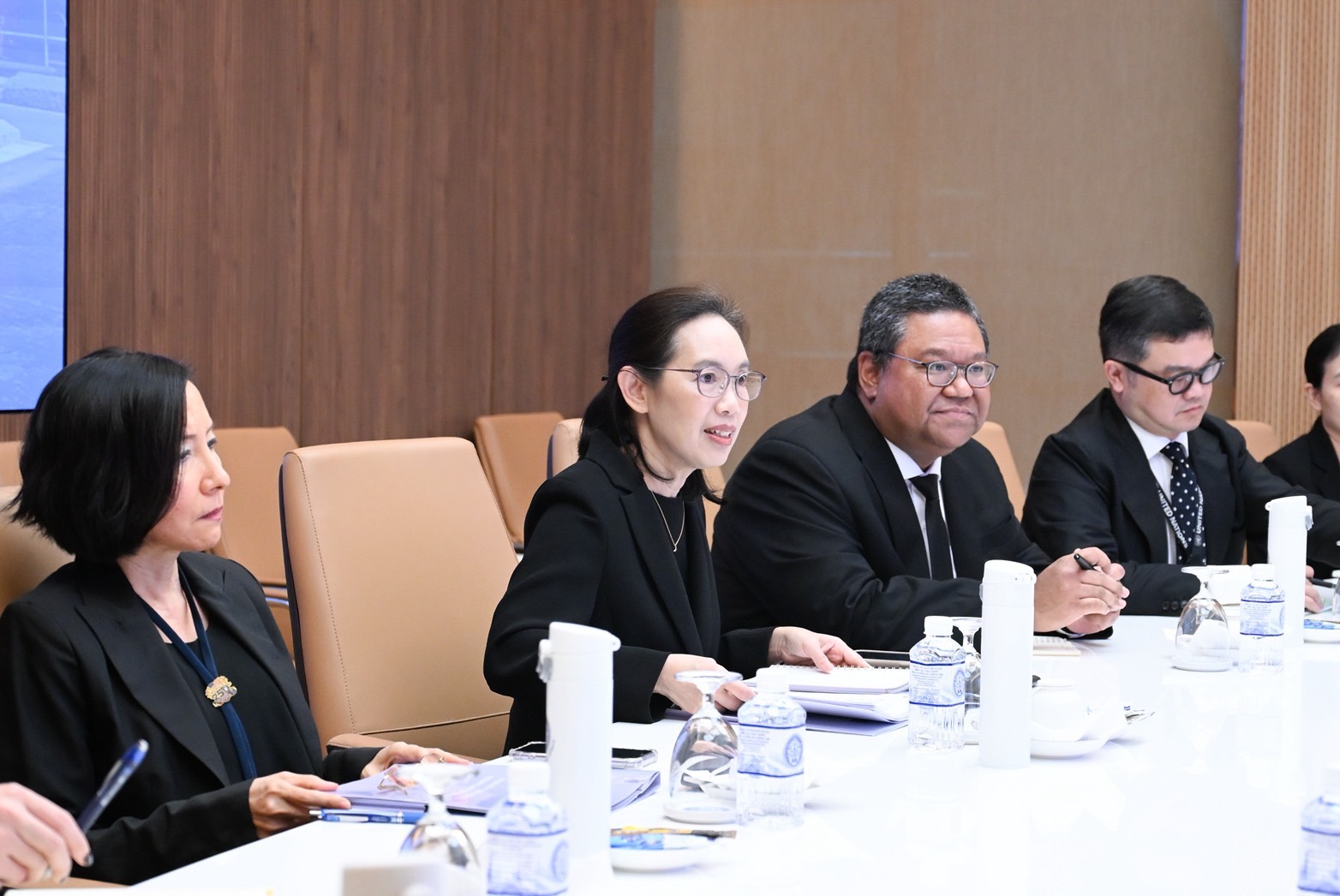
As set out in a formal announcement, On 1 October 2026, Mrs. Hattaya Khusakul, Director-General of the Department of American and South Pacific Affairs, met with Mr. Seth Bailey, Principal Deputy Assistant Secretary, Bureau of East Asian and Pacific Affairs, U.S. Department of State, on the occasion of the latter’s visit to Thailand. This meeting, accompanied by H.E. Mr. Sean Kotaro O’Neill, U.S. Ambassador to Thailand, occurred against a backdrop of acknowledged positive momentum in Thai-U.S. relations. The statement does not mention the purpose of the visit beyond “further strengthening mutually beneficial cooperation.” This suggests a continued prioritization of the existing strategic partnership, as articulated in the 20-Year “5S” Foreign Affairs Masterplan, a framework emphasizing security cooperation and diplomatic engagement.
Background
The statement does not mention a detailed timeline of prior meetings between Thai and U.S. officials. However, the meeting occurred in the context of ongoing diplomatic engagements outlined in the Ministry of Foreign Affairs’ annual report, specifically referencing previous meetings between the Director-General of the Department of Information and Spokesperson of the Ministry of Foreign Affairs and the Spokesperson of the U.S. Embassy in Thailand (1 September 2026) and the Deputy Prime Minister and Minister of Foreign Affairs and the Ambassador of the State of Israel to Thailand (8 September 2026). These meetings, as detailed in the Ministry’s archive, demonstrate a sustained effort to maintain high-level communication channels. The statement does not address the specific nature of the “strategic partnership” referenced, nor does it elaborate on the “continued progress” of bilateral trade negotiations. The 20-Year “5S” Foreign Affairs Masterplan, a core element of Thailand’s foreign policy, prioritizes security cooperation, as indicated by the meeting’s focus on defense and security cooperation. The statement does not provide details on the scope of discussions surrounding online scams, a key area of collaboration.
Analysis
The Thai Ministry’s focus on “mutually beneficial cooperation” and “facilitation for diplomatic and consular representatives” reveals a cautious approach, prioritizing established partnerships without explicitly defining new areas of engagement. The inclusion of “artificial intelligence” as a potential area of cooperation indicates a recognition of emerging global trends, though the statement does not detail any specific initiatives. The explicit mention of “exchange views on the Thailand-Cambodia situation” highlights a longstanding bilateral concern, reflecting Thailand’s ongoing diplomatic efforts to manage its relationship with Cambodia. The continued emphasis on defense and security cooperation aligns with Thailand’s broader security strategy, particularly in light of regional geopolitical dynamics. The reference to “facilitation” suggests an ongoing effort to streamline diplomatic processes and improve bilateral relations. The statement does not address the potential economic benefits of the trade negotiations, nor does it provide any indication of the current status of those talks. The lack of detail regarding the “positive momentum” in Thai-U.S. relations is notable, suggesting a deliberate effort to avoid specific commitments or promises.
Implications
For policymakers, the meeting underscores the importance of maintaining strong diplomatic ties with the United States, a key partner in regional security and economic development. The continued focus on defense and security cooperation aligns with Thailand’s strategic interests, particularly given regional security challenges. Should the visit yield further progress in facilitating diplomatic and consular representation, it could improve operational efficiency and strengthen bilateral relations. The inclusion of artificial intelligence as a potential area of cooperation signals a potential shift in Thailand’s foreign policy priorities, though the extent of this shift remains unclear. The discussion regarding the Thailand-Cambodia situation suggests a continued commitment to managing this complex bilateral relationship. The statement does not address the implications for regional stability or trade relations, though a strengthened partnership could positively impact both.
Outlook
If the visit yields a commitment to explore artificial intelligence collaboration, Thailand would likely prioritize technical assistance and knowledge transfer from the United States. Should the discussions on the Thailand-Cambodia situation result in a joint initiative to address border disputes, it would represent a significant step toward regional stability. The statement does not offer any explicit projections regarding the trade negotiations, but a continued dialogue could lead to further tariff reductions and increased market access. The visit’s success depends on the willingness of both sides to build upon existing relationships and address shared concerns. The statement does not address potential challenges or obstacles to continued cooperation, such as differing political priorities or security concerns.
Conclusion
The meeting between Mrs. Khusakul and Mr. Bailey represents a continuation of established diplomatic channels, but the lack of specific outcomes – particularly regarding new areas of cooperation – leaves open the question of Thailand’s long-term strategic priorities in its relationship with the United States.
Sources & Further Reading
- Official press release
- Foreign ministry source
- Director-General of Information Department and Spokesperson of the Ministry of Foreign Affairs meets with Spokesperson of the U.S. Embassy in Thailand (1 Sep 2026)
- Director-General of the Department of South Asian, Middle East and African Affairs meets with Ambassador of the Republic of Uganda to Thailand (5 Oct 2026)
- Deputy Prime Minister and Minister of Foreign Affairs meets with Ambassador of the State of Israel to Thailand (8 Sep 2026)