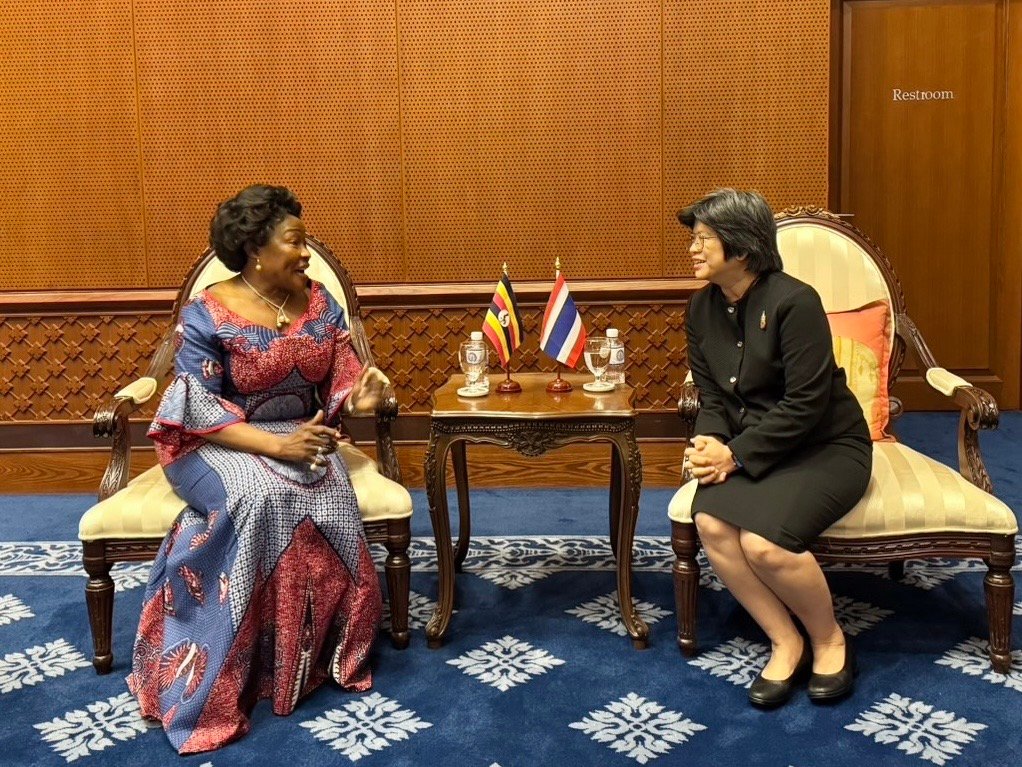

The foreign ministry readout describes
Background
The announcement follows previous statements by the Ministry of Culture regarding evolving immigration procedures, specifically outlining alignment with European standards commencing on 1st October 2026. stated that the procedure for initial residency applications for third-country nationals wishing to settle in Luxembourg would be optimized and harmonized with European practices. This shift, alongside the broader European Heritage Days initiative, suggests a concerted effort by the government to highlight Luxembourg’s cultural assets to both domestic and international audiences.
Analysis
The simultaneous opening of the Grand Ducal Palace, the Chamber of Deputies, and several ministries represents a significant investment of public resources. The timing, coinciding with the European Heritage Days (16-18 October 2026), indicates a deliberate strategy to maximize visibility and engagement. The inclusion of the INPA’s architectural festival, running concurrently, further underscores the government’s commitment to promoting Luxembourg’s built heritage. The stated goals – “preservation and valorisation” – align with broader European Union initiatives regarding cultural heritage protection, but the specific mechanisms for achieving these remain unclear. The invitation to contribute to sectorial discussions reflects a desire for collaborative policymaking on heritage issues.
Implications
For policymakers, the event presents an opportunity to demonstrate transparency and accessibility, particularly regarding the functions of the state. The coordinated opening of institutions offers a tangible demonstration of the government’s commitment to safeguarding its cultural heritage. Regionally, the initiative could stimulate tourism and cultural engagement within Luxembourg City and surrounding areas. The festival organized by the INPA has the potential to raise awareness of architectural heritage beyond the capital, encouraging preservation efforts in rural communities. Trade and security implications are minimal, focusing solely on cultural diplomacy.
Outlook
Should the visit yield increased public interest in heritage preservation, the government may consider further initiatives to support local heritage organizations and promote cultural tourism. If the Assises sectorielles generate concrete recommendations, the Ministry of Culture will need to translate those into specific policy changes. The government’s commitment to free access to all manifestations of the Journées du Patrimoine suggests a sustained investment in this area, contingent on securing ongoing funding.