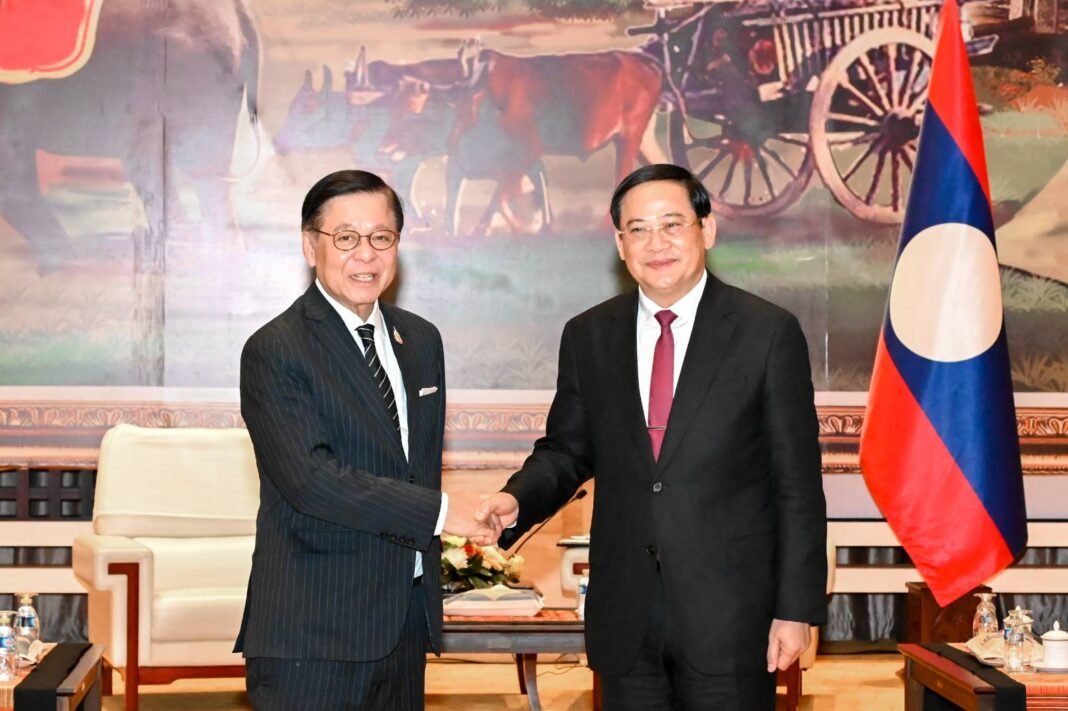
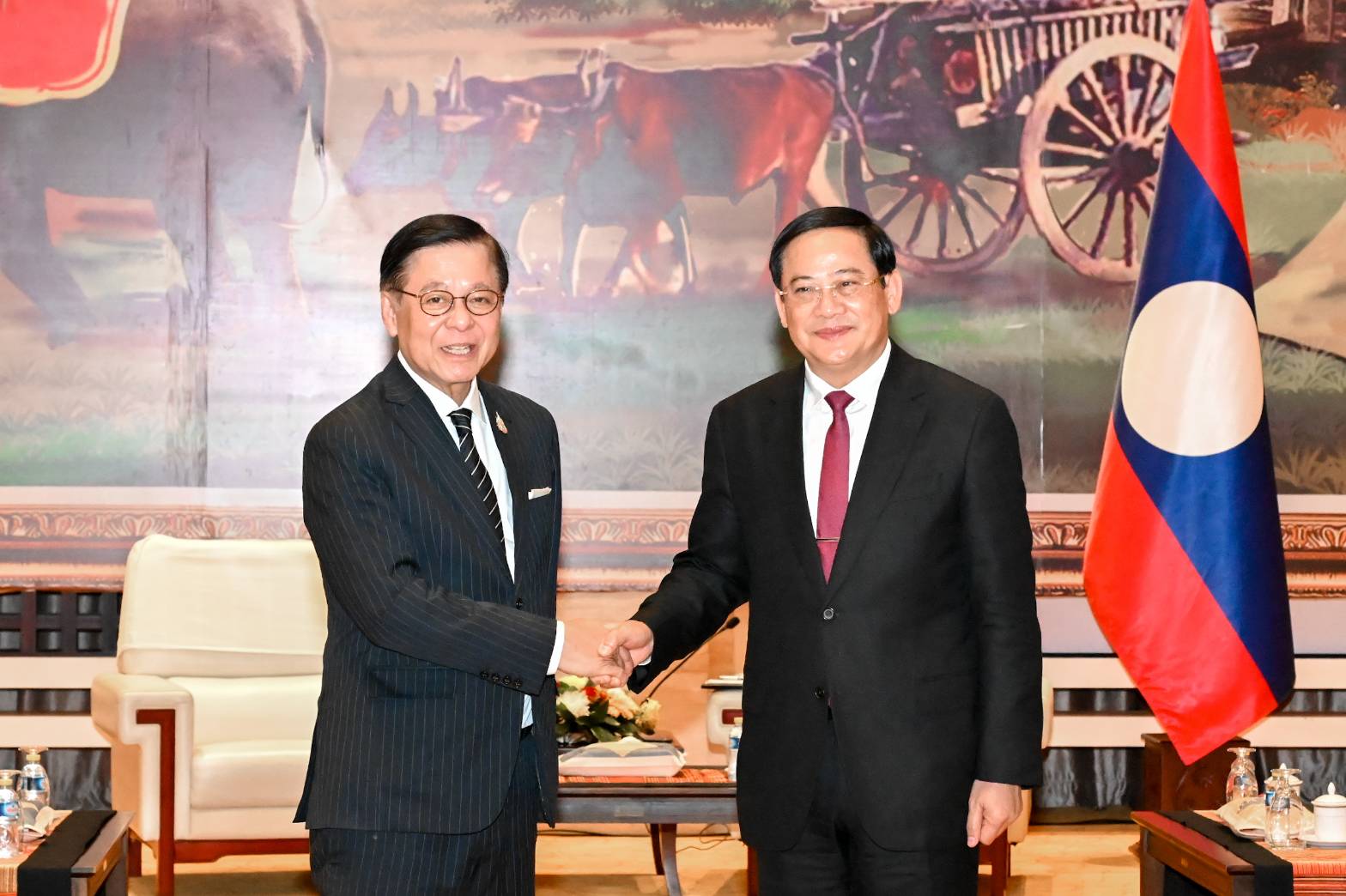
On 1 October 2026, Deputy Prime Minister and Minister of Foreign Affairs, Sihasak Phuangketkeow, engaged in a courtesy call with Prime Minister Sonexay Siphandone of the Lao People’s Democratic Republic at the National Convention Centre in Vientiane. This meeting, as detailed in the Ministry of Foreign Affairs press release, represents a continuation of high-level diplomatic engagement between the two nations. The statement does not mention the specific duration of the visit beyond the initial meeting.; see the full statement.
Background
Prior to this visit, Thailand and the Lao PDR have maintained a consistent pattern of diplomatic engagement, frequently utilizing the framework established by the 20-Year “5S” Foreign Affairs Masterplan. This plan, outlined in the Ministry of Foreign Affairs’ strategic document, prioritizes security, stability, and sustainable development within the region. The statement does not address the specific details of the Masterplan’s implementation or any recent revisions. Furthermore, the Ministry’s earlier statement on 30 September 2026, concerning a similar visit, highlighted the ongoing commitment to fostering close ties and promoting common interests. The statement does not address any specific discussions or outcomes from that prior visit.
Analysis
The core of this visit centers on Thailand’s strategic interest in regional connectivity, particularly through investments in infrastructure. The focus on the Vientiane Logistics Park, developed as a special economic zone and regional distribution center, signals a commitment to facilitating trade and economic growth within the Mekong region. The stated goal of 11 billion USD in trade by 2027, alongside the development of border areas and energy security, demonstrates Thailand’s ambition to solidify its position as a key trading partner and regional hub. The emphasis on transport between Thailand and the Lao PDR – a “key pillar of regional connectivity” – suggests a recognition of the logistical challenges hindering trade flows. The visit’s emphasis on addressing transboundary haze pollution indicates a shared concern for environmental stability, a common priority given the region’s vulnerability to climate-related issues. The statement does not address the potential economic impact of this increased connectivity on local communities or the environmental risks associated with expanded infrastructure projects.
Implications
This visit carries implications for regional stability and Thailand’s broader foreign policy objectives. The commitment to combating narcotic drugs and online scams reflects a shared responsibility within the Mekong region to address transnational crime. The focus on trade and economic development could potentially strengthen Thailand’s influence within ASEAN and attract further investment. The development of the Vientiane Logistics Park, if successful, could significantly enhance trade flows between Thailand and the Lao PDR, impacting neighboring countries as well. Should the trade target of 11 billion USD be achieved, it would represent a substantial increase in bilateral trade and highlight Thailand’s continued economic engagement in Southeast Asia. The statement does not address the potential geopolitical ramifications of increased connectivity, particularly concerning regional power dynamics.
Outlook
If the discussions regarding transport and regulatory alignment yield tangible results – specifically, the adoption of streamlined procedures – it could significantly accelerate trade flows between Thailand and the Lao PDR. Should the Logistics Park’s development continue to attract foreign investment and generate economic activity, it could contribute to broader economic growth in the Lao PDR. However, this hinges on the successful resolution of logistical challenges and the ability of the Lao government to effectively manage the zone. The visit’s focus on connectivity also suggests a potential expansion of Thailand’s infrastructure investments into neighboring countries, contingent on securing favorable agreements and addressing any potential security concerns. The statement does not address the potential for disagreements or challenges arising from these developments.
Conclusion
The meeting between the two Prime Ministers represents a continuation of diplomatic engagement focused on economic connectivity. The ongoing discussions regarding trade targets and infrastructure development highlight Thailand’s strategic priorities within the Mekong region, but the ultimate success of these initiatives remains contingent on navigating complex logistical, regulatory, and potentially geopolitical challenges.
Sources & Further Reading
- Official press release
- Foreign ministry source
- Deputy Prime Minister and Minister of Foreign Affairs to pay official visit to Lao PDR (30 Sep 202)
- Deputy Prime Minister and Minister of Foreign Affairs Pays Official Visits to the Federal Republic of Nigeria and the Federal Democratic Republic of Ethiopia (2 Sep 2026)
- Deputy Prime Minister and Minister of Foreign Affairs meets with Ambassador of the People’s Republic of Bangladesh to Thailand (22 Sep 202)