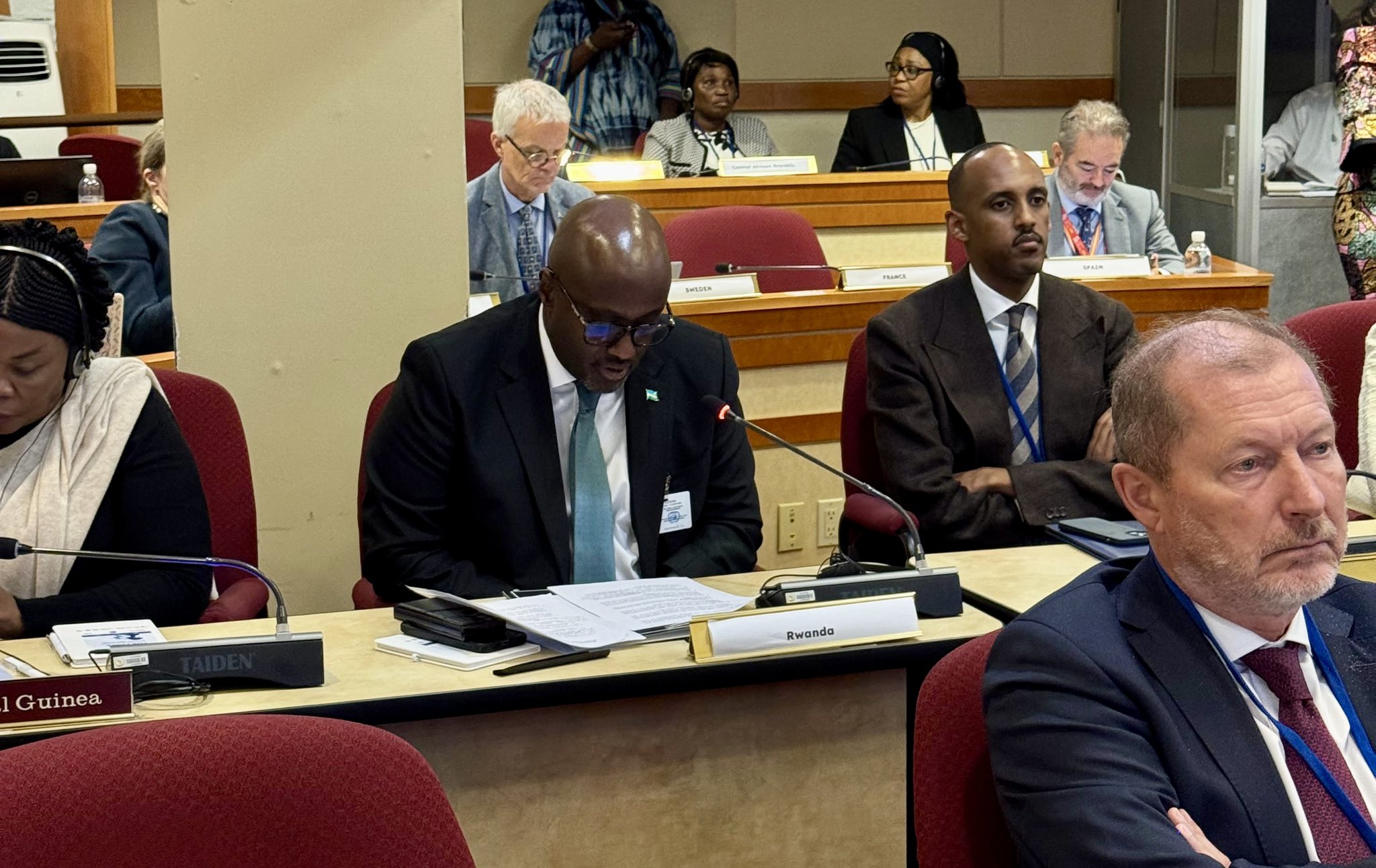
A ministry communiqué confirms that The most consequential element of the press release is Minister Olivier J.P. Nduhungirehe’s participation in a High-Level Session on Advancing the Women, Peace and Security Agenda in Peace Efforts for the Great Lakes Region at the 81st Session of the UN General Assembly. This signifies Rwanda’s continued prioritization of this agenda within the context of regional stability. The statement does not mention the specific outcomes of the session, but the act of participation itself is a notable indicator of Rwanda’s diplomatic activity during this period. This engagement directly relates to the ongoing efforts in the Great Lakes region, a historically complex area characterized by ongoing political and security challenges.
Background
The statement does not mention prior meetings or agreements. However, the event occurred on the margins of the 81st Session of the UN General Assembly (UNGA81), a forum for multilateral diplomacy and the presentation of national positions on global issues. Rwanda’s attendance at UNGA81 is a recurring occurrence, and this session specifically targeted the Women, Peace and Security Agenda, a UN priority. The press release also notes Rwanda’s assumption of the G77 Chairmanship for 2027, and its signing of cooperation agreements with Armenia, Uruguay, Cyprus, Togo and Ukraine during the same period. These agreements, as detailed in separate press releases, demonstrate Rwanda’s active engagement in building bilateral relationships across multiple regions. The ministry’s archive shows Rwanda and Uruguay signed a General Cooperation Agreement in September 2026, and Rwanda and Cyprus signed an Air Services Agreement in September 2026. The ministry also signed an Agreement on mutual visa exemption with Armenia in September 2026.
Analysis
Minister Nduhungirehe’s remarks underscore the recognized importance of women’s inclusion in peace processes, a globally acknowledged strategic imperative. The focus on the Great Lakes Region suggests a targeted approach to addressing persistent instability and conflict dynamics within that area. Rwanda’s participation in this session, alongside its simultaneous engagement in numerous other bilateral agreements, paints a picture of a nation actively pursuing multiple diplomatic avenues. The statement does not address Rwanda’s motivations for prioritizing this agenda or the specific challenges it anticipates in the Great Lakes Region. The signing of numerous agreements simultaneously – with Armenia, Uruguay, Cyprus, Togo and Ukraine – suggests a diversification of Rwanda’s diplomatic efforts, potentially reflecting a broader strategy for economic and political influence. The statement does not address Rwanda’s role within the G77.
Implications
Rwanda’s commitment to the Women, Peace and Security Agenda carries implications for regional security, particularly within the context of the Great Lakes Region. Should the visit yield progress in advocating for women’s participation in peacebuilding, it could contribute to more sustainable and inclusive conflict resolution efforts. The simultaneous pursuit of bilateral agreements with nations across diverse geographical areas could enhance Rwanda’s economic and political standing. The statement does not address the potential impact of these agreements on Rwanda’s trade relationships or its broader geopolitical strategy. The actions taken at UNGA81 could influence the terms of future trade deals and security collaborations.
Outlook
If the visit yields discussions regarding the implementation of the Women, Peace and Security Agenda within the Great Lakes Region, it is conditional on the willingness of regional actors to embrace these principles. Should Rwanda’s diplomatic efforts prove successful in promoting women’s leadership and participation in peace processes, it could contribute to a more stable and prosperous future for the region. The statement does not address whether Rwanda intends to pursue further engagement with regional organizations or individual states to advance this agenda. The visit’s success hinges on the receptiveness of other nations to Rwanda’s proposals.