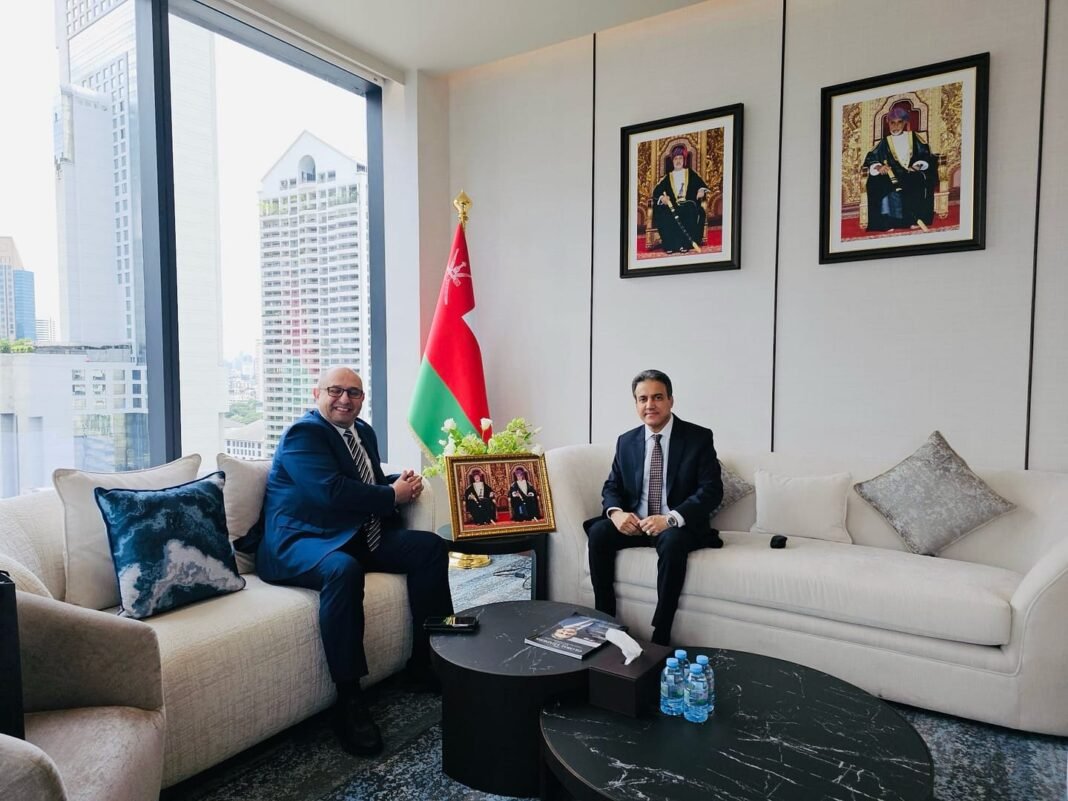
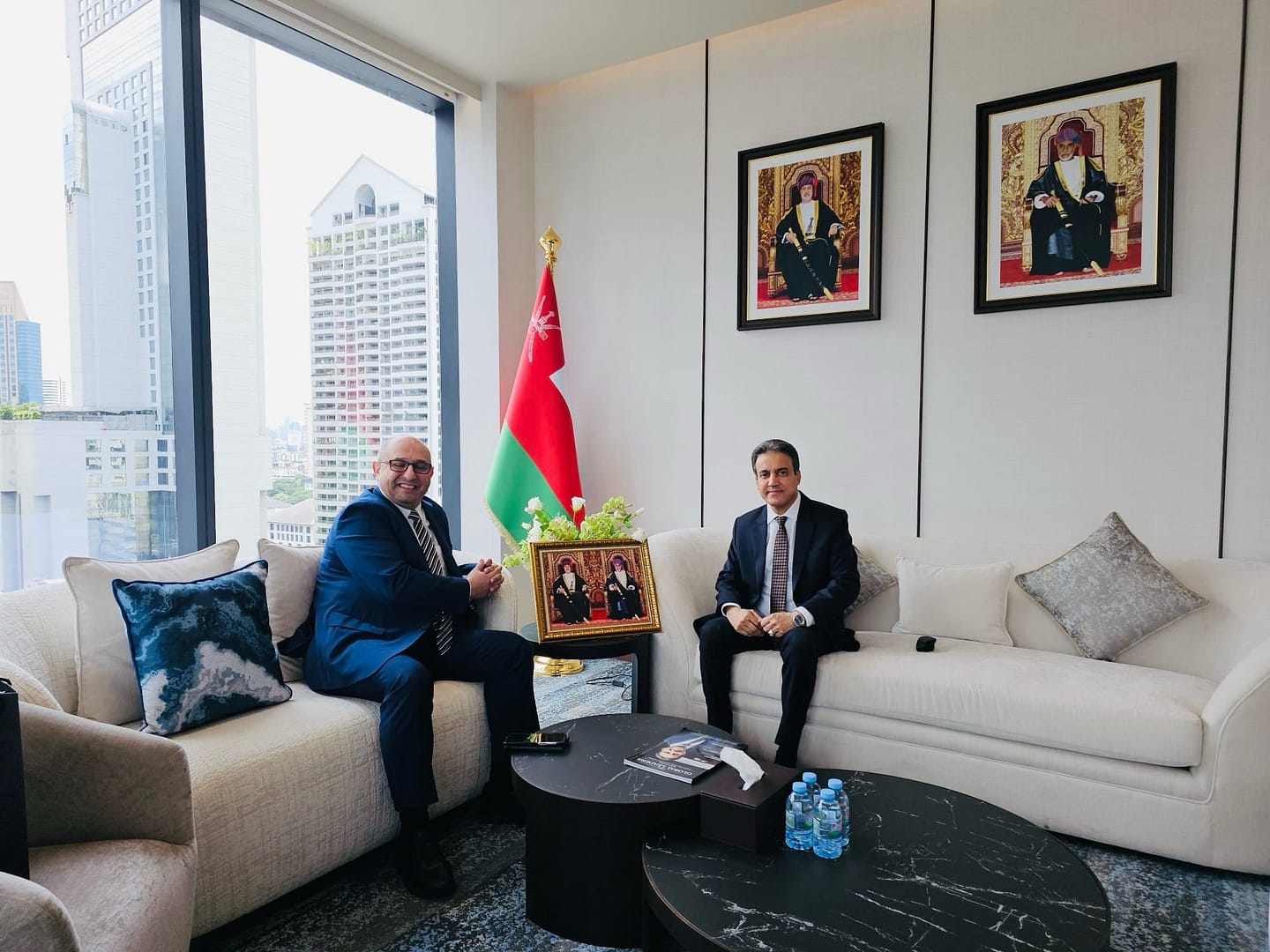
A ministry communiqué confirms that Ambassador Issa bin Abdullah Alalawi, Head of the Sultanate of Oman’s Mission to the Kingdom of Thailand, received Dr Meshal Ahmed Al-Mansour, the newly appointed Ambassador of the State of Kuwait to Thailand, on 14 August 2026. This exchange represents an introductory visit undertaken by the new Kuwaiti Ambassador. The statement does not address the purpose of this engagement beyond a standard diplomatic protocol.
Background
The Ministry of Foreign Affairs notes that this mission is part of the customary introductory visits undertaken by newly appointed ambassadors. The press release provides no information about prior meetings between Omani and Kuwaiti officials or the specific context driving this diplomatic step. It references other recent statements, including condemnation of Colombian actions regarding Syria and a call for new Gulf security policies.
Analysis
The visit’s significance lies in Oman’s continued efforts to diversify its diplomatic portfolio beyond traditional partnerships within the GCC. Thailand represents a strategically important location within Southeast Asia, offering access to regional trade routes and potentially serving as a platform for engagement with other nations. The statement does not address whether this engagement reflects a broader shift in Omani foreign policy, particularly given recent expressions of concern regarding international conflicts.
The exchange also highlights Kuwait’s own diplomatic initiatives following its appointment of a new ambassador. This suggests an effort to proactively cultivate relationships within the region. The content of the visit itself remains unspecified, leaving open questions about Oman’s objectives and whether this represents a deepening of ties with Kuwait or a broader attempt to establish influence in Thailand.
Implications
This visit has implications for regional stability. Should the visit yield positive outcomes regarding security cooperation, it could contribute to de-escalation efforts within volatile areas. The statement does not address whether this engagement will impact Oman’s ongoing diplomatic initiatives concerning the conflict in Syria or its stance on broader Gulf security issues.
Furthermore, the activity impacts trade and security dynamics in Southeast Asia. Strengthening ties with Kuwait could bolster Omani access to regional markets. The visit’s success depends heavily on Thailand’s willingness to engage constructively on these matters – a factor not disclosed in the statement.
Outlook
If the visit yields an opportunity for discussion regarding regional security concerns, Oman may seek to leverage its position as a mediator. Should the visit produce no tangible outcomes, it will likely be viewed as a routine diplomatic exercise. The statement does not address whether this represents a prelude to further engagement with Thailand or Kuwait on specific issues.
Conclusion
The exchange between ambassadors underscores Oman’s commitment to active diplomacy, but the lack of detail surrounding the visit leaves its strategic implications ambiguous. The statement does not signal a discernible shift in Omani foreign policy priorities – leaving open questions regarding Oman’s long-term engagement within Southeast Asia.