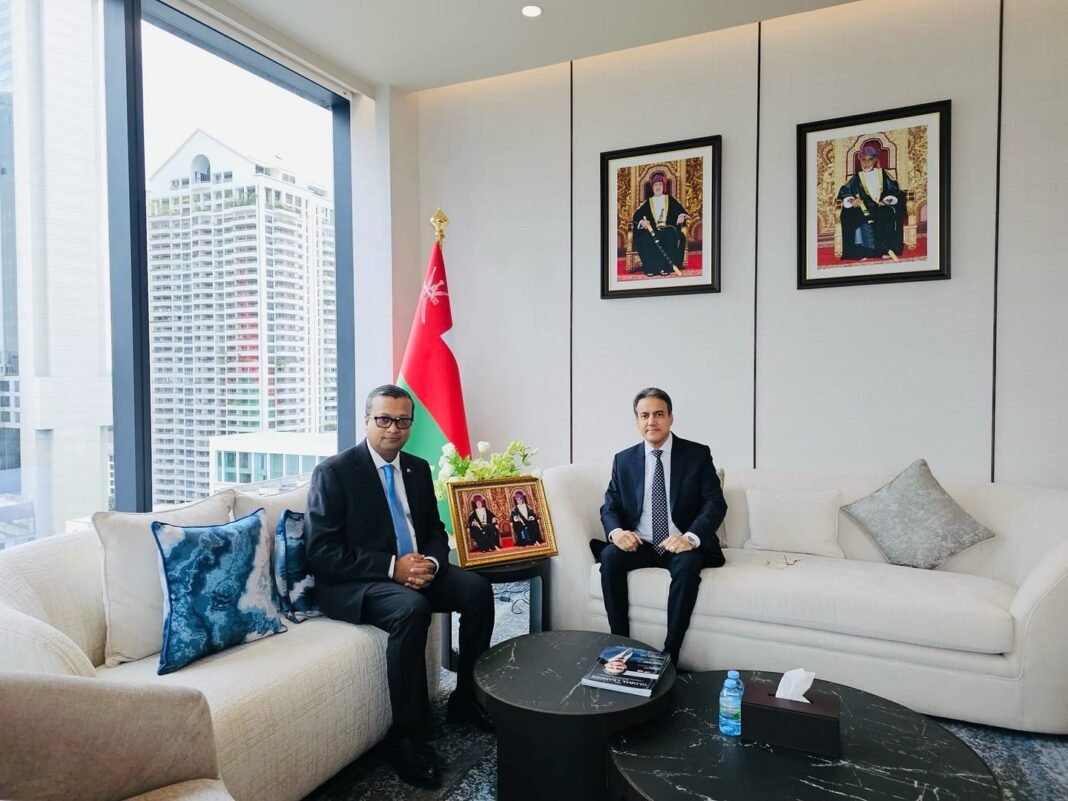
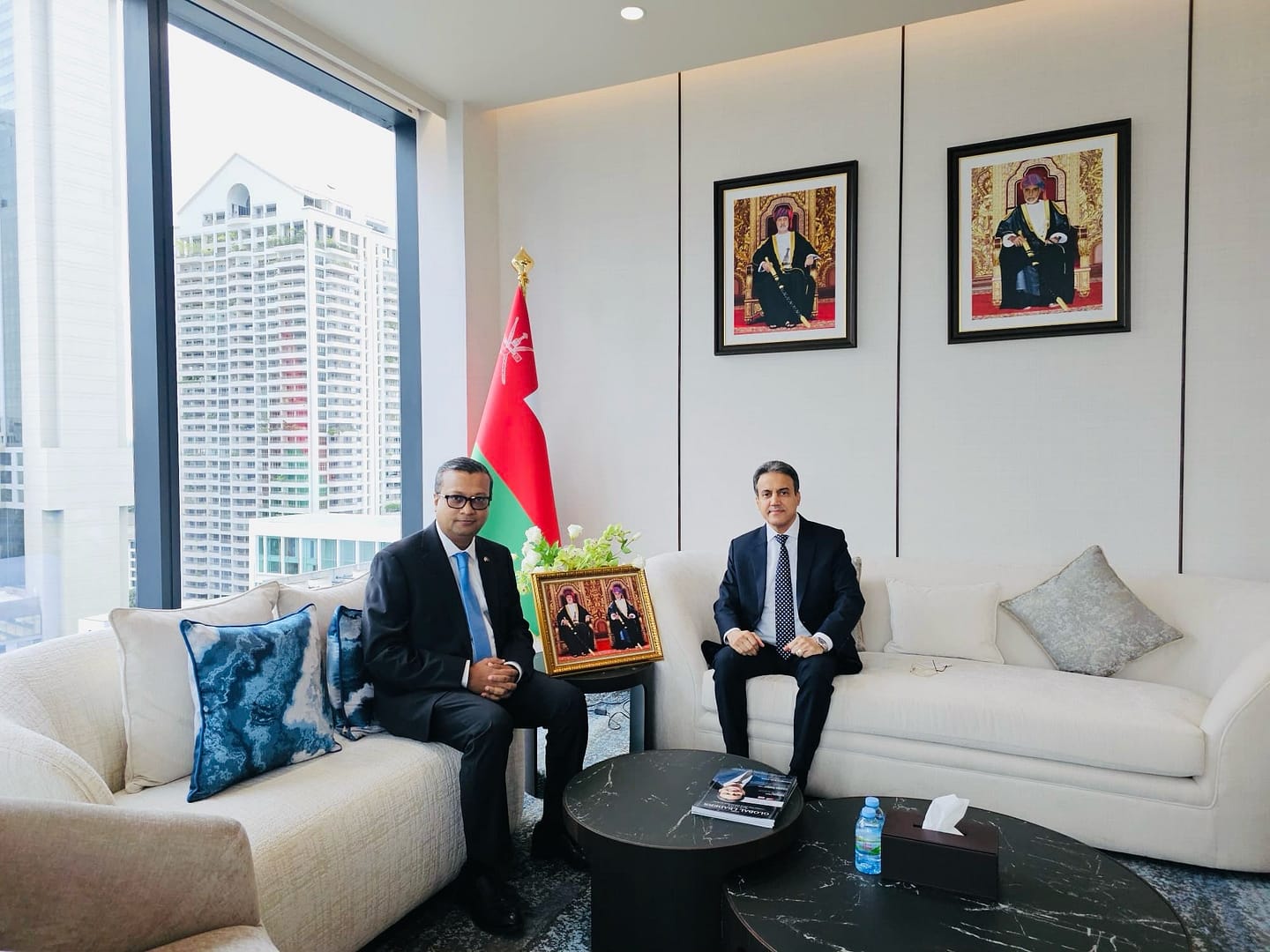
The foreign ministry readout describes On 10 August 2026, Issa Abdullah Alalawi, Ambassador of the Sultanate of Oman to Thailand, received Ambassador Andaleeb Elias, Ambassador-designate of the friendly People’s Republic of Bangladesh to the Kingdom of Thailand, as part of his introductory visits following his assumption of duties. This exchange represents a discrete diplomatic engagement within a broader pattern of activity for the Omani Foreign Ministry. The statement does not address the specific agenda or duration of the meeting.
Background
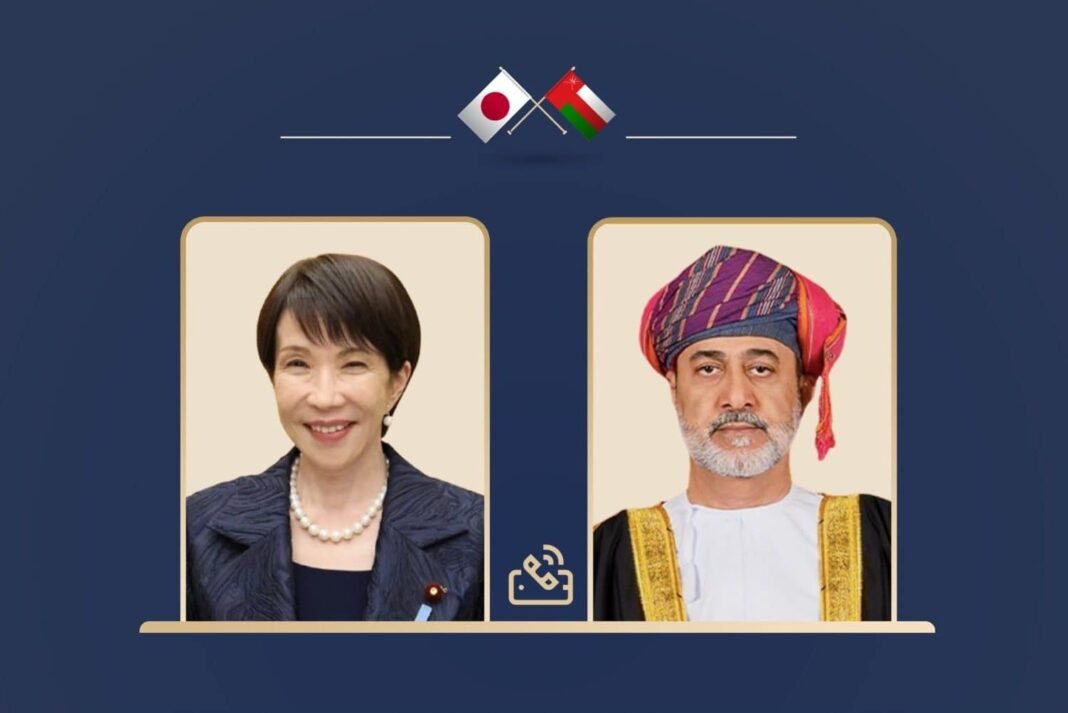
This visit follows previous meetings, including a phone call from Japanese Prime Minister on 9 August 2026 and a special visit to the Emir of Qatar on 8 August 2026. The Ministry of Foreign Affairs has recently issued statements condemning repeated attacks on vessels in the Strait of Hormuz (Oman condemns repeated attacks on vessels in Strait of Hormuz – 20 August 2026) and stressing the need to avoid escalation in the Red Sea (Oman stresses need to avoid escalation in Red Sea – 14 July 2026). These actions, alongside the Ambassador’s introductory visit, demonstrate a continued engagement with key regional actors.
Analysis
The meeting between Alalawi and Elias is likely focused on fostering cooperation within the broader Gulf region. The statement does not address the specific objectives of this engagement. Oman’s recent condemnations, particularly concerning incidents in the Strait of Hormuz, suggest a steadfast commitment to maritime security – a position that may be tested by ongoing instability. If implemented as described, this meeting could represent an effort to mitigate regional tensions.
Implications
The increasing diplomatic activity from the Omani Foreign Ministry has implications for regional stability. The focus on de-escalation in the Red Sea is a direct response to heightened risks stemming from recent attacks. Should the visit yield positive results, it could reinforce Oman’s role as a mediator in these disputes. The statement does not address potential impacts on trade routes or security alliances.
Outlook
If the visit produces a commitment to dialogue, Oman might play a key role in facilitating discussions between regional actors. Should the Bangladeshi Ambassador’s arrival signal increased engagement with Southeast Asia, it could broaden Oman’s diplomatic footprint. However, given the continued tensions surrounding maritime security, Oman’s strategic posture is likely to remain cautiously vigilant.
Conclusion
The meeting in Thailand highlights a delicate balancing act for the Omani Foreign Ministry – prioritizing regional stability while safeguarding its own national interests. The lack of detail regarding the discussions leaves open the question of whether this engagement represents a genuine shift towards proactive diplomacy or simply a continuation of Oman’s established approach to managing regional crises.