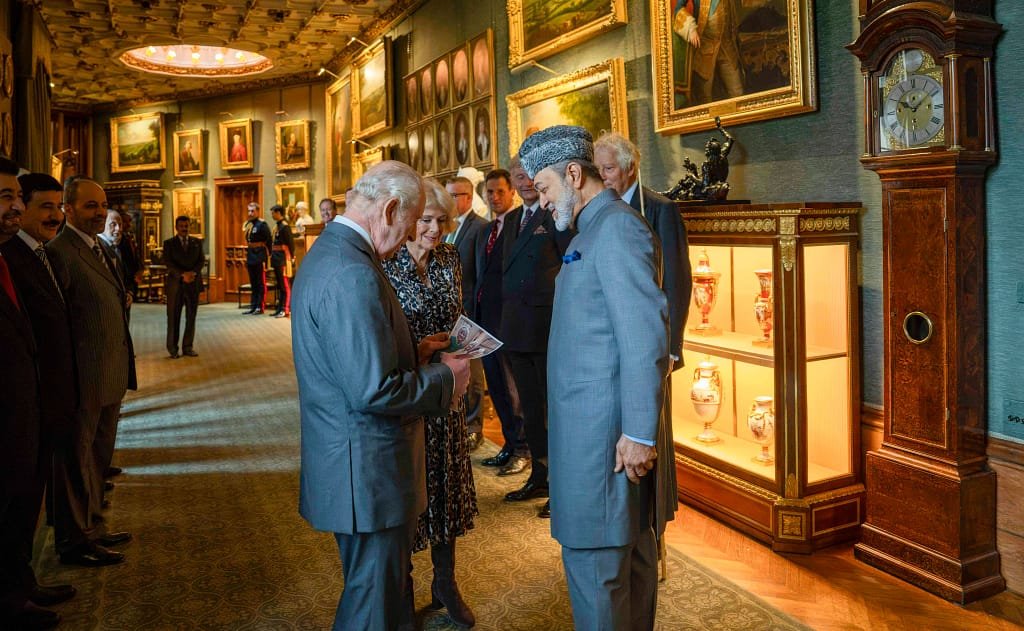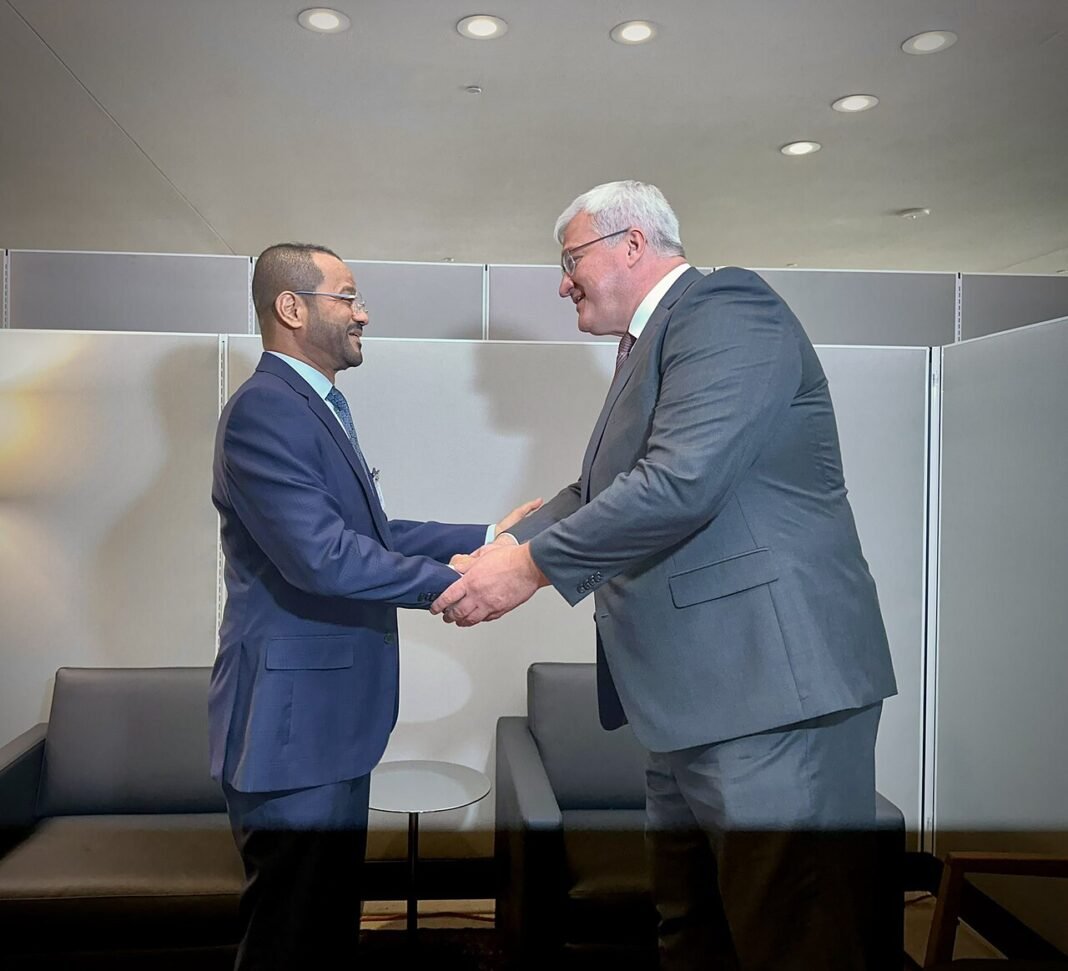
The official readout frames the trip as Oman’s longstanding friendship with the United Kingdom is a cornerstone of its foreign policy, according to a statement released by the Ministry of Foreign Affairs on 21 October 2026. The enduring relationship, formalized through numerous treaties over the past three centuries, was highlighted during a meeting between Foreign Minister Sayyid Badr Albusaidi and Ed Miliband, the United Kingdom’s Secretary of State for Foreign, Commonwealth and Development Affairs. This visit, at the invitation of His Majesty King Charles III, marks a significant moment in this partnership, offering an opportunity to celebrate shared history and explore future collaborations. The statement notes that “some relationships between nations acquire a significance that reaches far beyond the agreements and institutions through which they are expressed,” reflecting a deep-seated connection between the two countries’ peoples.

Background
The foundation of this relationship dates back to 1647, with the Agreement with the British East India Company. Subsequent treaties with the British government in 1798 and 1800 have served as crucial components of the partnership. The statement emphasizes the “shared experience of their peoples, shaped by generations of sharing,” highlighting the long-term nature of this bond. Prior to this state visit, in March the ministry said political and diplomatic relations between the Sultanate of Oman and the United Kingdom are among the longest established relationships in the region. Minister Albusaidi met Ed Miliband, the United Kingdom’s Secretary of State for Foreign, Commonwealth and Development Affairs, in London, as part of the State Visit of His Majesty Sultan Haitham bin Tarik to the United Kingdom.
Analysis
The focus on “renewed purpose and ambition” suggests a deliberate effort to recalibrate the relationship following a period of relative quiet. The statement’s emphasis on Oman’s Vision 2040, with its focus on economic diversification, sustainability, and human potential, directly aligns with the United Kingdom’s strengths in education, research, and technology. The fact that the United Kingdom is “by some margin Oman’s largest source of foreign direct investment” reflects a considerable degree of confidence in Oman’s economic prospects. The inclusion of “renewable energy, green hydrogen, advanced technologies, manufacturing and other sectors that will shape the economies of tomorrow” indicates a strategic shift, prioritizing sectors aligned with global sustainability trends. The Comprehensive Agreement on Enduring Friendship, signed in 2019, provides a framework for cooperation that is “both broad in its ambitions and practical in its benefits.”
Implications
The strengthening of ties with the United Kingdom has significant implications for regional stability. Oman’s long-standing role as a mediator in regional conflicts positions it to leverage this relationship for continued diplomatic engagement. The potential for increased investment in renewable energy and green hydrogen aligns with broader global efforts to mitigate climate change. The partnership’s focus on advanced technologies and manufacturing could bolster Oman’s industrial diversification efforts. The continued close understanding between the two countries on regional and international affairs suggests a shared commitment to promoting dialogue and constructive engagement.
Outlook
Should the visit yield a strengthened commitment to renewable energy projects, Oman could become a key player in the global transition to a low-carbon economy. If the discussions regarding advanced technologies prove fruitful, it could provide a significant boost to Oman’s industrial sector. The continued emphasis on human relationships, particularly the connections being built between young Omanis and Britons, suggests a long-term investment in future collaboration.
Conclusion
The State Visit and subsequent meetings, as outlined in the statement, represent a deliberate effort to solidify a partnership with the United Kingdom, one that stretches back centuries and now seeks to encompass a future defined by shared economic and strategic interests. The question remains: will this renewed ambition translate into tangible outcomes, particularly in the realm of sustainable development?