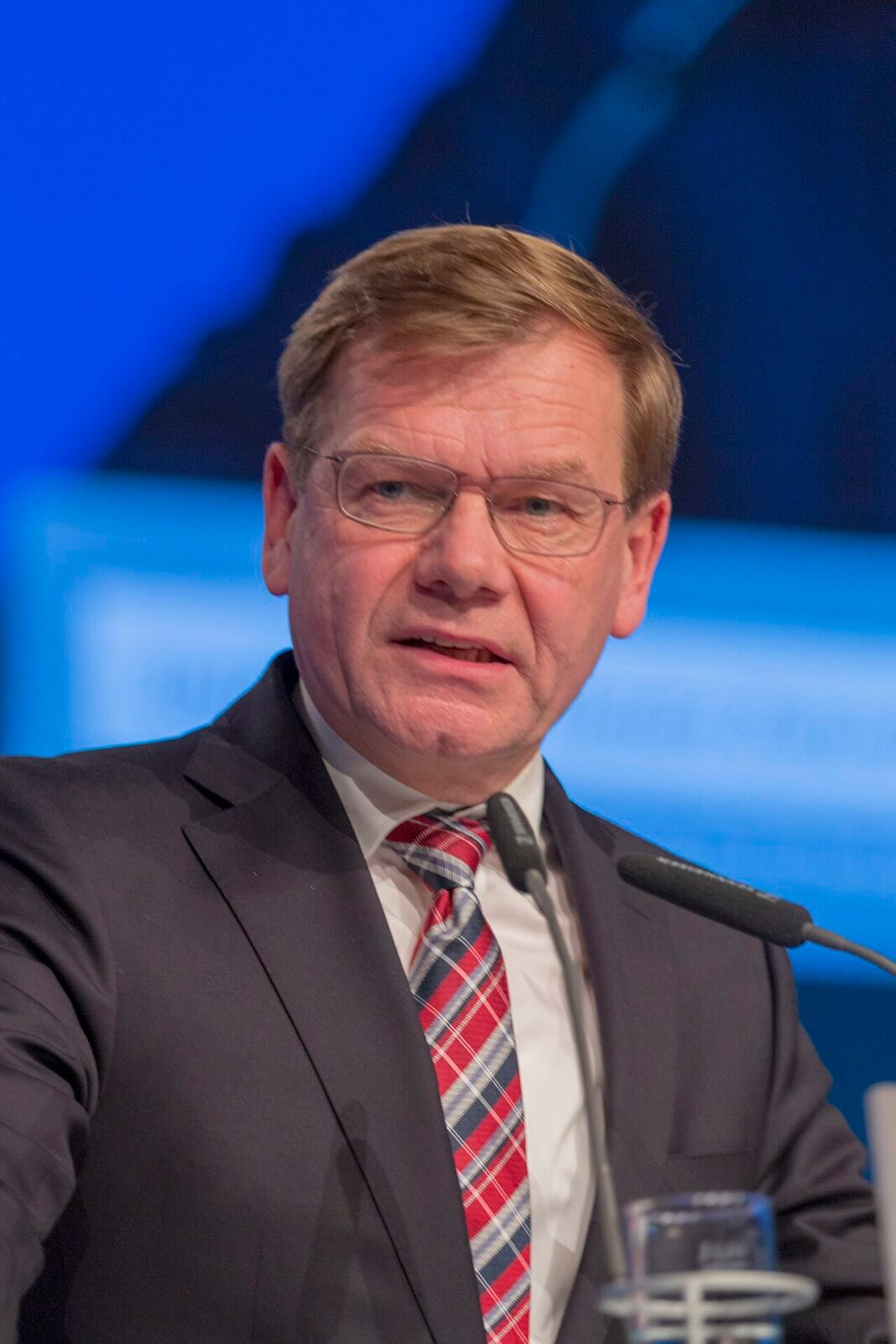
A ministry communiqué confirms that Foreign Minister Johann Wadephul departed today (14 September 2026) for Budapest, marking the first visit by a German Foreign Minister in nearly seven years. The statement indicates a deliberate attempt to re-establish relations with the Hungarian government, framed as a response to a ‘political shift’ and a recognized ‘opportunity’ following key reforms implemented by the new administration. This visit signifies a strategic effort to bolster economic ties and reinforce a commitment to shared European security interests, particularly in the face of escalating threats from Russia.

Background
The statement highlights a significant gap in diplomatic engagement between Germany and Hungary, spanning almost seven years. The Hungarian government’s recent reforms, including the return to the rule of law and implementation of EU provisions, are presented as positive developments for Europe and Hungary’s economy. This context is presented as a key driver for the renewed focus on bilateral relations, alongside a shared history of pivotal moments like the fall of the Iron Curtain.
Analysis
The visit’s primary objective appears to be securing a reliable partnership with the Hungarian government. The statement emphasizes the potential for German companies, which currently provide 250,000 jobs in Hungary, to benefit from a ‘level playing field’ facilitated by the reforms. However, the phrasing suggests a degree of cautious optimism, acknowledging a significant shift in the political landscape. The inclusion of the Leipzig attack and Russia’s hybrid attacks on Europe reveals a heightened security context, suggesting Germany’s motivations extend beyond purely economic considerations. The statement does not address Germany’s concerns regarding Hungary’s democratic backsliding.
Implications
This renewed engagement carries implications for regional stability. Germany’s willingness to work with the Hungarian government, despite concerns about its democratic record, could influence other EU member states’ approaches to relations with Budapest. The focus on economic cooperation, particularly with German companies, suggests an attempt to leverage economic incentives to shape Hungarian policy. The shared commitment to addressing Russia’s actions highlights a potential area of collaboration within the broader EU framework. The visit does not directly address trade or security commitments.
Outlook
Should the visit yield a commitment to continued EU alignment and a strengthened security partnership, Germany would be bolstering its position within the European Union. If the Hungarian government resists further reforms or continues to challenge EU norms, Germany’s approach will likely remain cautious, prioritizing economic engagement while maintaining a firm stance on fundamental values. Should the delegation of German firms find that the reforms have not delivered the desired conditions for investment, the statement does not address a potential shift in German policy.
Conclusion
The visit’s success hinges on the Hungarian government’s willingness to genuinely embrace European norms and values. The statement offers a framework for rebuilding trust, but the underlying question remains: can Germany and Hungary forge a durable partnership in a rapidly changing geopolitical environment?