
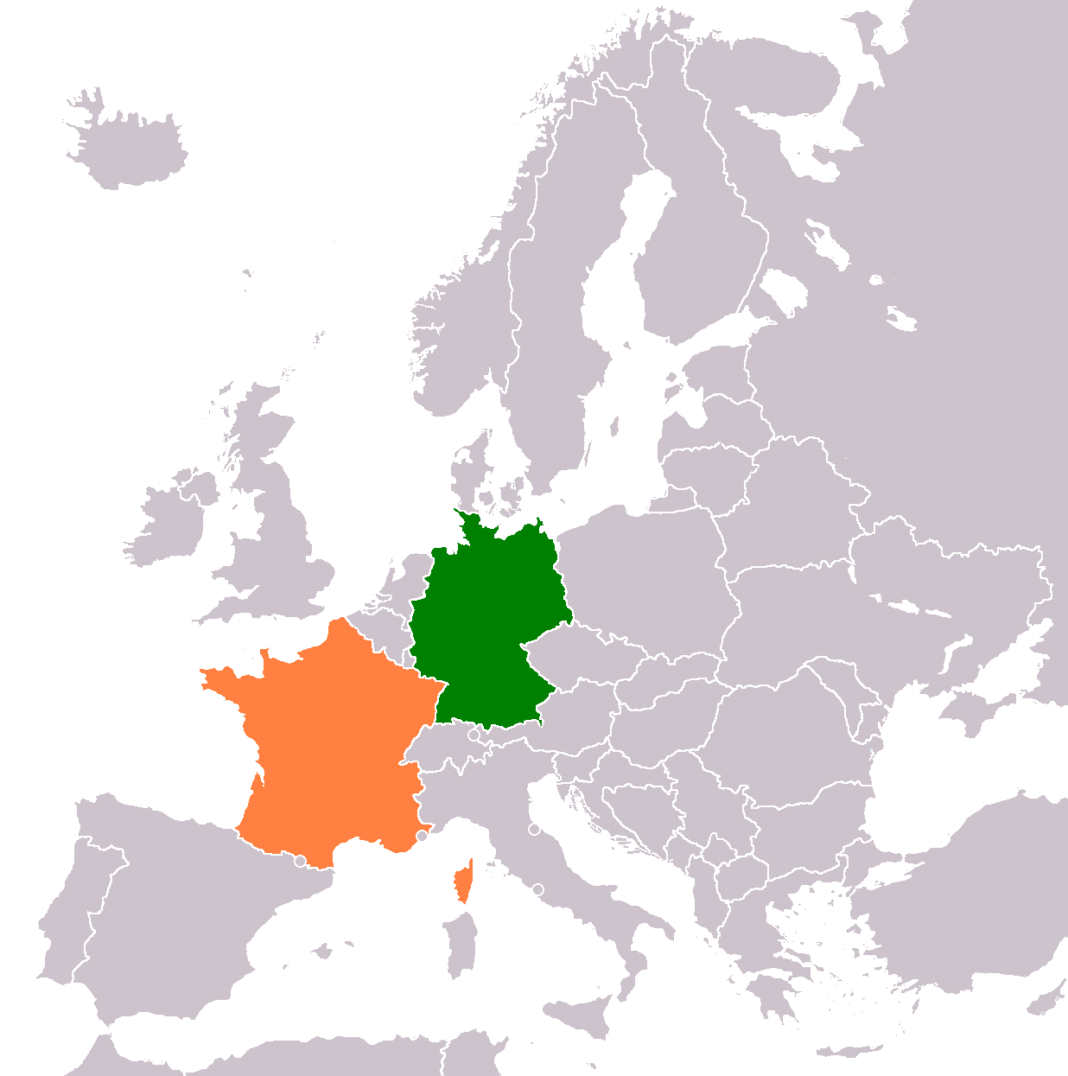
The Weimar Triangle – a longstanding cooperation forum between Germany, France, and Poland – convened in Giżycko, Poland, on to discuss European security. The meeting, held in the Warmian-Masurian Voivodeship, a region bordering Russia’s Kaliningrad Oblast, underscores a shared assessment of the ongoing security challenges facing the Euro-Atlantic alliance. The statement does not mention the number of attendees, but notes the forum’s 35-year history, established in the spirit of shared responsibility for a successful European future, as described by Foreign Ministers Genscher, Dumas, and Skubiszewski. This focus on a border region highlights the strategic importance of the area and the direct engagement with a nation facing immediate security threats. — the full statement has further detail.

Background
The Weimar Triangle was established in 1989, building upon earlier dialogues between France, Germany, and Poland. The statement references a Declaration of the Foreign Ministers of the three countries in Weimar on September 3, signifying a foundational commitment to European integration and security. The forum’s purpose is to foster cooperation on matters pertaining to Europe’s integration, identity, strength, and security. The statement does not provide a detailed timeline of the forum’s activities or the specific agreements reached during previous meetings. The establishment of the Weimar Triangle was rooted in the recognition that Poland, Germany, and France share a responsibility for a successful European future, a sentiment echoed by the founding Foreign Ministers.
Analysis
The meeting’s location – Giżycko, bordering Kaliningrad – signals a prioritization of security concerns related to Russia. The statement explicitly identifies Russia as the “greatest threat to Euro-Atlantic security,” indicating a sustained and heightened level of concern. Discussions centered on several key EU policy priorities, including support for Ukraine, foreign information manipulation and interference (FIMI), enlargement, the Multiannual Financial Framework, competitiveness, and industry. The statement highlights a commitment to strengthening the EU’s and NATO’s eastern flank, reflecting a broader effort to bolster defenses against potential Russian aggression. The focus on industrial base development suggests a recognition of the need for greater European autonomy in defense capabilities. The statement does not address the potential implications of these discussions for the EU’s enlargement policy.
Implications
The meeting’s outcome will likely influence the EU’s approach to foreign policy, particularly regarding its relationship with Russia. Should the visit yield a reinforced commitment to supporting Ukraine, it could translate into increased financial and military assistance. The focus on FIMI suggests a potential for greater EU-wide efforts to combat disinformation campaigns. The emphasis on bolstering the EU’s defense capabilities, including through existing EU programmes like SAFE and EDIP, indicates a desire for greater European self-reliance. The meeting’s location underscores the importance of Poland’s eastern border region as a key area of strategic concern. The statement does not address potential implications for trade or security agreements with Russia.
Outlook
If the visit yields a renewed commitment to strengthening the EU’s eastern flank, it could lead to increased military deployments and security cooperation within the region. Should the meeting result in a coordinated approach to addressing FIMI, it could strengthen the EU’s ability to counter disinformation campaigns. The statement does not address potential scenarios related to the Multiannual Financial Framework or the development of a more robust European defense technological and industrial base. The continued commitment to working together on these priorities, in a spirit of mutual trust and shared commitment to a strong and secure Europe, suggests a sustained engagement from all three nations.


