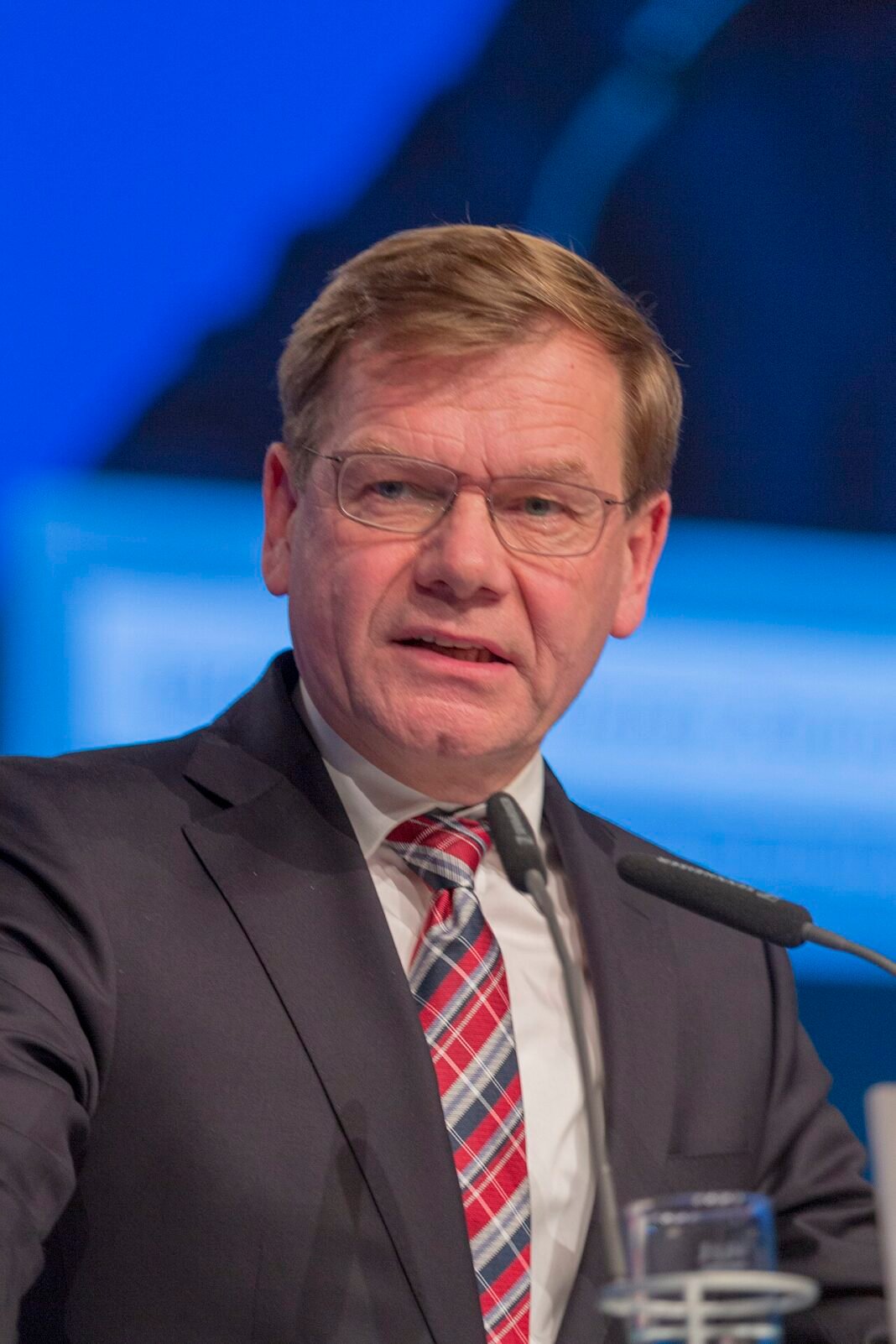
Per the government announcement, On 22 August 2026, Foreign Minister Johann Wadephul arrived in Kyiv to mark Ukraine’s 35th anniversary of independence. The statement issued upon his arrival highlights a critical observation: the holiday weeks of July and August represent the deadliest period for civilians in Ukraine over the past four years, with Russia deliberately targeting energy infrastructure. This underscores the ongoing struggle for peace and prepares Germany to provide targeted support during the upcoming winter.

Background
The statement does not mention specific prior meetings or agreements. However, it establishes Germany as Ukraine’s “most important partner in Europe,” a designation reflecting the sustained nature of German assistance since 2014. The press release indicates a shift in emphasis – moving beyond general support to a focus on preparing for the challenges posed by Russia’s deliberate attacks on Ukrainian energy resources and the broader consequences for the civilian population.
Analysis
The core of Germany’s approach, as articulated by Wadephul, is predicated on recognizing the resilience of the Ukrainian people. Despite the “terrible circumstances” and daily images of destruction, Ukrainians remain focused on a future free from war and fear, actively pursuing education and reconstruction efforts even amidst ongoing conflict. The statement suggests that Russia’s actions – indiscriminate attacks and deliberate targeting of energy infrastructure – are not simply military strategies but also attempts to break Ukrainian endurance.
The release identifies a growing awareness within Russia regarding Ukraine’s greater staying power and the potential economic ruin resulting from continued warfare. This perception, coupled with “increasingly confused propaganda” and “increasingly totalitarian repression,” is presented as evidence of the Russian regime’s weakness. The goal, according to Wadephul, is to compel Putin to accept a peaceful resolution.
Implications
The visit’s implications extend beyond immediate humanitarian aid. Germany’s commitment to developing drone systems alongside Ukraine represents a deepening of the “new strategic partnership” at technical and economic levels, signaling a move towards more targeted support aligned with Ukraine’s evolving needs. This also suggests an acknowledgement that conventional military assistance alone is insufficient against Russia’s tactics.
Should the visit yield increased engagement in areas like reconstruction and defense technology, it would bolster Ukraine’s capacity to withstand continued aggression. Furthermore, Germany’s focus on supporting Ukraine strengthens its position within the European Union, potentially influencing broader policy debates regarding sanctions and military aid. The statement does not address the potential impact of this intensified support on Russia’s economy or geopolitical influence.
Outlook
If the visit results in a renewed commitment to technical cooperation – particularly concerning drone systems – Germany could contribute significantly to Ukraine’s defensive capabilities. Should Wadephul successfully persuade Putin to accept a peaceful resolution, it would represent a critical step toward ending the conflict and mitigating further civilian casualties. The statement does not address potential scenarios involving escalation or continued Russian aggression.
Conclusion
Wadephul’s visit underscores Germany’s ongoing commitment to Ukraine, but the persistent nature of Russia’s attacks on energy infrastructure raises fundamental questions about the long-term sustainability of peace and the enduring need for robust support – a challenge that remains unresolved.