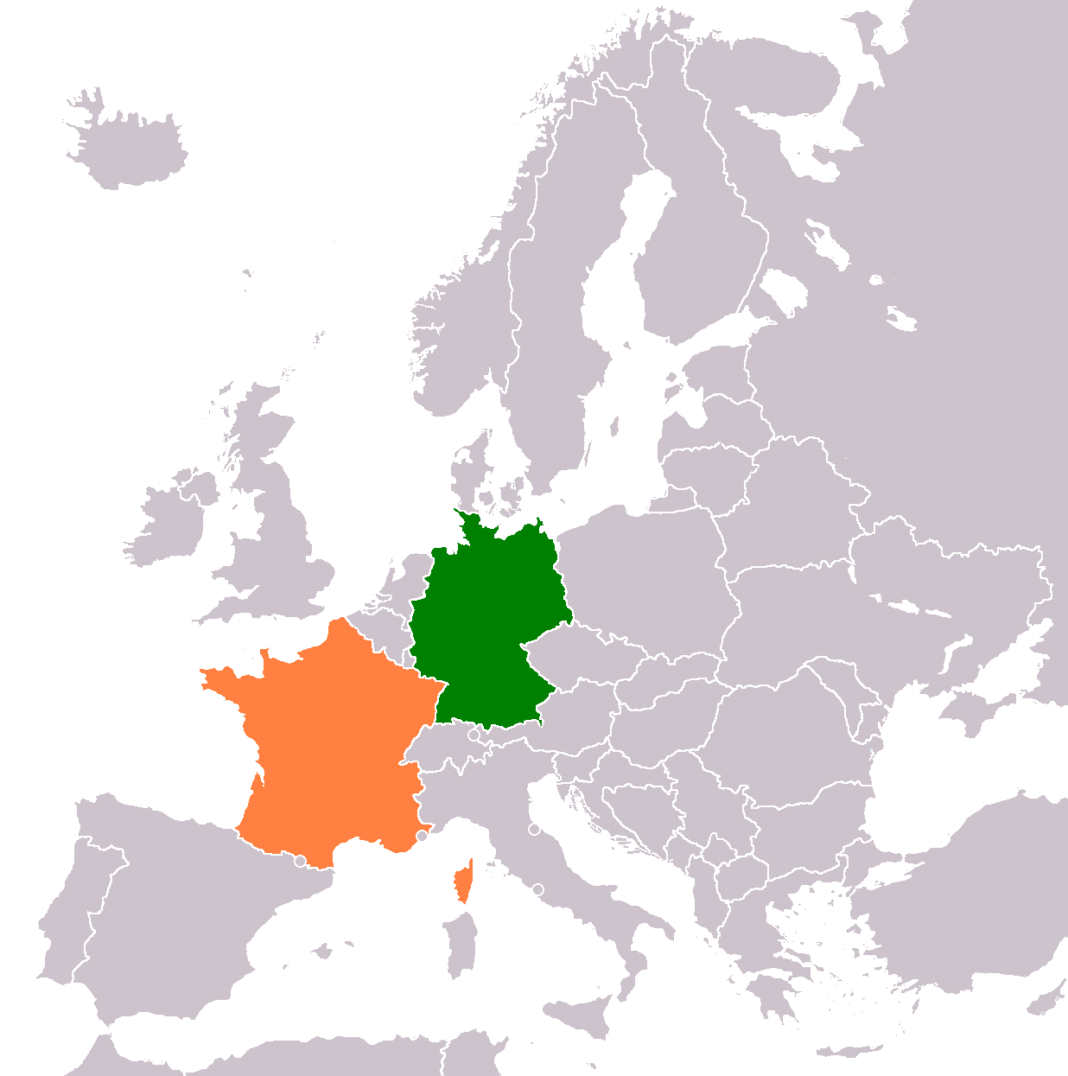
A ministry communiqué confirms that The crisis in Sudan, characterized by a deteriorating food security situation and the imminent risk of famine, prompted a coordinated meeting between German Foreign Minister Johann Wadephul and a US Envoy. This action, announced in a press release from the Auswärtiges Amt, underscores the international community’s urgency to address the situation and avert widespread suffering. The statement highlights the projected 19.5 million people experiencing high levels of acute food insecurity, a figure that demands immediate, decisive action. This situation, compounded by conflict, systematic obstruction of aid, and the effects of El Niño, represents a critical test for international cooperation in a humanitarian context.

Background
The statement does not mention prior meetings. It refers to the Integrated Food Security Phase Classification, a tool used to assess the severity of food insecurity, and the initial assessment of 14 food insecure areas expected to double. The press release does not detail specific agreements reached during the meeting, but it emphasizes the shared recognition of the conflict’s role as the key driver of Sudan’s hunger crisis. The release does not provide details of the Envoy’s role or previous engagements with the German government.
Analysis
The coordinated response signals a determination by multiple nations – including Austria, Belgium, and Romania – to exert pressure on the parties to the conflict. The emphasis on authorising humanitarian operations through all crossline and cross-border routes, and sustaining the presence of humanitarian personnel, reflects a recognition of the barriers to aid delivery. The statement’s call for the parties to refrain from strikes on civilian infrastructure highlights the deliberate nature of the obstruction, framing it as a deliberate impediment to a humanitarian response. The situation is exacerbated by the effects of El Niño, which has resulted in reduced rainfall and increased drought across over half of Sudan.
Implications
The involvement of multiple nations suggests a potential for increased diplomatic leverage. The request for sustained humanitarian access carries significant implications for the operational capacity of international organizations and the ability to deliver life-saving assistance within Sudan. Should the visit yield a commitment to expanded cross-border access, it could bolster the effectiveness of the humanitarian response. The situation is being exacerbated by systematic obstruction of aid and the effects of El Niño, which has resulted in reduced rainfall and increased drought across over half of Sudan. The crisis highlights the vulnerability of nations reliant on agricultural production and the potential for conflict to disrupt supply chains.
Outlook
If the visit yields a commitment to authorising humanitarian operations through all crossline and cross-border routes, it could significantly improve the delivery of aid. Should the parties to the conflict continue to impede humanitarian access, the number of children suffering from severe acute malnutrition could exceed the projected 825,000. The statement does not address the potential for a protracted conflict or the long-term impact on Sudan’s development.