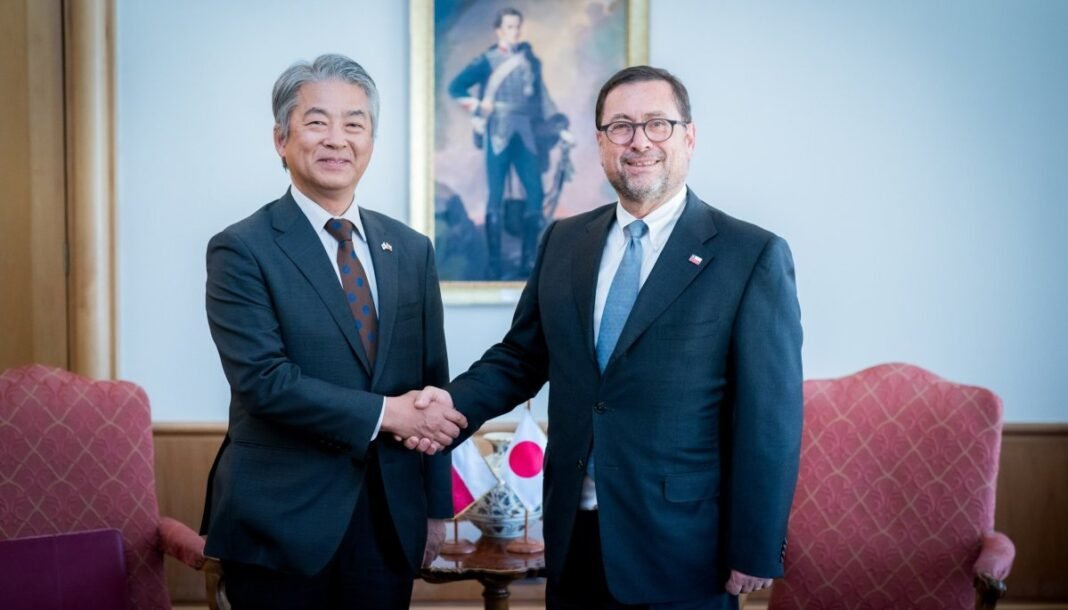
The official readout frames the trip as Bogotá, D. C., 13 de octubre de 2026. The President of the Republic has decided to designate several officials from Colombia’s Diplomatic and Consular Career to serve as ambassadors and heads of mission abroad. This decision, as stated by the government, constitutes a recognition of the trajectory, specialized training, international experience, and commitment of career diplomats to national interests. The statement does not address the current state of Colombia’s foreign service, nor does it mention any specific funding or resource allocation.

Background
The government’s action aligns with commitments made during the presidential campaign and a stated purpose: to strengthen merit, experience, and the professionalization of the public service. This initiative focuses on bolstering the capabilities of the country’s foreign service. The release does not provide details regarding the number of diplomats involved, the specific countries they will be assigned to, or the timeline for these appointments. It simply affirms the government’s intention to utilize the talent and abilities of those dedicated to diplomacy and representing Colombia internationally.
Analysis
The government’s decision reflects a recognition that a robust diplomacy requires knowledge, institutional continuity, a vocation for service, and the capacity to respond to the challenges of an increasingly complex international environment. The incorporation of career diplomats into leadership positions represents a bet to leverage accumulated experience in the foreign service and strengthen the institutional capabilities of Colombia’s foreign policy. This suggests a desire to move beyond reliance on short-term, politically-motivated appointments, toward a more stable and professional approach to representing Colombia’s interests.
Implications
The appointment of career diplomats has implications for regional stability, particularly concerning Colombia’s relationships with neighboring countries. Should the visit yield increased engagement with regional trade partners, it could bolster Colombia’s economic influence. Furthermore, this initiative could strengthen Colombia’s role in multilateral organizations, particularly if the appointees are skilled in navigating complex international negotiations. The statement does not address the potential impact on Colombia’s trade agreements or its security posture.
Outlook
If the visit yields increased engagement with regional trade partners, it could bolster Colombia’s economic influence. Should the appointments be successful in fostering stronger bilateral and multilateral relationships, it would represent a positive step toward Colombia’s foreign policy objectives. The government’s strategy, if implemented as described, seeks to enhance the capabilities of the foreign service and strengthen Colombia’s representation in the international arena. The statement does not address the potential risks associated with this strategy, such as political instability or economic downturns.
Conclusion
The government’s focus on merit and professionalization within the foreign service presents a significant, though currently undefined, shift in Colombian foreign policy. The ultimate success of this initiative hinges on the ability of these appointed diplomats to effectively advance Colombia’s political, economic, and cultural interests on the global stage – a goal that remains, for now, largely open to interpretation.