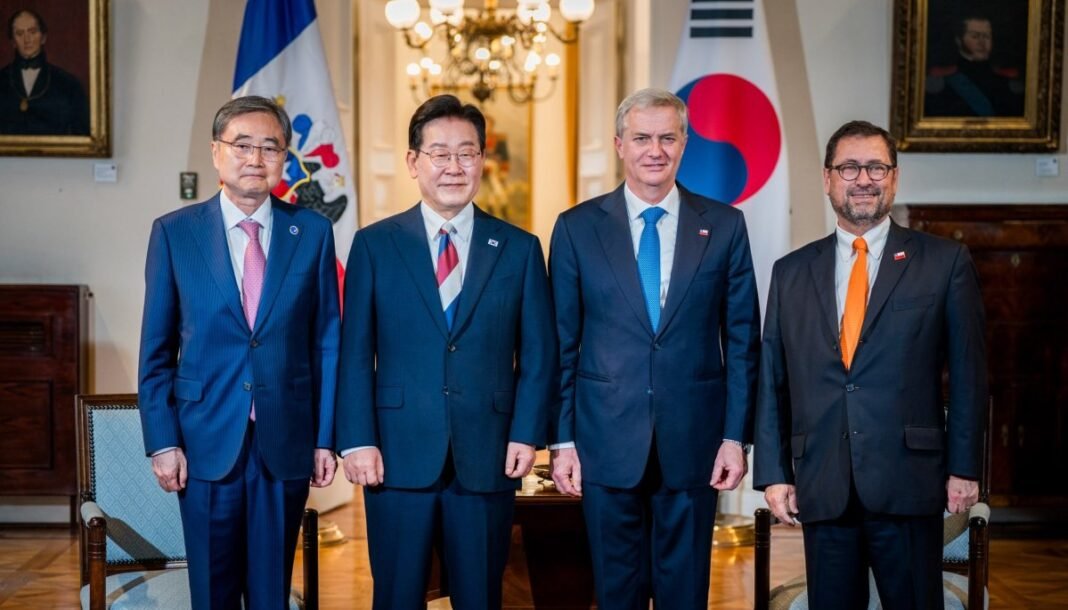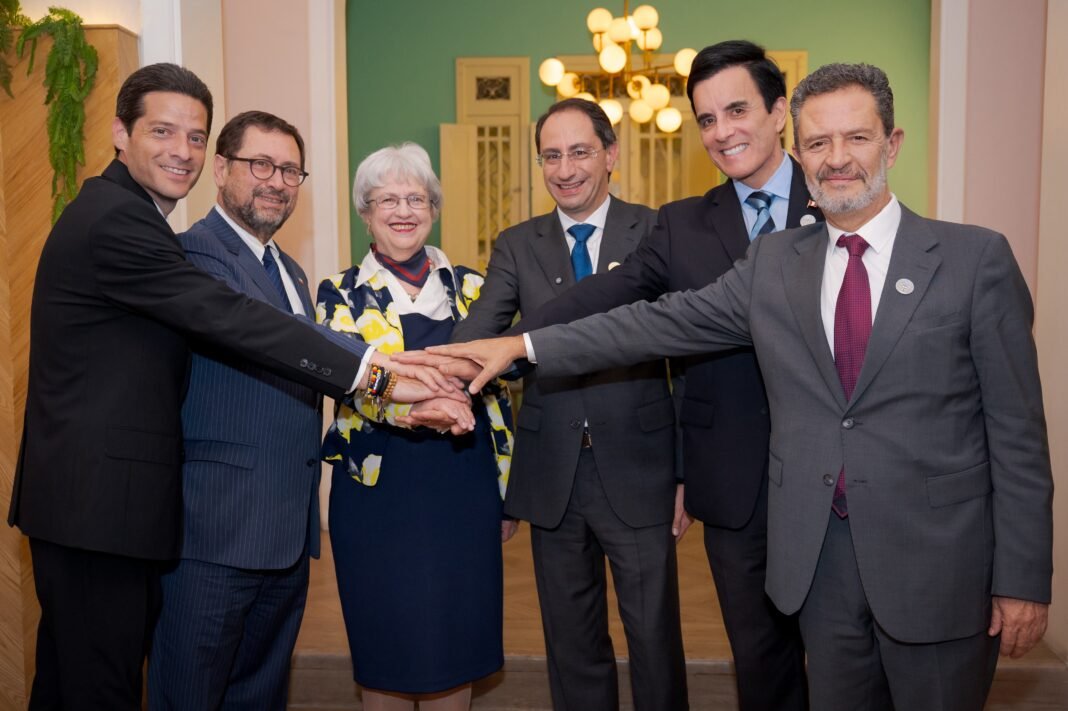
Per the government announcement, Cali, 8 de agosto de 2026. The Minister of Foreign Affairs, Omar Bula Escobar, in company with the Vice President of the Republic, José Manuel Restrepo, held high-level bilateral meetings with representatives from various countries and international organizations, as part of the diplomatic agenda accompanying the start of the new Government. During the encounters with delegations from El Salvador, Portugal, Korea, Japan, Mexico, Germany, Curaçao, Uruguay, Israel, the United States, Brazil and Spain, as well as the Secretary General of the Ibero-American Secretariat; strategic topics were addressed to strengthen bilateral relations, including cooperation in security, artificial intelligence, technological sovereignty, trade, education and culture. “Inicia un nuevo gobierno, un gobierno que ya comenzó a trabajar realmente. Y lo seguiremos haciendo así durante cuatro años. Todos los países están en la expectativa de comenzar de nuevo ciertas relaciones que fueron afectadas en los últimos tiempos, y sé que tienen en mente que este nuevo gobierno es una renovación total, tanto de la gobernanza a nivel nacional como en el ámbito de las relaciones internacionales,” expressed Foreign Minister Omar Bula Escobar. These meetings reflect Colombia’s commitment to a foreign policy oriented towards dialogue, cooperation and the strengthening of strategic alliances, with the purpose of expanding development opportunities, promoting regional integration and consolidating an international agenda that contributes to the well-being of citizens.

Background
The statement does not mention specific prior agreements or timelines regarding these relationships. However, it indicates a response to what the minister describes as “certain relations that were affected in recent times,” implicitly referencing the shifts in diplomatic engagement during the preceding administration. The inclusion of organizations like the Ibero-American Secretariat suggests an effort to leverage existing regional frameworks for collaboration. The statement does not address any specific initiatives undertaken prior to August 8th, 2026, focusing solely on the initiation of this new diplomatic approach.
Analysis
The government’s stated goal – “ampliar las oportunidades de desarrollo” – is inherently linked to economic engagement. The emphasis on cooperation in sectors like trade and technology suggests a recognition of these as critical drivers of development, but the statement does not explicitly address Colombia’s broader trade policy or its ambitions within regional trade agreements. The focus on security and technological sovereignty – specifically artificial intelligence and technological sovereignty – indicates a strategic response to global trends and potentially concerns about cybersecurity or access to advanced technologies. The inclusion of countries like Israel reflects an interest in strengthening ties with nations possessing significant technological capabilities. If implemented as described, this approach could bolster Colombia’s standing within international forums, particularly those concerning emerging technologies. However, the statement offers no insight into potential tensions arising from diverging geopolitical interests among these partner nations.
Implications
For policymakers, the shift suggests a prioritization of proactive diplomacy over reactive responses. Should the visit yield tangible results in securing cooperation agreements, it could bolster Colombia’s regional influence and provide access to valuable expertise. The stated commitment to strengthening alliances carries implications for Colombia’s role within international security frameworks, particularly if discussions regarding security cooperation progress. The inclusion of countries like Germany suggests an effort to diversify trade relationships beyond traditional partners. However, the statement does not address potential ramifications for Colombia’s existing trade agreements or its engagement with major economic blocs.
Outlook
If the government successfully secures collaborations on artificial intelligence and technological sovereignty, it could position Colombia as a key player in shaping global standards within these fields. Should the visits result in increased investment from countries like Brazil and the United States, this would contribute to broader economic growth. However, should the new administration fail to translate these diplomatic engagements into concrete agreements—specifically regarding trade or regional integration—it risks perpetuating the perception of disjointed relationships and a lack of strategic coherence.