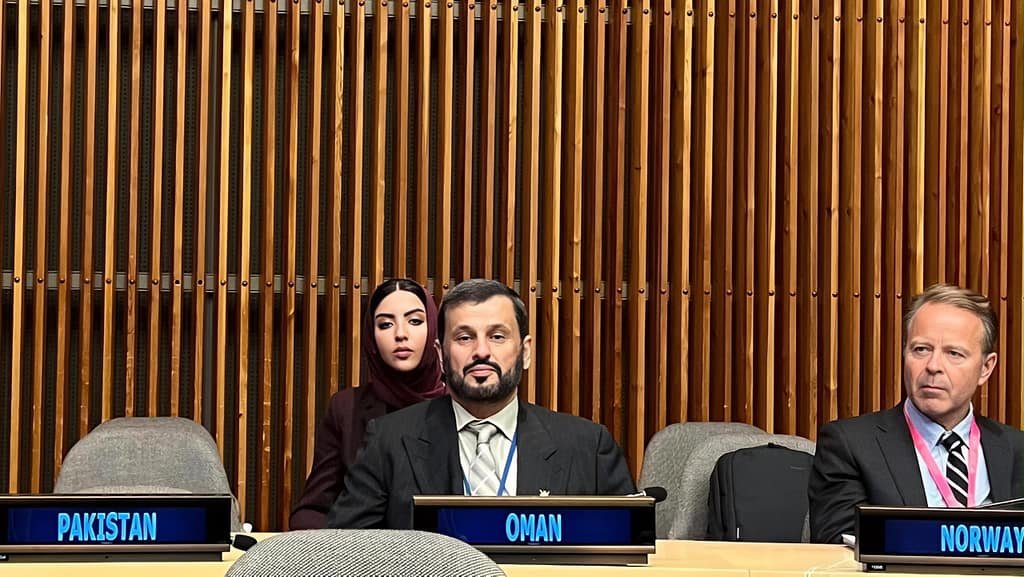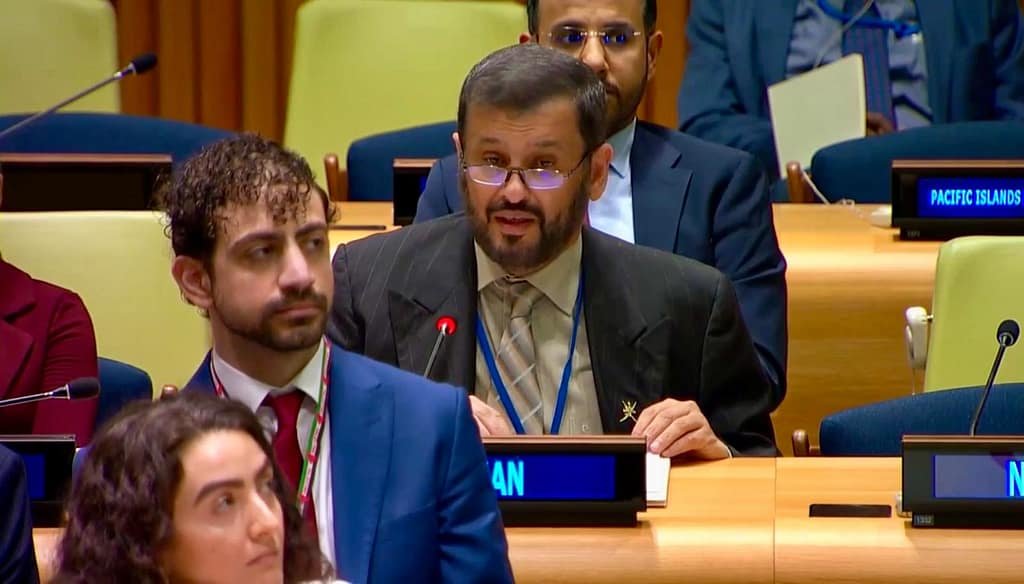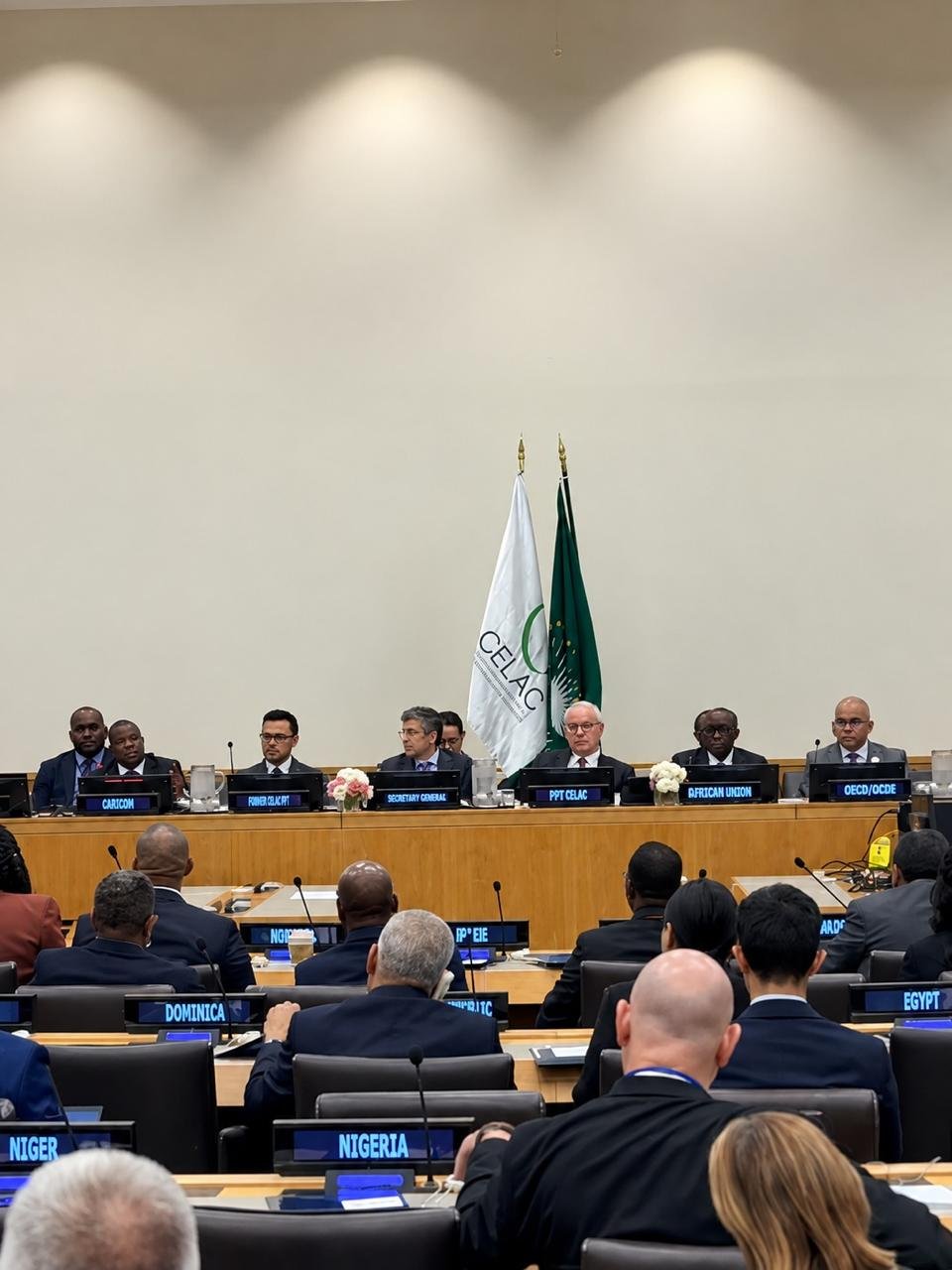
Reporting in a government statement, Nueva York, 23 de septiembre de 2026. Colombia participated in the CELAC-African and CELAC-India meetings, held within the framework of the High-Level Week of the 81st Ordinary Session of the United Nations General Assembly in New York. The Colombian delegation was headed by Miguel Clavijo, Alternate National Coordinator of Colombia before the Community of Latin American and Caribbean States (CELAC), who represented the country at both meetings and supported initiatives aimed at strengthening cooperation, trade and the institutionalization of links between the regions. The statement does not mention the specific date of the meetings, only the date of the press release.

Background
The CELAC (Comunidad de Estados Latinoamericanos y Caribeños) is a regional intergovernmental organization established in 2010. The Unión Africana (UA) is the African Union. The CELAC-India mechanism was created ten years prior to these meetings, in 2016. The 81st period of sessions of the United Nations General Assembly took place in New York. The Republic of Uruguay held the Pro Tempore Presidency of the CELAC during the African Union meeting, while Burundi held the Presidency of the Union African during the CELAC-India meeting. The statement does not mention the number of attendees.
Analysis
Colombia’s backing of these initiatives suggests a deliberate effort to diversify its trade partnerships beyond traditional markets. The statement does not address the underlying motivations for this shift. The agreement to advance a first bi-regional roadmap between the CELAC and the African Union indicates a recognition of shared geopolitical interests, particularly in areas of trade and investment. The growth of bi-regional trade, nearly 145% over the last decade, according to CAF-Banco de Desarrollo de América Latina y el Caribe, highlights the potential benefits of this expanded engagement. The Colombian government’s prioritization of science, technology and innovation, digital transformation, food security, pharmaceutical industry and energy security aligns with the broader agenda of the CELAC and India. The fact that Colombia is part of the expanded CELAC Troika suggests a commitment to multilateral cooperation within the framework of these organizations. If implemented as described, this could represent a significant shift in Bogotá’s foreign policy focus.
Implications
For policymakers, the Colombian government’s actions signal a strategic recalibration of its foreign policy priorities. The expanded engagement with the African Union and India has implications for regional stability, particularly in the Southern Cone and the Indian subcontinent. The increased trade flows could stimulate economic growth in both regions. The support for the CELAC-India mechanism could strengthen diplomatic ties and facilitate dialogue on critical issues. The statement does not address the potential impact on existing trade agreements with other nations.
Outlook
Should the visit yield further agreements on trade and investment, Colombia could become a key facilitator of economic cooperation between Latin America, Africa and India. If the first bi-regional roadmap is successfully implemented, it could pave the way for increased investment flows and technological transfers. Should the CELAC-India mechanism prove effective in fostering regular dialogue, it could contribute to a more predictable and stable geopolitical environment. The statement does not address the potential challenges or risks associated with these expanded partnerships.