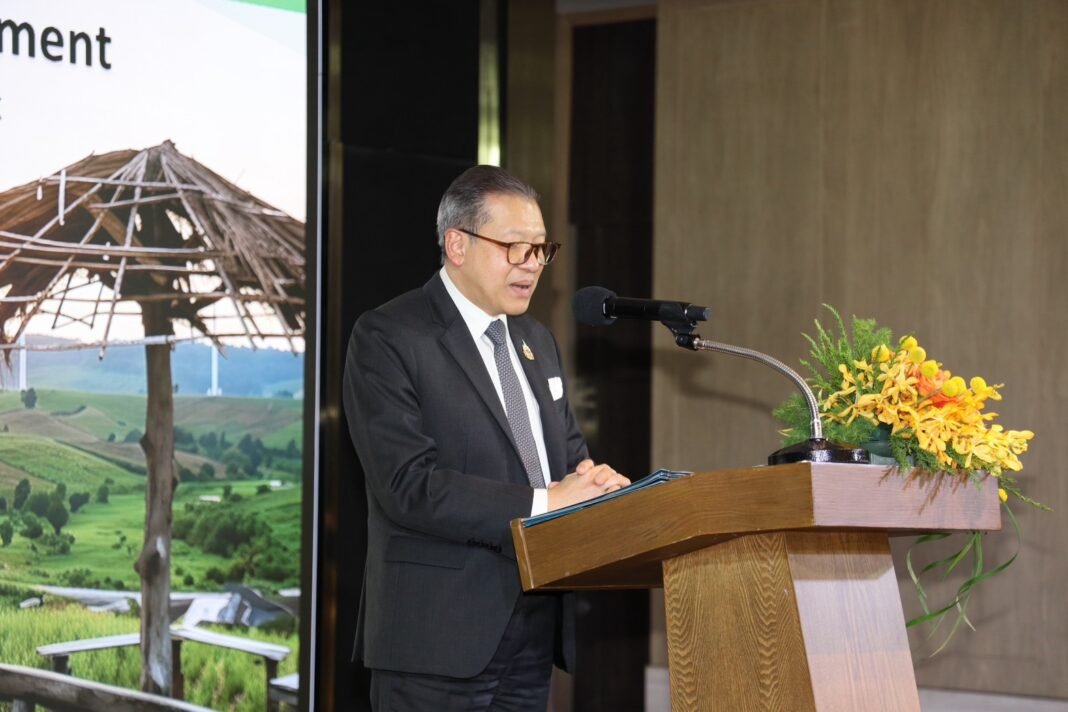
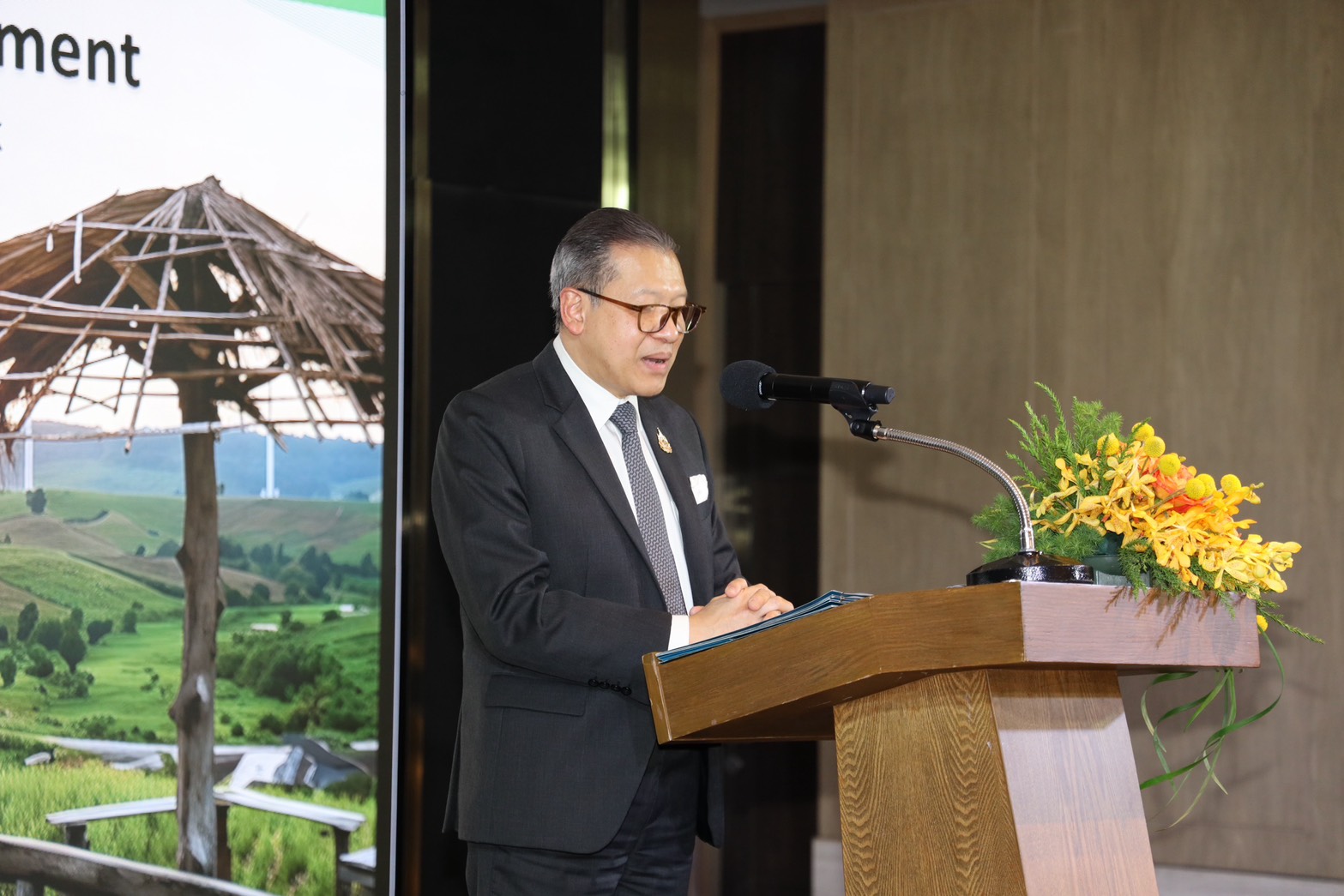
In a published statement ahead of the visit, On 15 October 2026, H.E. Mr. Sarun Charoensuwan, Vice Minister for Foreign Affairs, presided over the opening of the High-Level Discussion on the Forthcoming OECD International Development Co-operation Outlook. This event, hosted during the Asia-DAC Dialogue on Development at Montien Hotel Surawong, Bangkok, underscored Thailand’s stated readiness to play an active and constructive leadership role in international development co-operation. The statement does not mention the specific focus of the Outlook, but it highlights Thailand’s commitment to promoting South-South and Triangular Co-operation to achieve sustainable development. This follows a series of diplomatic engagements by Thai officials focused on bolstering international partnerships.
Background
The Asia-DAC Dialogue on Development was held from 15 to 16 October 2026 in Bangkok. This marked the inaugural exchange between members of the OECD Development Assistance Committee (OECD DAC) and emerging development providers in Asia. The event was co-hosted by the Thailand International Cooperation Agency (TICA), the OECD Development Co-operation Directorate (OECD DCD), the Korea International Cooperation Agency (KOICA), and the Asian Development Bank Institute (ADBI). The Dialogue brought together over 180 participants, including representatives from OECD DAC member states, international organizations, and relevant Thai public and private sector agencies. Prior to this, on 19 September 2026, Vice Minister for Foreign Affairs Mr. Sarun Charoensuwan visited Canada, a move that suggests a continued prioritization of bilateral engagement. Furthermore, in September 2026, the ministry held a discussion with the Minister of International Development of the Ministry of Foreign Affairs of Norway, demonstrating a proactive approach to multilateral cooperation. The statement does not address the specific composition of the OECD DAC or the objectives of the Outlook itself.
Analysis
The focus on the OECD International Development Co-operation Outlook indicates a strategic effort by Thailand to align its development policies with established international standards. The event’s co-hosting by multiple agencies – TICA, OECD DCD, KOICA, and ADBI – reflects a deliberate effort to broaden Thailand’s development partnerships and leverage diverse expertise. The emphasis on South-South and Triangular Co-operation suggests a desire to share Thailand’s experience and expertise with developing nations, while also fostering collaborative projects with other developing countries. The inclusion of KOICA and ADBI points to a recognition of the importance of technical assistance and financial support in achieving sustainable development goals. The statement does not directly address Thailand’s priorities within the OECD framework, nor does it detail any specific commitments resulting from the discussion. If implemented as described, this approach could strengthen Thailand’s influence within the OECD DAC.
Implications
The High-Level Discussion carries implications for Thailand’s broader foreign policy. The commitment to active leadership in international development co-operation could influence Thailand’s engagement in regional initiatives, particularly within ASEAN. The dialogue’s focus on South-South and Triangular Co-operation may shape Thailand’s approach to providing assistance to countries in Southeast Asia and beyond. Should the visit yield further discussions on specific projects, it could impact Thailand’s contributions to global efforts related to poverty reduction, climate change adaptation, and sustainable infrastructure development. The event’s outcome is unlikely to immediately translate into increased funding or concrete commitments, but it establishes a platform for future collaboration.
Outlook
If the discussion proves productive in outlining key priorities for the OECD Outlook, Thailand could leverage this engagement to shape future development agendas. Should the OECD DAC and Thailand agree on a shared focus on, for example, renewable energy or digital infrastructure, this could facilitate targeted investment and technical assistance. Should the dialogue result in increased collaboration with KOICA and ADBI, Thailand could benefit from access to specialized expertise and financial resources. However, the success of this initiative hinges on the willingness of OECD member states to commit to tangible outcomes, and the statement does not address the potential for resource mobilization.
Sources & Further Reading
- Official press release
- Foreign ministry source
- Vice Minister for Foreign Affairs presides over the 2026 Fulbright Dialogue (5 Sep 2026)
- Deputy Prime Minister and Minister of Foreign Affairs meets with Minister of International Development of the Ministry of Foreign Affairs of Norway (19 Oct 202)
- Vice Minister for Foreign Affairs of Thailand visits Canada (19 Sep 202)