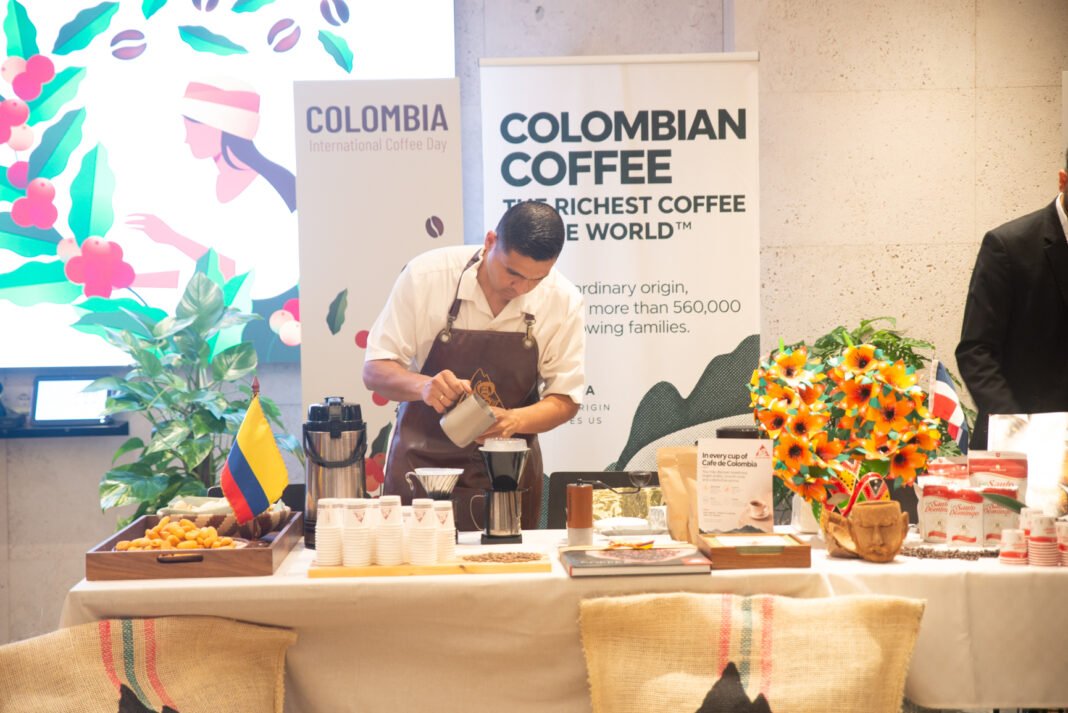
Colombia’s prominence on the global stage was underscored on October 1, 2026, as the nation participated in the first official celebration of the Day International del Café, proclaimed by the United Nations General Assembly. The statement does not address the specific volume of trade or investment generated by the event, but the initiative highlights Colombia’s strategic approach to leveraging its coffee industry for economic growth and international collaboration. This event represents a deliberate effort to demonstrate Colombia’s commitment to its coffee producers and to foster new commercial partnerships.; see the full statement.

Background
The declaration of October 1st as the Day International del Café stems from Resolution A/RES/80/248, adopted by the United Nations General Assembly on March 10, 2026. This resolution recognizes the cultural, social, and economic significance of coffee, alongside its contribution to sustainable development and the well-being of its value chain actors. The event is taking place at the headquarters of the Food and Agriculture Organization (FAO) in Rome, Italy, a location chosen to maximize international visibility for Colombia’s coffee industry. The Federación Nacional de Cafeteros de Colombia has been instrumental in organizing and executing the Colombian delegation, providing expertise and resources for the promotional activities.
Analysis
Colombia’s strategy centers on a targeted diplomatic campaign, utilizing the Day International del Café as a platform to attract foreign investment and bolster trade. The presence of barista champion Diego Campos, conducting live demonstrations and tastings, is designed to showcase the quality and innovation within Colombia’s coffee sector. This approach reflects a recognition that the value of Colombian coffee extends beyond simply a commodity; it represents generations of tradition, family labor, and a commitment to sustainable practices. The statement does not address the competitive landscape of the global coffee market, but it clearly indicates a desire to solidify Colombia’s position as a leading producer and exporter. The event’s success hinges on effectively communicating this value proposition to international buyers and investors.
Implications
The participation in the Day International del Café carries significant implications for Colombia’s economic and geopolitical standing. It reinforces Colombia’s image as a reliable and high-quality coffee supplier, potentially attracting increased investment in Colombian coffee farms and processing facilities. Furthermore, the diplomatic efforts, coordinated through the Cancillería colombiana’s network of embassies and consulates, aim to strengthen bilateral relations with key trading partners. Should the visit yield positive outcomes, it could contribute to greater stability in Colombia’s coffee-dependent regions, supporting the livelihoods of thousands of families. The event also underscores Colombia’s broader commitment to sustainable development and responsible agricultural practices – values increasingly valued by international markets.
Outlook
If the promotion of Colombian coffee through this event proves successful, Colombia could experience a sustained increase in export volumes and foreign investment. Should the FAO’s special programming generate further international attention for Colombian coffee, it would enhance brand recognition and consumer demand. The statement does not address potential risks, such as fluctuations in global coffee prices or shifts in consumer preferences, but Colombia’s proactive approach suggests a preparedness to adapt to evolving market dynamics. The continued support of the Federación Nacional de Cafeteros and the Cancillería will be crucial in maintaining this momentum.
Conclusion
The Day International del Café represents a calculated step for Colombia, aiming to translate diplomatic engagement into tangible economic benefits. The ultimate measure of success will be whether the initiative can sustainably elevate Colombia’s coffee industry and secure a prominent role in the global market – a question that remains open, dependent on continued investment and strategic partnerships.