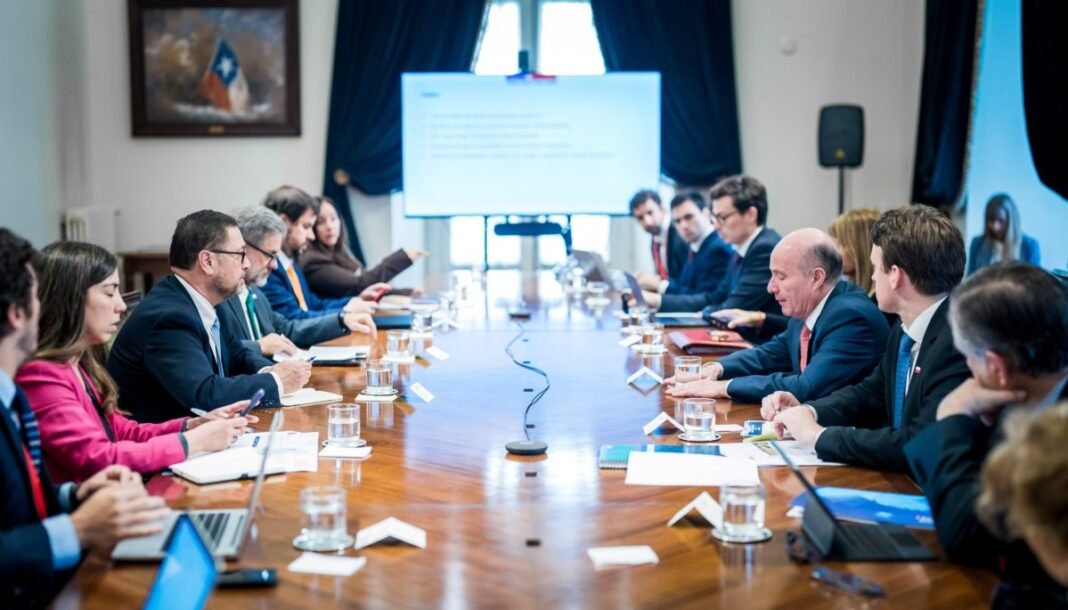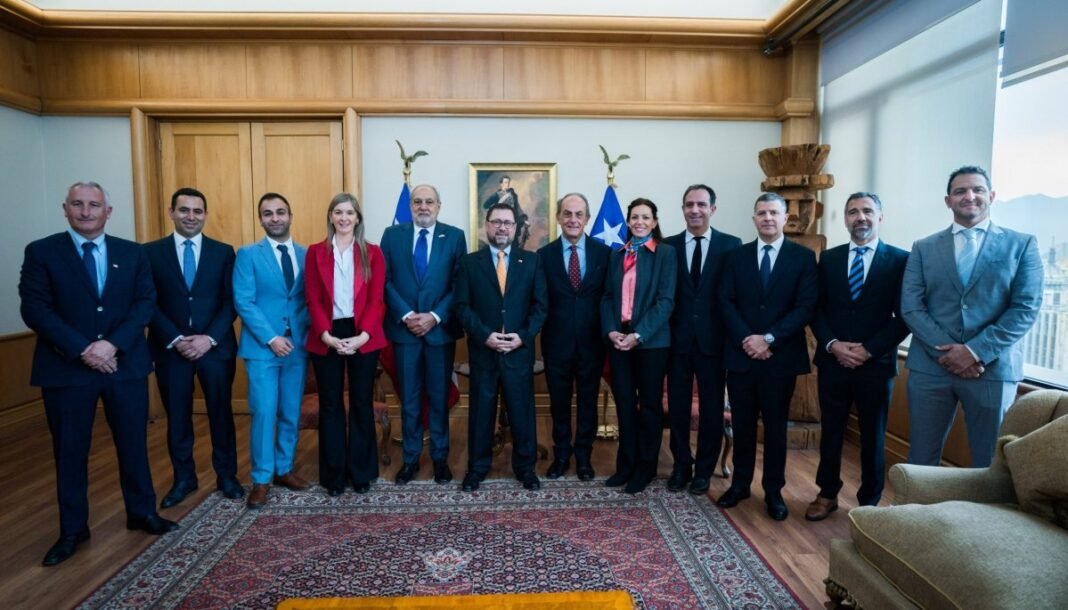
The Chilean Minister of Foreign Relatons, Francisco Pérez Mackenna, met with a Chilean-Arab business delegation scheduled to travel to the United Arab Emirates between October 5th and 9th. This meeting, as detailed in a recent press release, aims to attract investment and explore business opportunities within the Gulf nation. The significance of this visit lies in Chile’s strategic efforts to broaden its economic partnerships beyond traditional markets, a move particularly relevant given ongoing geopolitical shifts. — the full statement has further detail.
Background
The Ministry of Foreign Relations’ recent engagement with this delegation aligns with a broader strategy outlined in a statement from Jueves 1 de octubre de 2026. That statement, “Ministro Pérez Mackenna envía delegación de Cancillería a Magallanes,” detailed a previous visit to Punta Arenas and Cabo Espíritu Santo, involving meetings with local authorities to strengthen ties between institutions and acknowledge the work of the Comisión Chilena de Límites. This earlier action demonstrates a consistent focus on bolstering bilateral relations through direct engagement and support for Chilean interests in southern Chile. The current delegation represents a continuation of this approach, albeit with a shifted geographic focus towards the Middle East.
Analysis
The stated objective – attracting investment and exploring business opportunities – reveals Chile’s strategic positioning within a landscape increasingly shaped by global economic dynamics. The focus on the United Arab Emirates is not arbitrary; it reflects a deliberate effort to diversify investment sources and tap into the region’s burgeoning financial sector. The delegation’s planned meetings with the Palestinian Business Council and local entrepreneurs suggest a targeted approach, prioritizing sectors with demonstrable growth potential. This approach, however, raises questions regarding the specific sectors of interest – the statement does not address mineral extraction, a historically significant component of Chile’s economy – or the potential for competing investment interests from other nations.
The inclusion of meetings with authorities in Dubai, Abu Dhabi, and Ras Al Khaimah suggests a multi-faceted strategy, aiming to establish a strong presence across key economic hubs within the Emirates. The engagement with economic authorities and financial institutions underscores the government’s intention to facilitate direct investment and foster collaboration between Chilean and Emirati businesses. A key element of this strategy is the potential for leveraging the UAE’s existing trade agreements and infrastructure to expand Chile’s market access.
Implications
This visit carries implications for regional stability, particularly given Chile’s ongoing diplomatic engagement with other nations. The statement does not address the resolution passed in the OEA regarding Nicaragua, nor does it mention the meeting with the Filipino vice-minister, however, these actions signal a continued commitment to multilateral engagement and a willingness to address international concerns. The strengthened ties with the UAE could also influence Chile’s position within the broader BRICS economic bloc, although the statement does not address this potential alignment.
Furthermore, the initiative holds implications for Chile’s trade relations with Arab nations, offering the potential to unlock new markets for Chilean exports and foster technological exchange. Should the visit yield successful investment agreements, it could significantly contribute to Chile’s economic growth and diversification. The statement does not address the potential impact on Chile’s mining sector, a crucial element of its economy, but the focus on investment suggests a broader economic strategy.
Outlook
Should the visit result in the formal establishment of investment partnerships, contingent on the successful negotiation of favorable terms, Chile would likely face the challenge of managing differing regulatory environments and legal frameworks. If the delegation secures agreements for infrastructure development projects, the Ministry would need to navigate potential logistical complexities and ensure alignment with Chile’s sustainable development goals.
Conclusion
The delegation’s trip to the UAE represents a step in Chile’s efforts to broaden its economic horizons. The ultimate success of this initiative, however, hinges on the ability of Chilean businesses to secure viable investment opportunities and establish mutually beneficial partnerships, a question that remains open as the delegation embarks on its mission.