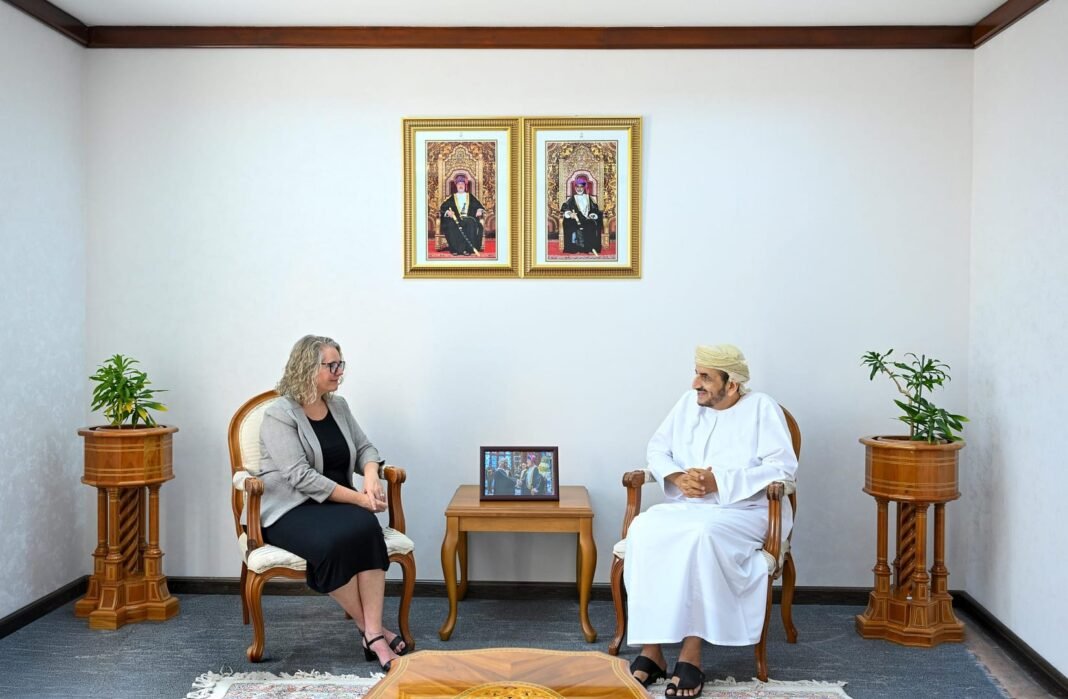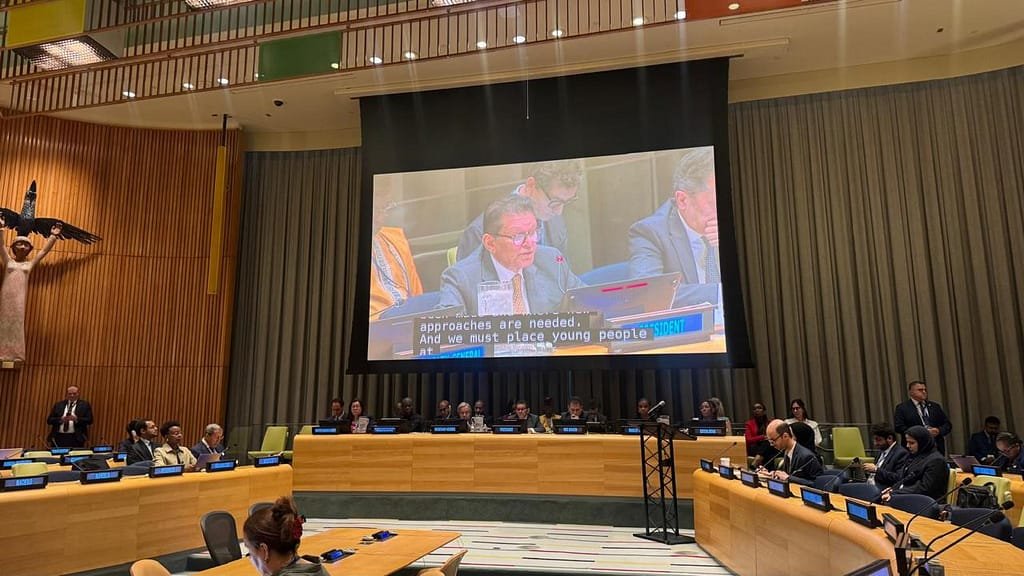
Reporting in a government statement, The Sultanate of Oman reaffirmed its commitment to combating racism, racial discrimination, xenophobia and related intolerance, while safeguarding human dignity and promoting the values of equality and mutual respect. This commitment was made during its participation in a high-level meeting commemorating the 25th anniversary of the adoption of the Durban Declaration and Programme of Action, held at the United Nations headquarters in New York. The statement matters because it represents a continuation of Oman’s engagement with international efforts to address systemic prejudice and promote human rights, as outlined in the official release.
Background
The event, held on 29 September 2026, marked the 25th anniversary of the Durban Declaration and Programme of Action, a landmark UN resolution addressing racism and discrimination. This declaration, adopted in 2001, provides a framework for international cooperation to combat racism and related intolerance. The meeting itself was convened at the joint invitation of the Republic of South Africa and Malaysia, suggesting a broader coalition focused on these issues. The statement does not address the specific contributions of South Africa or Malaysia to the discussion.
Analysis
Oman’s approach, as evidenced by the statement, is characterized by a long-standing strategy of dialogue, understanding, and coexistence. This strategy is reflected in a number of national and international initiatives, including the “Message of Peace,” “Human Fraternity” and the “Muscat Action Plan,” launched at the United Nations headquarters in June this year. The Muscat Action Plan aims to strengthen the role of traditional and indigenous leaders in countering hate speech and incitement, preventing genocide and atrocity crimes, and contributing to mediation and building peace. This suggests a prioritization of localized solutions, informed by community knowledge, as a key component of Oman’s broader diplomatic strategy. If implemented as described, the Muscat Action Plan could represent a significant shift in how the UN approaches conflict resolution.
Implications
Oman’s renewed commitment has implications for regional stability, particularly within the context of ongoing tensions and conflicts where discrimination and intolerance play a significant role. The statement’s focus on strengthening international cooperation links global commitments with action at the local level. The emphasis on youth participation indicates an awareness of the need to address these issues through future generations. The statement does not address the potential impact of this commitment on Oman’s own foreign policy or its relationships with countries known to have challenged international norms regarding human rights.
Outlook
Should the visit yield tangible outcomes, particularly regarding the implementation of the Muscat Action Plan, Oman could become a more prominent actor in regional mediation efforts. If the UN continues to support the Action Plan’s objectives, Oman’s role in countering hate speech and preventing atrocity crimes could become more formalized. However, if the international community fails to provide sufficient resources or political backing, Oman’s efforts may remain largely symbolic. This suggests a contingent future, dependent on broader geopolitical developments.
Conclusion
Oman’s reaffirmation of its commitment to combating racism underscores its continued engagement with international human rights norms. The question remains whether this commitment will translate into concrete action and influence within the complex landscape of global conflict and instability.