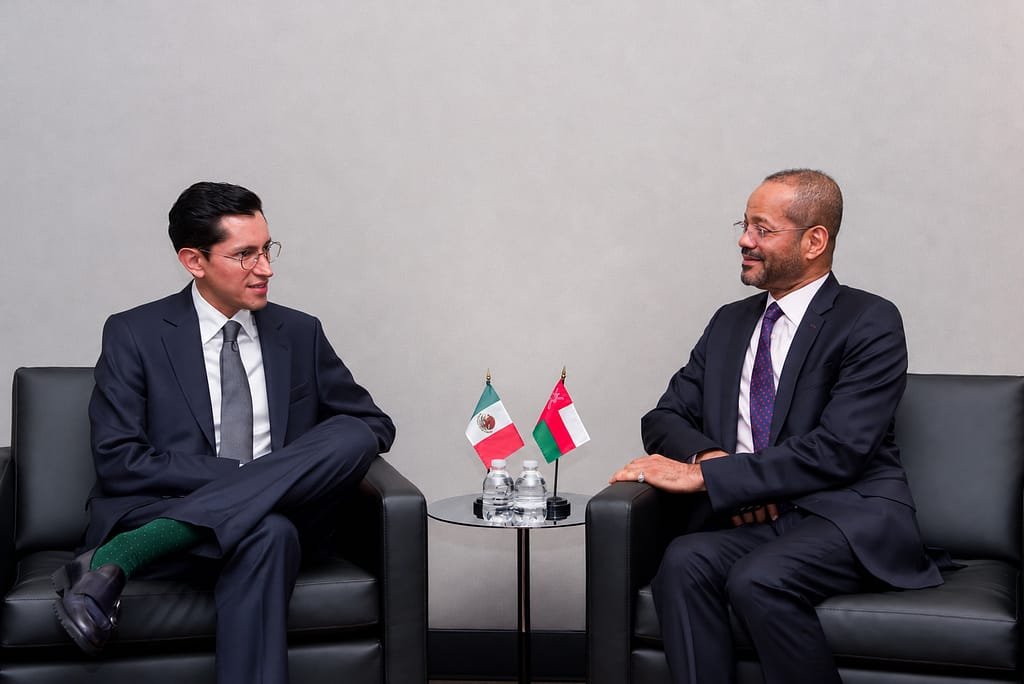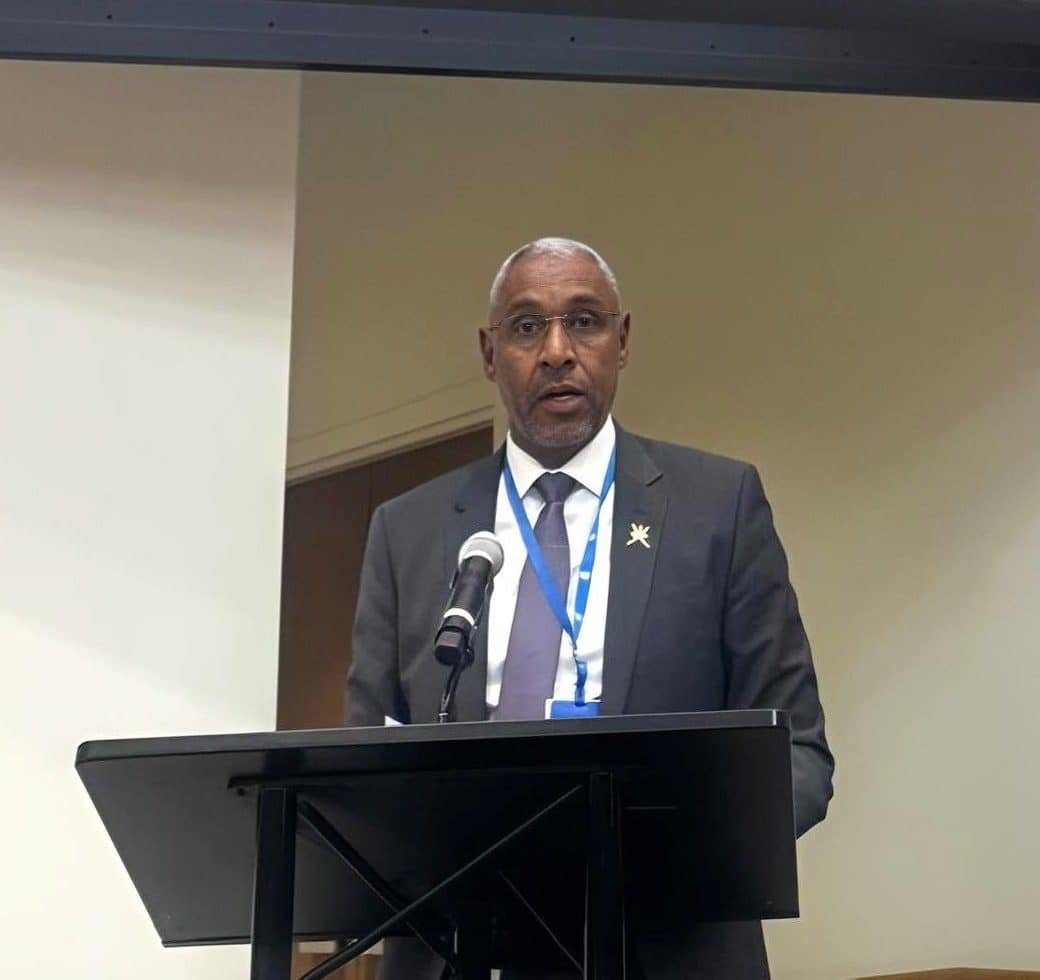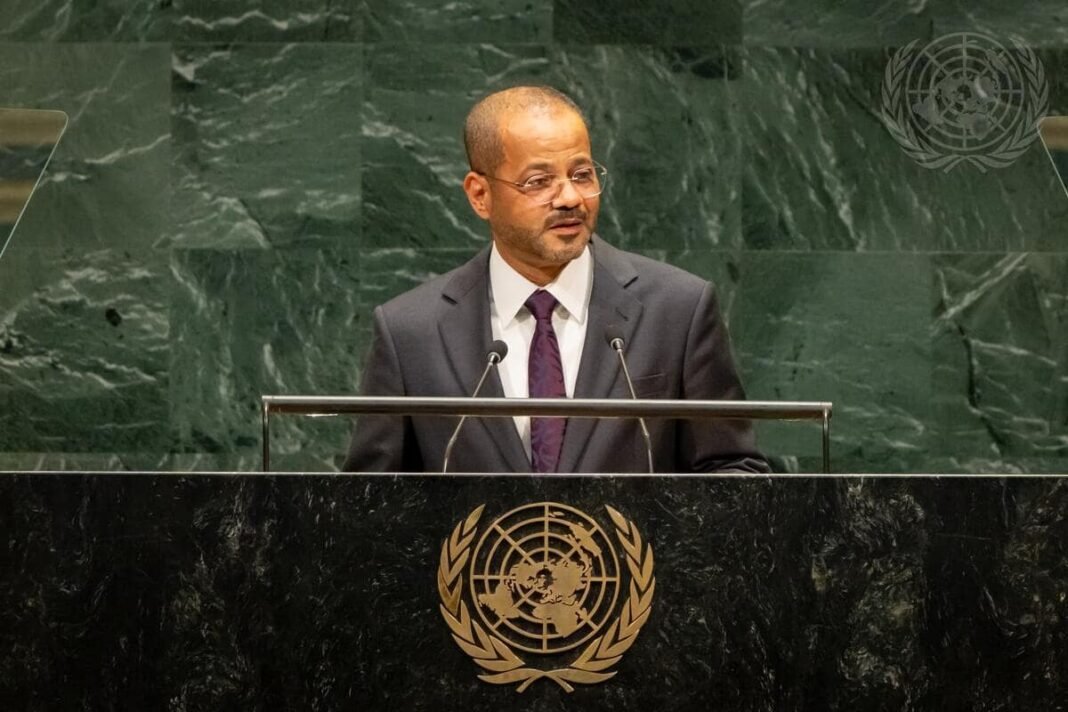
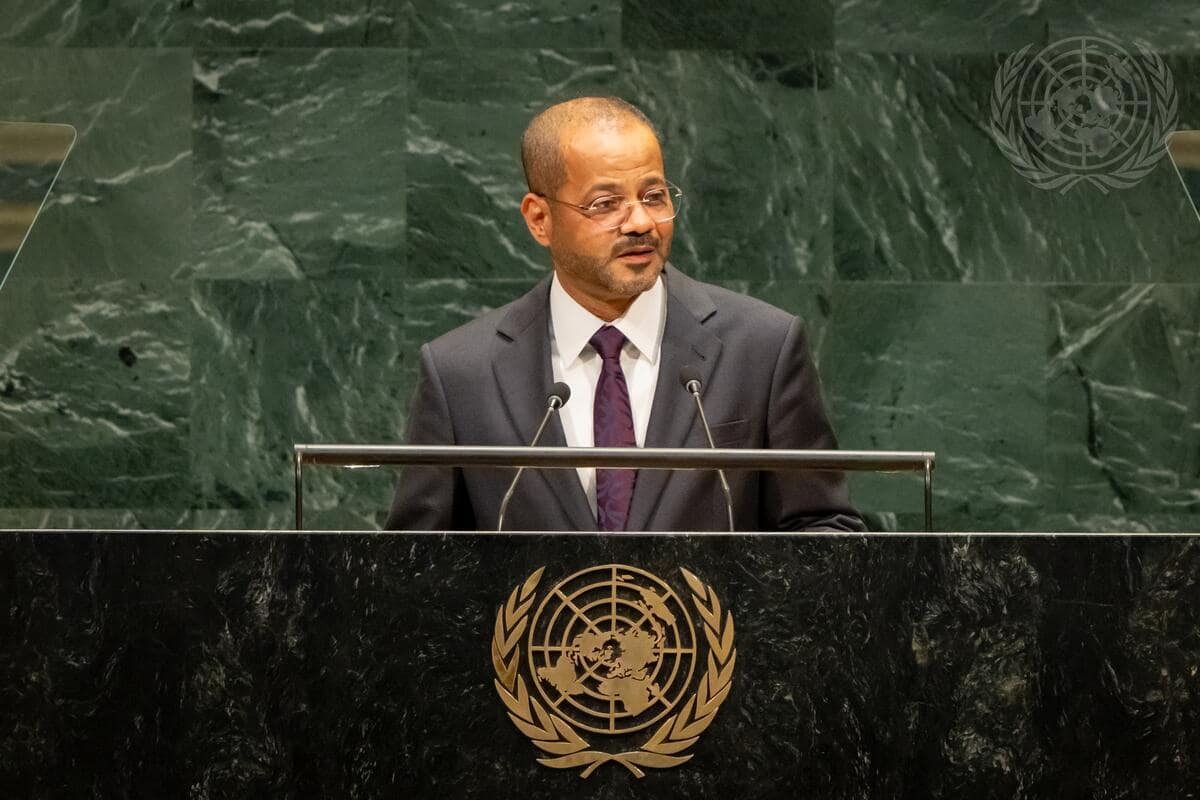
In a published statement ahead of the visit, The statement delivered by Foreign Minister Sayyid Badr Albusaidi to the 81st Session of the United Nations General Assembly, released on 26 September 2026, details Oman’s continued commitment to regional stability and peaceful resolutions. The core message – that dialogue is the “true value capable of reminding us of what unites us” – underscores Oman’s role as a mediator amidst heightened regional conflict. This reiteration matters because the statement explicitly identifies the ongoing war at the beginning of the year as “a war that could have been avoided,” highlighting the potential for further escalation and its impact on global energy security, as outlined in the release.
Background
Oman’s participation in the 81st session of the UN General Assembly represents a recurring element of its diplomatic strategy. The statement’s delivery by Foreign Minister Sayyid Badr Albusaidi follows a meeting with Dr Khalilur Rahman, elected as President of the 81st Session of the United Nations General Assembly, on 26 September 2026. Prior to this, Minister Albusaidi held a meeting with Ed Miliband, the United Kingdom’s Secretary of State for Foreign, Commonwealth and Development Affairs, on 24 September 2026, also on the sidelines of the UNGA. These engagements reflect Oman’s consistent engagement with key international actors. The statement does not mention any changes to these relationships.
Analysis
The statement’s emphasis on dialogue reflects a central tenet of Oman’s foreign policy, aiming to de-escalate tensions and foster cooperation. The direct reference to the “war that could have been avoided” suggests a critical assessment of the regional security landscape, specifically referencing the conflict at the beginning of the year. This suggests a concern about the broader implications of the conflict beyond immediate regional impacts. Oman’s repeated affirmation of its commitment to safeguarding navigation in the Strait of Hormuz is a key element of its regional security posture, particularly given the strategic importance of the waterway. The statement does not address the underlying causes of the conflict or the positions of the parties involved. The continued support for a political solution to the Yemen crisis, as outlined in the release, reflects Oman’s commitment to regional stability and its role as a facilitator. The statement does not mention any recent shifts in Oman’s approach to the conflict.
Implications
The statement’s reaffirmation of Oman’s position on the Strait of Hormuz carries significant implications for regional security. Should the Strait of Hormuz remain a point of contention, as the statement suggests, it could further destabilize the region. The continued support for a political solution to the Yemen crisis highlights Oman’s commitment to regional stability and its role as a mediator. The statement’s call for cooperation in safeguarding the Strait of Hormuz has implications for international maritime security and energy markets. The statement does not address the potential impact of these developments on Oman’s trade or economic relations.
Outlook
If the visit to the UN General Assembly yields no tangible progress in de-escalating regional tensions, Oman will likely continue its current strategy of mediation and diplomatic engagement. Should the situation in the Strait of Hormuz deteriorate further, as the statement implicitly suggests, Oman may intensify its efforts to facilitate dialogue between the involved parties. The statement does not offer any specific scenarios for how Oman might respond to further escalation.