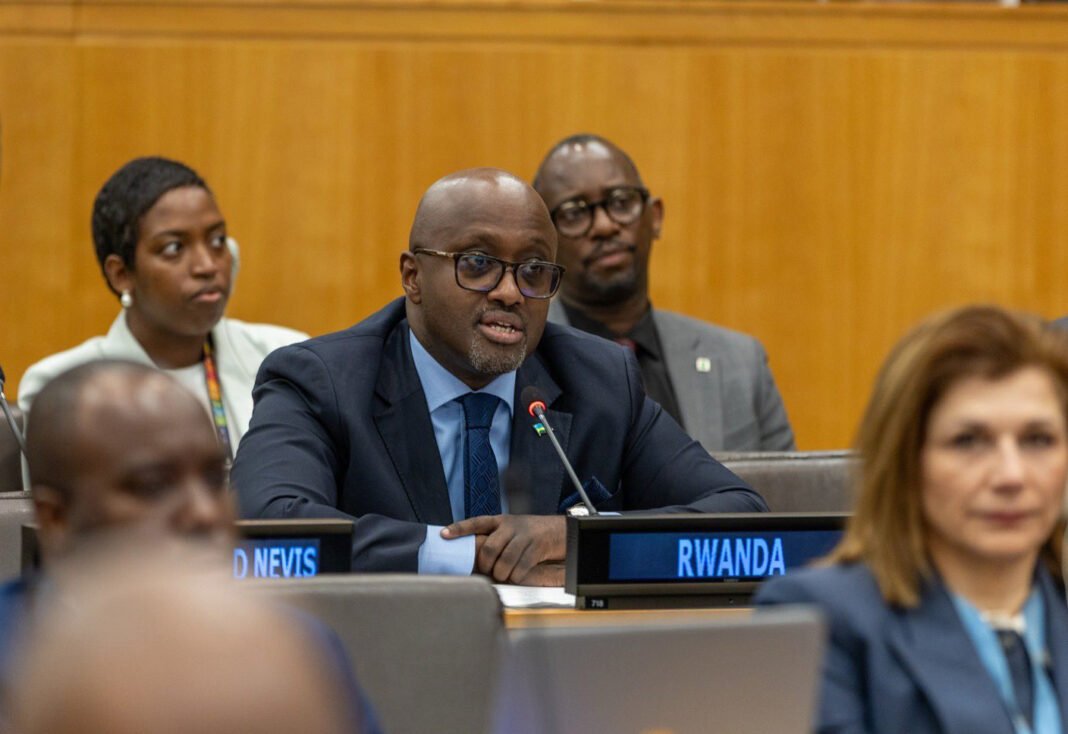
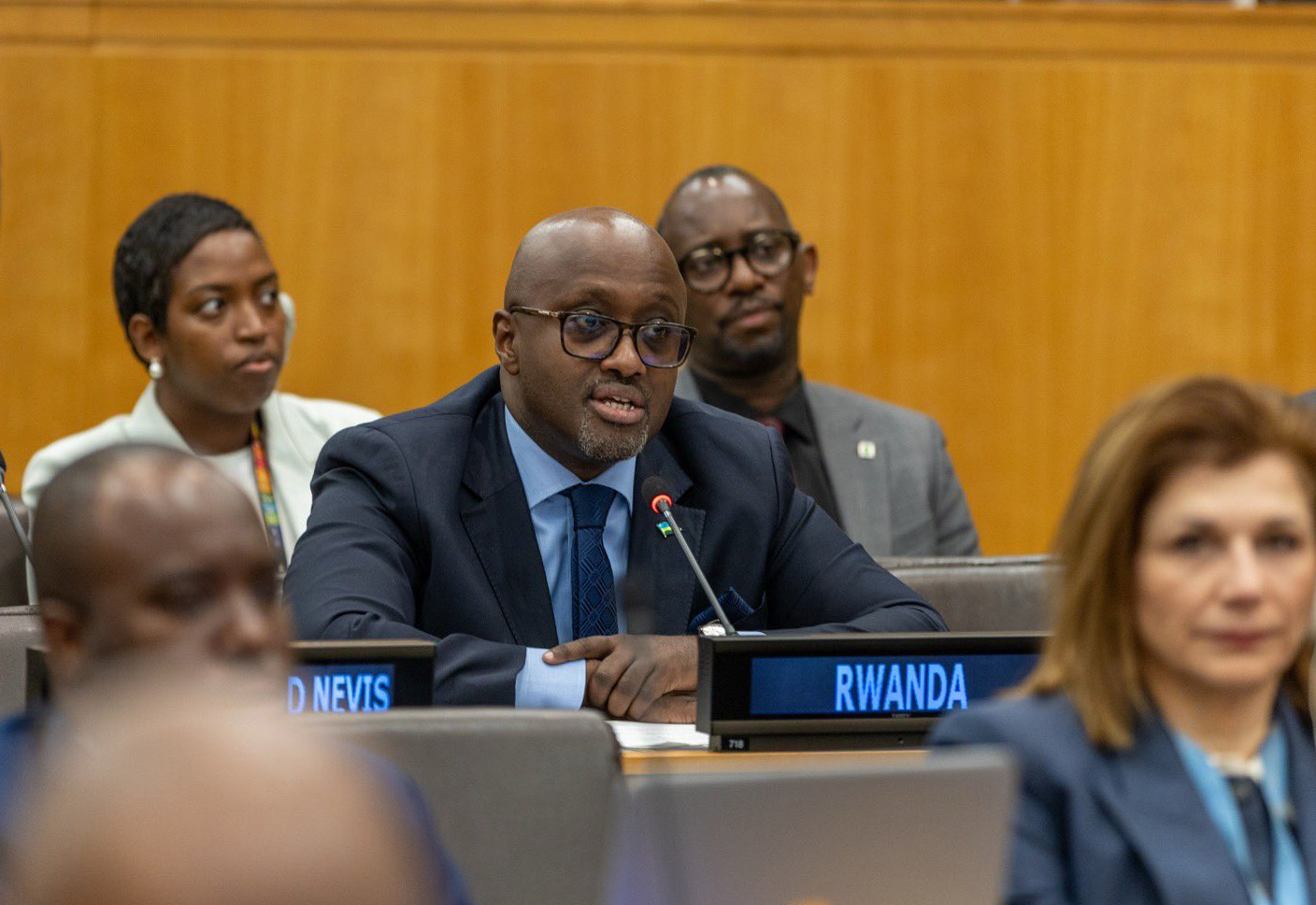
Details in a press release show that Rwanda assumed the chairmanship of the Group of 77 (G77) for 2027 following the 50th Annual Meeting of Ministers for Foreign Affairs, held during the 81st Session of the United Nations General Assembly (UNGA81) in New York. This marks a shift in the Group’s leadership, a development that matters because the G77 represents the interests of developing countries across the globe, and its priorities will now be shaped by Kigali. The statement does not address the composition or voting power of the G77, but the move reflects a continuing, albeit slow, trend of African nations asserting greater influence within multilateral forums.
Background
The G77, formally known as the Group of Developing Countries, was established in 1964 with the objective of promoting economic and technical cooperation among developing countries. The annual meetings of its ministers for foreign affairs provide a key venue for the Group’s members to coordinate their positions on global issues. The 50th anniversary of this meeting underscores the G77’s longevity, a testament to the persistent challenges faced by developing nations. The statement does not mention specific agreements or prior meetings that led to Rwanda’s selection, but it contextualizes the appointment within the broader framework of the UNGA81, a significant gathering of nations focused on a range of international issues. The release also notes that Rwanda signed multiple agreements with Armenia, Uruguay, Nepal, Ukraine, Cyprus and Togo on the same day, suggesting a concerted diplomatic effort by the government.
Analysis
Rwanda’s assumption of the G77 chairmanship presents both opportunities and potential limitations. The statement reaffirms Rwanda’s commitment to working collectively with its members, reflecting a prioritization of unity and shared interests. The Group’s core mission – advancing the priorities of developing countries – remains unchanged, yet the G77’s influence within the United Nations system is frequently constrained by the power of the permanent five members of the Security Council. This appointment suggests an attempt to reassert the G77’s role as a voice for the Global South, particularly as the statement emphasizes coordination and transparency. However, the G77’s effectiveness hinges on the willingness of its 134 members to present a united front, a dynamic often complicated by divergent national interests and geopolitical alignments. The fact that Rwanda is actively engaging in bilateral agreements with numerous nations – Armenia, Uruguay, Nepal, Ukraine, Cyprus and Togo – further signals a focus on pragmatic, state-to-state cooperation, rather than solely on multilateral advocacy. The statement does not address the potential impact of this shift on the Group’s agenda or its ability to influence key international negotiations.
Implications
Rwanda’s leadership of the G77 carries implications for regional stability and global trade dynamics. The Group’s agenda – typically centered on issues like climate change, debt relief, and trade – will likely be shaped by Rwanda’s priorities, potentially shifting the focus of global discussions. Should the visit yield further discussions on sustainable development goals, it could influence international efforts to address poverty and inequality. The appointment also has implications for trade relations, as the G77 seeks to promote fairer trade practices and reduce the influence of developed nations. The statement does not address the geopolitical implications of this shift, but a country like Rwanda, with its own development challenges and ambitions, could leverage its position to advocate for reforms within global institutions.
Outlook
If Rwanda’s leadership is successful in fostering greater coordination among its members, it could enhance the G77’s negotiating power within the UN system. Should the Group manage to secure greater representation on key committees and working groups, it would signal a significant step forward. However, if the inherent divisions within the G77 persist, Rwanda’s efforts may be limited. The statement does not offer a specific timeline for Rwanda’s chairmanship, but the 2027 timeframe provides an opportunity for the country to shape the Group’s agenda and build consensus around key priorities.